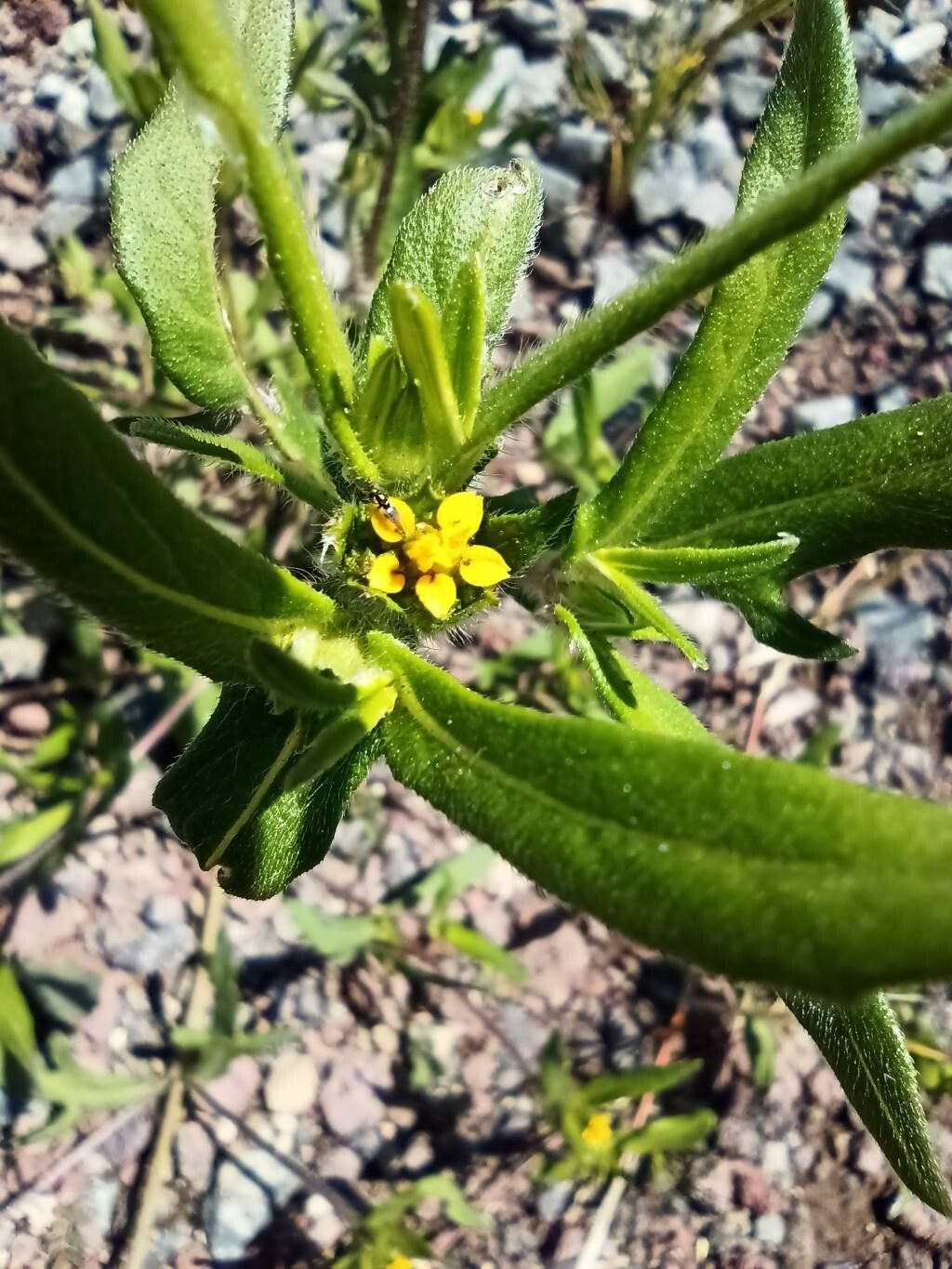
Well hello there, fellow garden enthusiasts! It’s so good to be sharing some plant wisdom with you today. I’ve been getting my hands dirty for about two decades now, and let me tell you, there’s a special kind of joy that comes from coaxing new life from an existing plant. Today, we’re going to talk about a perennial that I absolutely adore for its sunny disposition and incredible ease of care: Melampodium sericeum.
The Sunny Charm of Melampodium Sericeum
If you’re looking for a plant that just bursts with cheerful, daisy-like yellow flowers all season long, then you, my friend, need Melampodium sericeum in your life. It’s a stunner, truly! And the best part? It’s remarkably easy to propagate, which means you can fill your garden beds, your containers, and even share these little bursts of sunshine with your friends. For beginners? Absolutely, this is a fantastic plant to start your propagation journey with. You’ll feel like a pro in no time!
When is the Perfect Time to Get Rooting?
For Melampodium sericeum, your best bet is to start propagating in late spring or early summer. This is when the plant is actively growing and has plenty of young, vigorous stems to work with. You’re essentially tapping into its peak energy, which gives your cuttings the best chance of success. Think of it as catching them at their most enthusiastic!
Gather Your Gardening Arsenal
Before we dive in, let’s make sure you have everything you need. It’s always better to be prepared!
- Sharp Pruning Shears or a Knife: Clean cuts are crucial for healthy propagation.
- Rooting Hormone (Optional but Recommended): This really gives your cuttings a boost. Look for a powder or gel specifically for stem cuttings.
- Potting Mix: A light, well-draining mix is key. I like a blend of peat moss, perlite, and a bit of compost. You can also buy a commercial seed-starting or propagation mix.
- Small Pots or Trays: Clean containers with drainage holes are essential.
- Watering Can or Spray Bottle: For gentle watering.
- Plastic Bag or Humidity Dome: To create a mini-greenhouse effect.
- Labels and a Marker: You’ll want to know what you planted and when!
Let’s Get Propagating: Stem Cuttings
This is hands down the easiest and most effective way to multiply your Melampodium sericeum.
- Select Your Cuttings: On a healthy, non-flowering stem, look for a piece that’s about 4-6 inches long. You want a stem that’s showing signs of new growth but isn’t woody.
- Make the Cut: Using your clean pruning shears or knife, make a clean cut just below a leaf node (where a leaf attaches to the stem). This is where roots are most likely to form.
- Prepare the Cutting: Gently remove the lower leaves from the bottom 2-3 inches of the stem. You want to expose the nodes, as this is where rooting will occur. If the cutting has any flower buds, pinch them off. We want the plant’s energy to go into root development, not flowering.
- Dip in Rooting Hormone (If Using): Lightly dip the cut end of the stem into your rooting hormone, tapping off any excess.
- Plant Your Cuttings: Fill your small pots or trays with your moistened potting mix. Make a small hole with your finger or a pencil in the center of each pot. Carefully insert the cut end of the Melampodium stem into the hole. Gently firm the soil around the stem to ensure good contact.
- Water Gently: Water the soil thoroughly but gently. You want it moist, not soggy. A spray bottle can be helpful here to avoid disturbing the cuttings.
- Create a Humid Environment: Cover the pots with a plastic bag or a humidity dome. This is vital for preventing the cuttings from drying out. Make sure the leaves aren’t touching the plastic if possible.
My “Secret Sauce” for Success
Now, here are a few little tricks I’ve picked up over the years that can really make a difference:
- Bottom Heat is Your Friend: If you have them, placing your pots on a gentle heat mat can significantly speed up rooting. It mimics the warmth of spring soil and gives those roots a cozy place to start exploring.
- Don’t Let Those Leaves Drown! One of the biggest mistakes I see beginners make is letting the leaves of their cuttings sit directly in water if they’re trying water propagation (which isn’t my top choice for Melampodium from cuttings, but some do try it). For stem cuttings, if you’re misting, ensure the leaves have a chance to dry slightly between mistings. Too much moisture on the foliage can lead to fungal issues.
- Patience and Observation are Key: Melampodium sericeum is usually pretty quick to root, but sometimes it takes a bit longer. Resist the urge to pull them out and check for roots too early! Keep an eye on the leaves – if they remain firm and green, things are likely progressing well.
Aftercare and What to Watch For
Once you start to see new growth, or if you gently tug and feel resistance (indicating roots), it’s time to gradually introduce your new plants to the outside world.
- Acclimatize Slowly: If you’ve used a plastic bag or dome, start by opening it a little each day for a few days to let the humidity level decrease gradually. This prevents shock.
- Watering: Continue to keep the soil consistently moist but not waterlogged. As the plant grows, you can ease up on the frequency, but never let it completely dry out.
- Potting Up: Once your new Melampodium has a good root system and is showing healthy top growth, it’s time to pot it up into a slightly larger container with fresh potting mix.
- Troubleshooting: The most common issue you might encounter is rot, usually caused by overwatering or poor drainage. If you see mushy stems or leaves turning black and wilting, it’s likely rot. Unfortunately, there’s often not much you can do once it sets in, so good drainage and careful watering are your best defenses. Another sign of failure is if the cuttings simply shrivel up and die – this could be due to lack of humidity or insufficient rooting hormone.
Happy Rooting!
There you have it! Propagating Melampodium sericeum is a wonderfully rewarding way to expand your garden. Be patient with the process, trust your instincts (and maybe tuck away those “secret sauce” tips!), and enjoy watching those little sunshine plants develop. Happy gardening, and don’t hesitate to experiment – that’s where the real fun lies!
Resource:
https://identify.plantnet.org/k-world-flora/species/Melampodium%20sericeum%20Lag./data