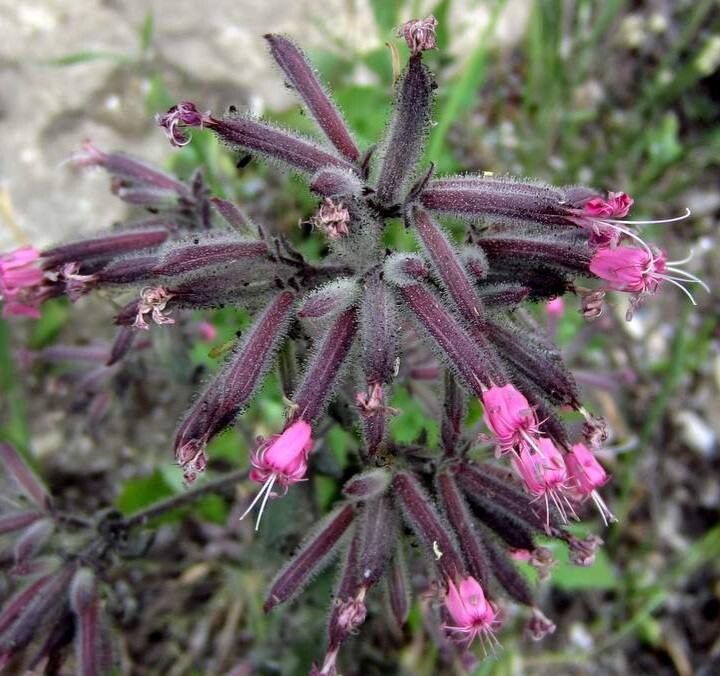
Hey there, fellow garden enthusiasts! Today, we’re diving into the wonderful world of Saponaria glutinosa. If you’re looking for a plant that brings a lovely splash of color and a touch of wild charm to your garden, this soapwort is a real winner. Its delicate, often pink or white flowers are like little explosions of joy, and the way it sprawls beautifully makes it perfect for softening edges or letting cascade over a wall. Propagating it is incredibly rewarding, giving you more of those cheerful blooms to share or simply expand your own green kingdom. And good news for beginners: Saponaria glutinosa is generally quite forgiving, making it a great plant to start your propagation journey with!
The Best Time to Start
For the highest success rate with Saponaria glutinosa, I find the late spring to early summer is absolutely prime time. This is when the plant is actively growing and has plenty of energy to put into developing new roots. You’ll want to look for new, non-flowering shoots that are still a bit soft and flexible – these are much easier to root than woody old stems.
Supplies You’ll Need
Here’s what I like to have on hand when I’m preparing to propagate:
- Sterile potting mix: A good blend of peat moss, perlite, and a bit of compost works beautifully. I often mix my own, aiming for something that drains well but still holds some moisture.
- Sharp pruning shears or a clean knife: Precision is key for clean cuts that heal better.
- Rooting hormone (optional but helpful): A powder or gel can give your cuttings a nice boost.
- Small pots or trays: Anything that can hold your cuttings and allow for good drainage. Clean yogurt cups with drainage holes poked in the bottom are a perfectly acceptable DIY option!
- Watering can with a fine rose: Gentle watering is crucial.
- Plastic bags or a propagator: To create a humid environment for your cuttings.
- Labeling stakes: Never underestimate the power of marking your pots!
Propagation Methods
Saponaria glutinosa is quite amenable to a couple of common propagation techniques. I usually lean towards stem cuttings because they’re straightforward and yield great results.
Stem Cuttings
- Take your cuttings: On a nice, bright morning (after the dew has dried), select healthy, non-flowering stems. Using your clean shears, make a cut just below a leaf node (where a leaf grows from the stem). Each cutting should be about 3-4 inches long.
- Prepare the cuttings: Gently remove the lower leaves from your cuttings, leaving just a couple at the very top. This prevents them from rotting once they’re in the potting mix. If you’re using rooting hormone, dip the cut end into it now, tapping off any excess.
- Plant the cuttings: Fill your small pots or trays with your sterile potting mix. Make a small hole in the center using your finger or a pencil. Insert the cut end of your Saponaria glutinosa cutting into the hole, making sure the leaf nodes are buried, as this is where roots will emerge. Gently firm the soil around the base of the cutting.
- Water gently: Water your newly planted cuttings thoroughly but gently. You want the soil to be moist, not waterlogged.
- Create a humid environment: Cover the pots with a clear plastic bag or place them in a propagator. This traps humidity, which is vital for cuttings to form roots before they dry out. Make sure the leaves aren’t pressing against the plastic.
Division (For Established Plants)
If you have a larger, well-established clump of Saponaria glutinosa, dividing it is another easy way to get more plants.
- Dig up the clump: In early spring or fall, carefully dig up the entire plant.
- Separate into divisions: Gently shake off excess soil and then separate the root ball into smaller sections. Each division should have a good amount of roots and at least a couple of healthy shoots. You can usually tease them apart by hand, but sometimes a clean spade or knife is needed.
- Replant immediately: Plant the divisions into their new spots in the garden or into pots, watering them in well.
The “Secret Sauce” (Pro Tips)
Here are a couple of things I’ve learned over the years that really help boost my success with Saponaria glutinosa:
- Don’t let the leaves touch the water (if water propagating): While some plants are happy in a glass of water, I find Saponaria glutinosa cuttings are more prone to rot this way. If you do try water propagation, ensure only the stem is submerged, not the leaves.
- Bottom heat is your friend: If you can, placing your pots on a heat mat designed for propagation can significantly speed up the rooting process. It mimics the warmth of spring soil and encourages those roots to get going much faster.
- Air circulation is key: While we want humidity, don’t keep those plastic bags sealed tight all the time. I like to lift the bag for a few minutes each day to allow for some air exchange. This helps prevent fungal issues.
Aftercare & Troubleshooting
Once your Saponaria glutinosa cuttings have been in their pots for a few weeks, you can gently tug on them. If you feel resistance, it means roots have formed! You’ll also start to see signs of new growth at the top.
At this point, you can gradually remove the plastic cover over a few days to acclimate them to less humid conditions. Continue to keep the soil consistently moist but not soggy. Once they have a decent root system and are showing good growth, you can transplant them into larger pots, using a good quality potting mix.
The most common issue you might encounter is rot. This usually happens if the cuttings are kept too wet or don’t have enough air circulation. If you see the stem turning mushy or black, sadly, that cutting is likely lost. Remove any affected cuttings immediately to prevent the problem from spreading. Another sign of failure is if the cuttings simply shrivel up and die – this is often due to poor rooting or drying out too quickly.
A Encouraging Closing
Propagating Saponaria glutinosa is a delightful way to multiply your garden’s beauty. Don’t be discouraged if every single cutting doesn’t make it; that’s just part of the process! Be patient, observe your little plants, and enjoy the magic of watching them grow. Happy propagating, and may your gardens be filled with even more of this gorgeous soapwort!
Resource:
https://identify.plantnet.org/k-world-flora/species/Saponaria%20glutinosa%20M.Bieb./data