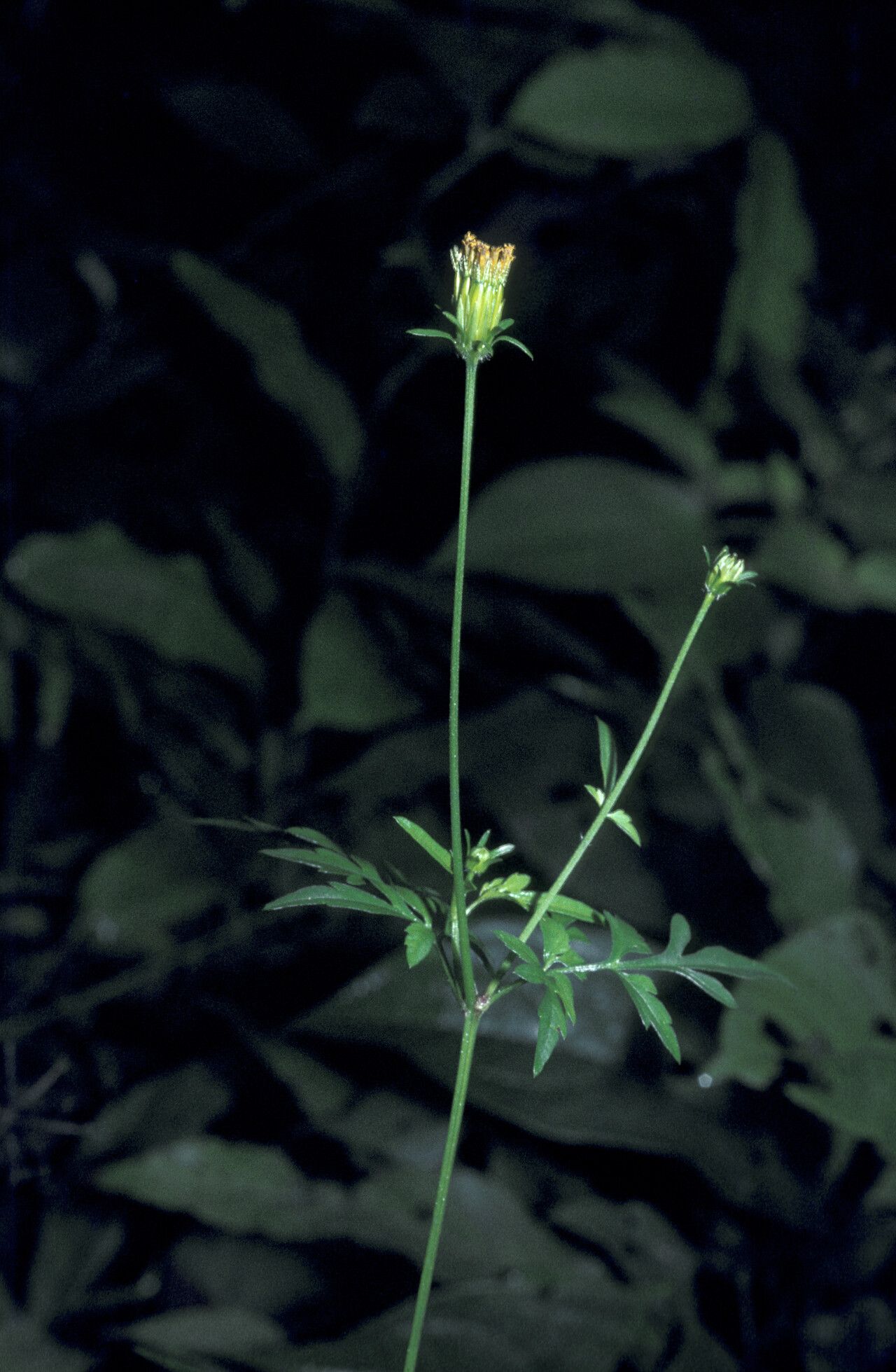
Oh, Bidens cynapiifolia! Isn’t it just a delight? Those delicate, daisy-like flowers, often with a cheerful yellow eye, have a way of brightening up any garden corner. They dance in the breeze and attract all sorts of beneficial pollinators. And the best part? You can easily share that joy by propagating your own!
For those of you just dipping your toes into the wonderful world of plant propagation, I can tell you that Bidens cynapiifolia is a wonderfully beginner-friendly plant to start with. You’ll likely find the process quite rewarding and not at all daunting.
The Best Time to Start
Hands down, the prime time to take cuttings is late spring to early summer, when the plant is in active growth. You want to work with young, healthy stems that haven’t started to flower or get woody. Think of it as harvesting the prime of its youth!
Supplies You’ll Need
Gathering your tools beforehand makes the whole process smoother. Here’s what I always have on hand:
- Sharp pruning shears or a clean knife: For making clean cuts.
- Seedling or propagation mix: Something light and airy. I often use a 50/50 mix of perlite and peat moss or coco coir.
- Small pots or seedling trays: With drainage holes, of course!
- Rooting hormone (optional, but helpful): A powder or gel to give your cuttings a little boost.
- A watering can with a fine rose or spray bottle: For gentle watering.
- Clear plastic bags or a propagator: To create a humid environment.
Propagation Methods
For Bidens cynapiifolia, stem cuttings are my absolute favorite method. It’s quick, effective, and you get plenty of new plants from a mature specimen.
Stem Cuttings:
- Select Healthy Stems: Find a young, vigorous stem that’s about 4-6 inches long. Look for one that’s actively growing but not yet flowering.
- Make the Cut: Using your sharp shears or knife, make a clean cut just below a leaf node. A leaf node is that little bump where a leaf attaches to the stem. This is where new roots will want to spring from.
- Prepare the Cutting: Gently remove the lower leaves from the bottom 2-3 inches of the stem. You can leave the top few leaves intact – they’ll provide energy for rooting. If the leaves are very large, you can even cut them in half horizontally to reduce water loss.
- Apply Rooting Hormone (if using): Dip the cut end of the stem into your rooting hormone, tapping off any excess.
- Insert into Medium: Gently press the cut end into your prepared propagation mix, making sure the medium is firm around the stem. Don’t push it too hard; you don’t want to damage the node.
- Water Gently: Water the mix thoroughly but gently. You want the soil to be moist, not soggy.
- Create Humidity: Cover the pot loosely with a clear plastic bag or place it in a small propagator. This helps keep the humidity high around your cuttings, which is crucial for preventing them from drying out. You can prop the bag up with a few chopsticks so it doesn’t touch the leaves.
- Place in Bright, Indirect Light: Find a warm spot that gets plenty of bright, indirect light. Avoid direct sun, as it can scorch those tender new cuttings.
The “Secret Sauce” (Pro Tips)
Here are a few little tricks that have saved many a propagation attempt for me:
- Don’t let the lower leaves touch the water (if you do water propagation). If you opt for water propagation (which also works well for Bidens!), make sure the water level is just high enough to cover the cut end, and ideally, the remaining leaves are well above the water line. Any submerged leaves will rot and can contaminate the water, dooming your efforts.
- Bottom Heat is Your Friend: If you have a heated propagator or can place your pots on a heat mat, this is a game-changer. A little warmth from below signals to the cutting that it’s time to get rooting. It really speeds things up and increases success rates, especially if your house isn’t naturally warm.
- Patience is Key!: I know, I know, it’s not a physical supply, but it’s arguably the most important. Some plants take weeks to root. Don’t be tempted to tug on your cuttings to check for roots – you’ll just pull them out! You’ll see new growth as a sign that they’ve taken.
Aftercare & Troubleshooting
Once you see new growth developing – a tiny leaf unfurling or a shoot pushing upwards – that’s your signal that roots have formed!
- Acclimatize Slowly: Gradually introduce your new plant to lower humidity. Start by opening the plastic bag for a few hours each day, then take it off completely for longer periods over a week or so.
- Watering: Water when the top inch of soil feels dry. Again, avoid waterlogging. Young plants have delicate root systems.
- Transplanting: Once your new Bidens has a good root system and looks sturdy, you can transplant it into a slightly larger pot with regular potting soil.
Now, for the not-so-fun part: troubleshooting. The most common issue you’ll encounter is rot. If a cutting turns mushy, black, or falls over immediately, it’s likely rotted. This is often due to too much moisture, poor drainage, or lack of air circulation. If you see a bit of wilting, it could be that the cutting is simply drying out. Ensure that humidity is maintained and the soil is consistently moist.
A Little Encouragement
So there you have it! Propagating Bidens cynapiifolia is a simple, rewarding endeavor. Be patient, observe your cuttings, and celebrate those first signs of new life. Before you know it, you’ll have a whole collection of these sunny beauties to share with friends or just to fill your own garden with joy. Happy growing!
Resource:
https://identify.plantnet.org/k-world-flora/species/Bidens%20cynapiifolia%20Kunth/data