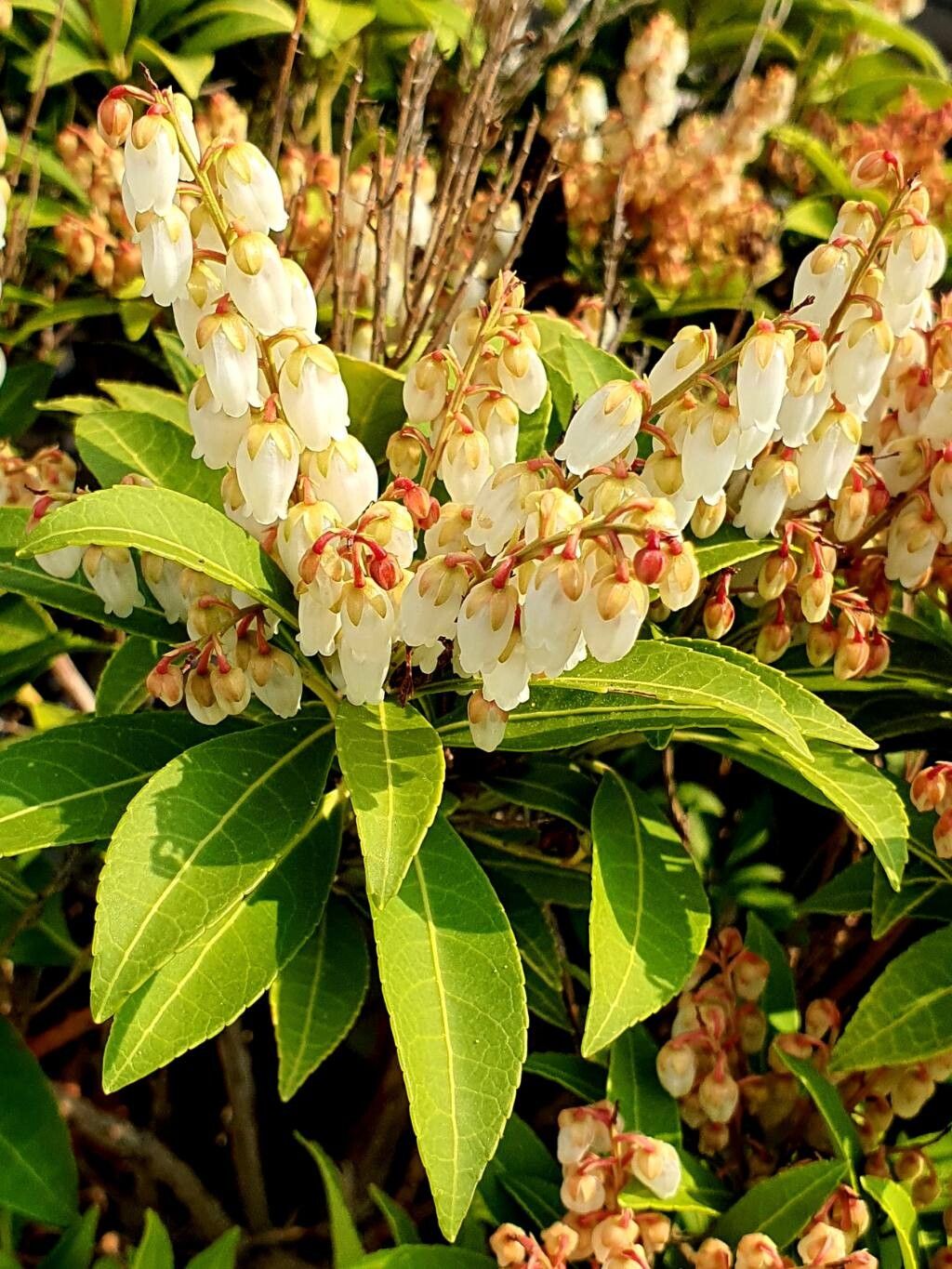
Oh, my dear garden friends! If you’ve ever fallen for the delicate, cascading beauty of Pieris japonica, often called Lily-of-the-Valley Shrub, you know exactly what I mean. Its glossy evergreen leaves and those darling little bell-shaped flowers, usually in shades of white or pink, are simply captivating. And the best part? You can multiply that charm for your own garden or to share with fellow plant lovers!
Now, I know some of you might be wondering if this is a challenging endeavor. Honestly, propagating Pieris can be a little bit of a wait, and it’s not always as quick as, say, a petunia. But with a touch of patience and the right approach, it’s absolutely achievable, even for those of you just starting out with your green thumb! The joy of nurturing a tiny cutting into a healthy new shrub is incredibly rewarding, trust me.
The Best Time to Start
For the highest success rate with Pieris japonica, I always lean towards taking stem cuttings in early summer. Think late May or June, just as the current season’s growth has started to mature a bit, but before it gets too woody. This new growth has enough vigor to root, but it’s not so soft that it will easily rot.
Supplies You’ll Need
Here’s what you’ll want to have on hand before you get started:
- Sharp, clean pruning shears or a razor blade: Cleanliness is crucial to prevent disease.
- Rooting hormone (powder or gel): This is a game-changer for encouraging root development.
- A well-draining potting mix: I love a blend of peat moss or coco coir, perlite, and a bit of compost. You can also buy specialized seedling mixes.
- Small pots or propagation trays: Ensure they have drainage holes.
- A plastic bag or propagation dome: To create a humid environment.
- Gravel or small stones (optional, for water propagation): To keep cuttings upright.
Propagation Methods
Let’s dive into the methods that tend to work best for my beloved Pieris:
Stem Cuttings
This is my go-to method for a good reason.
- Select your stems. Look for healthy, semi-hardwood cuttings. These are stems that are green and flexible at the tip but are starting to firm up towards the base. Aim for pieces about 4-6 inches long.
- Prepare the cuttings. Carefully remove the leaves from the bottom half of each cutting. This is important; any leaves below the soil line will just rot. You can leave 2-3 leaves at the top. If the remaining leaves are very large, I like to cut them in half horizontally to reduce water loss through transpiration.
- Apply rooting hormone. Dip the cut end of each prepared cutting into your rooting hormone, tapping off any excess.
- Plant them up. Stick the hormone-coated ends about 1-2 inches deep into your prepared potting mix in your pots. Gently firm the soil around the cutting.
- Create humidity. Water the soil thoroughly until it drains from the bottom. Then, cover the pots with a plastic bag or propagation dome. This will trap moisture and create that humid microclimate the cuttings crave. Make sure the leaves aren’t touching the plastic if possible.
- Find a good spot. Place the pots in a bright location out of direct sunlight. A warm spot is also beneficial.
Water Propagation
While not as common for woody plants like Pieris, some gardeners have success with this method, especially with younger, more succulent growth.
- Take cuttings as described above. Again, aim for 4-6 inch lengths.
- Remove lower leaves. Make sure no leaves will be submerged in the water.
- Place in water. Put the cuttings in a clean jar or vase filled with fresh water. You can add a few small stones or gravel to the bottom of the jar to help keep the cuttings upright.
- Change water regularly. It’s crucial to change the water every 2-3 days to keep it fresh and prevent bacterial growth.
- Location, location, location. Place the jar in a bright spot away from direct sun.
The “Secret Sauce” (Pro Tips)
Here are a couple of things I’ve learned over the years that can really give you an edge:
- Bottom Heat is Your Friend! If you have a bit more gear, using a heating mat under your propagation trays can dramatically speed up root formation. It mimics the warmth of spring soil and really encourages those roots to get going.
- Don’t Rush Potting Up. When you’re doing stem cuttings, don’t be tempted to pull them out too soon to check for roots. Wait until you feel a gentle tug when you very carefully try to move them, or until you see new leaf growth emerging. This indicates roots have formed and are anchoring the cutting.
Aftercare & Troubleshooting
Once you see those first signs of new growth or feel that gentle tug from your stem cuttings, it’s time to adjust your care.
- Fading the Humidity: Gradually introduce your new rooted cuttings to normal air by opening the plastic bag or dome a little each day for a week. This hardens them off.
- Potting On: Once they are well-rooted, you can transplant them into slightly larger pots with a good quality potting mix. Continue to keep them out of harsh sun.
- Signs of Trouble: The most common issue you’ll encounter is rot. If your cuttings look mushy, blackened, or simply won’t root and are wilting excessively, it’s usually a sign of too much moisture and not enough air circulation, or a lack of sterile conditions. If you see rot, it’s often best to discard the affected cutting and try again, perhaps with a slightly drier mix or better drainage.
A Encouraging Closing
Gardening is a journey of patience, my friends. Propagating Pieris japonica is no different. There might be a bit of trial and error, and that’s perfectly okay. Celebrate every success, learn from every setback, and most importantly, enjoy the quiet satisfaction of nurturing new life. Happy propagating!
Resource: