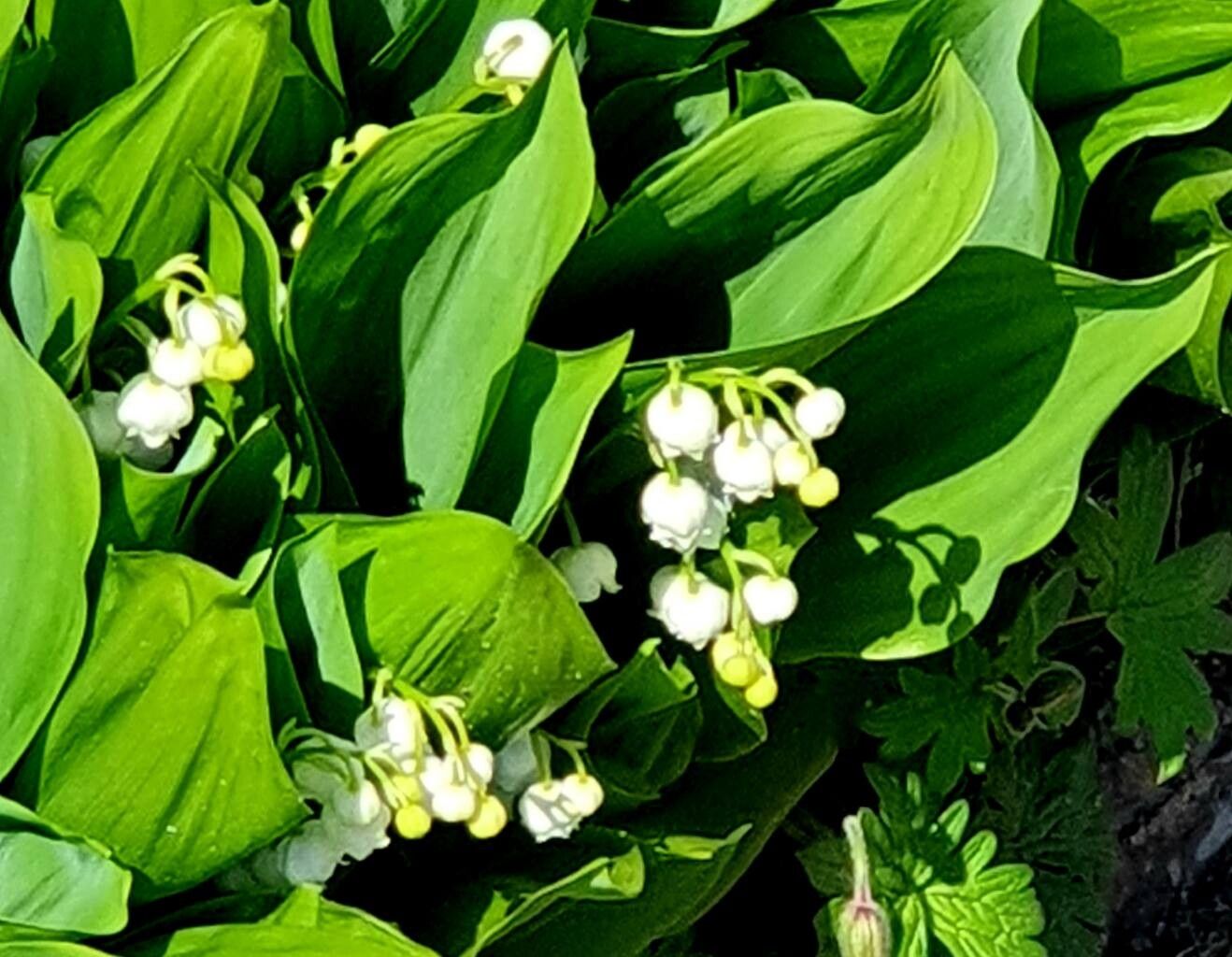
Hello there, fellow plant enthusiasts! If you’ve ever been captivated by the delicate, bell-shaped flowers and sweet, intoxicating fragrance of Lily of the Valley ( Convallaria majalis), you know it’s a true gem. These charming woodlanders bring such a touch of magic to the garden, and I find that having more of them is always a good thing. Propagating them yourself is a wonderfully rewarding endeavor, and I’m thrilled to share how you can do it. Don’t be intimidated; while it requires a little patience, Lily of the Valley is surprisingly forgiving once you know a few tricks.
The Best Time to Start
For Lily of the Valley, the absolute best time to get your hands dirty is during dormancy. This means late fall, after the foliage has died back, or very early spring, before the new growth really starts to surge upwards. The plant is conserving its energy, making it less stressed and more receptive to being divided or transplanted.
Supplies You’ll Need
Here’s a little toolkit to make your propagation journey smooth sailing:
- Sharp pruning shears or a clean, sharp knife: For making neat divisions.
- Garden trowel: To gently loosen soil.
- Peat moss or compost: To enrich your soil mix.
- Potting soil: A good quality, well-draining potting mix.
- Sand: To improve drainage (optional, but helpful).
- Small pots or containers: For your new divisions.
- Watering can with a fine rose: For gentle watering.
- Labels and a marker: To keep track of your new plantings.
Propagation Methods
Lily of the Valley primarily propagates through a method called division. This is essentially taking advantage of the plant’s natural spreading habit, which happens via underground stems called rhizomes.
- Locate the Rhizomes: Gently dig around the base of a healthy, established Lily of the Valley plant. You’ll see fleshy, white or pale pink underground stems – these are your rhizomes. They often have small buds or “eyes” along them.
- Careful Excavation: Continue to loosen the soil around the rhizomes, trying not to damage them. You want to lift the entire clump out of the ground with as many of the rhizomes intact as possible.
- Identify Natural Breaks: Once the clump is out, you can carefully brush off some of the excess soil. Look for natural points where the rhizomes are thinner or have a clear division.
- Make the Division: Using your sharp pruning shears or knife, carefully cut the rhizome into smaller sections. Each section should have at least one visible bud or “eye” and a decent piece of the rhizome itself. Don’t be afraid to make clean cuts; ragged edges can invite disease.
- Inspect and Trim: Remove any damaged or mushy sections of the rhizome. Also, trim away any dead or dying leaves from the top of the division.
- Planting: In a prepared pot or directly in a new garden spot, plant your divisions about 1-2 inches deep, making sure the bud or eye is facing upwards. If planting in pots, use a well-draining potting mix lightened with peat moss or compost.
The “Secret Sauce” (Pro Tips)
Now for a couple of things I’ve learned over the years that make a real difference:
- If your rhizomes look a bit dry or papery, don’t panic. You can soak them in a bowl of plain water for about an hour before planting. Just make sure you don’t leave them waterlogged overnight.
- When you replant your divisions, whether in pots or the ground, water them in thoroughly to settle the soil. Then, keep the soil consistently moist but not soggy as they establish. They are woodland plants, so they appreciate a bit of humidity.
Aftercare & Troubleshooting
Once your divisions are planted, treat them gently. Keep the soil consistently moist – this is key to helping them establish new roots. In a few weeks, you should start to see new shoots emerging, a wonderful sign of success!
The most common sign of trouble is rot. If you notice sections of your rhizome turning black and mushy, it’s usually a sign of too much moisture and poor drainage. If this happens, gently dig up the affected pieces, remove the rot with a clean knife, and replant in fresh, well-draining soil. If it’s widespread, you might have to start over with healthier divisions and ensure better soil conditions.
A Little Encouragement
Bringing more Lily of the Valley into your garden is a delightful journey. Be patient with your new divisions; it might take a season for them to really show their full glory, but the effort is so worth it. Happy propagating, and enjoy the sweet rewards!
Resource:
https://identify.plantnet.org/k-world-flora/species/Convallaria%20majalis%20L./data