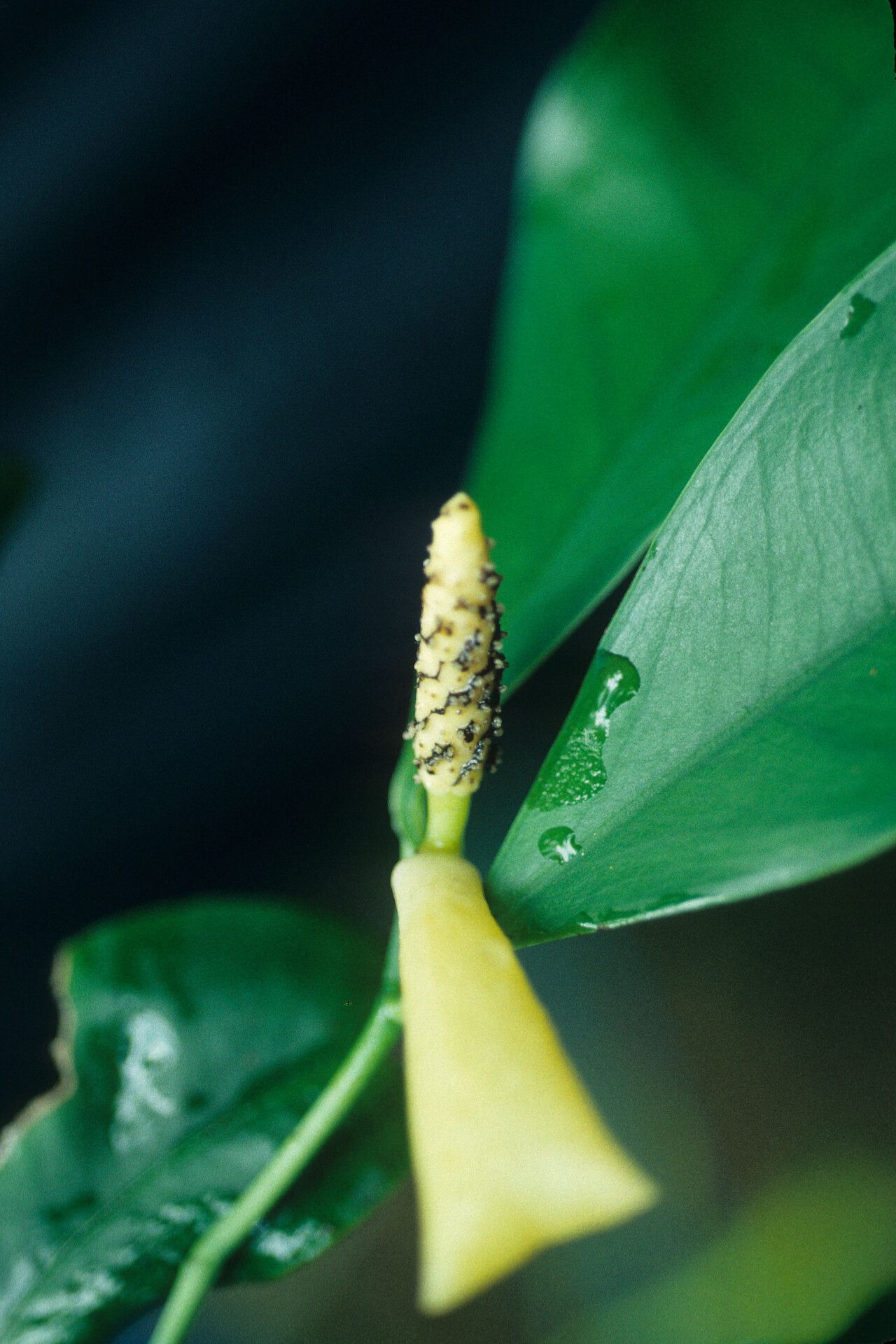
Oh, hello there! Come on in, grab a mug of something warm. I’m so glad you’re curious about Rhodospatha venosa. This plant, with its beautifully patterned leaves and elegant, upright growth, is a true gem for any indoor jungle. And the best part? It’s surprisingly easy to share its beauty. Propagating Rhodospatha venosa is a wonderfully rewarding process, a chance to multiply your green treasures and even share them with fellow plant lovers. Don’t worry if you’re new to this; it’s a forgiving plant, making it a great starting point for budding propagators.
The Best Time to Start
For the absolute best success with Rhodospatha venosa, I always recommend aiming for the late spring through early summer. This is when the plant is actively growing and has plenty of energy to put into developing new roots. You’ll want to take cuttings from healthy, mature stems that feel firm and are showing new leaf growth. Avoid taking cuttings from sad, weak stems or during the plant’s resting period in winter.
Supplies You’ll Need
To get our little Rhodospatha off to a good start, here’s what you’ll want to have on hand:
- Sharp Pruning Shears or a Clean Knife: For making clean cuts.
- Potting Mix: A well-draining mix is crucial. I like to use a blend of peat moss or coco coir, perlite, and a bit of orchid bark. This ensures good aeration and prevents waterlogging, which is the enemy of new roots.
- Small Pots or Containers: Clean pots with drainage holes are essential.
- Rooting Hormone (Optional but Recommended): This helps speed up the process and increases the chances of successful rooting. Look for one with auxin.
- Clear Plastic Bag or Dome (Optional): To create a humid microclimate.
- Watering Can or Spray Bottle: For gentle watering.
Propagation Methods
Rhodospatha venosa is wonderfully cooperative when it comes to propagation, primarily through stem cuttings. This is my go-to method for this plant.
Stem Cuttings:
- Select Your Cutting: Look for a healthy stem on your mature Rhodospatha. You’re aiming for a section that has at least two or three leaf nodes. Nodes are those little bumps on the stem where leaves emerge. You can often see them even before the leaves fully unfurl.
- Make the Cut: Using your clean shears or knife, make a clean cut just below a leaf node. This is where the magic happens – the roots will emerge from this area. If you’re taking a longer cutting, you can even cut it into smaller sections, ensuring each piece has at least one node.
- Prepare the Cutting: Gently remove the lower leaves from the cutting, leaving just one or two healthy leaves at the top. This prevents the submerged leaves from rotting in the soil or water.
- Apply Rooting Hormone (Optional): If you’re using rooting hormone, dip the cut end of the stem into the powder or gel. Tap off any excess.
- Plant Your Cuttings: Fill your small pots with your well-draining potting mix. Make a small hole in the center with your finger or a pencil. Insert the cut end of the Rhodospatha cutting into the hole, making sure the node(s) are below the soil surface. Gently firm the soil around the stem.
Water Propagation (My Second Choice for Rhodospatha):
While I prefer soil for Rhodospatha, water propagation can also work.
- Follow Steps 1-3 above.
- Place in Water: Instead of planting in soil, place the prepared cutting in a jar or glass filled with clean water. Make sure that at least one leaf node is submerged, but no leaves are touching the water.
- Change Water Regularly: Change the water every few days to keep it fresh and prevent bacteria buildup.
The “Secret Sauce” (Pro Tips)
Now, for a few little tricks I’ve learned over the years that make a big difference.
- Don’t Overcrowd Your Pots: When planting multiple cuttings in one pot, give them a little space. This helps with air circulation, which is super important for preventing rot before roots even form.
- Bottom Heat is Your Friend: Rhodospatha cuttings love a little warmth from below. Placing your pots on a heat mat specifically designed for seedlings can dramatically speed up root development. It mimics the cozy, warm soil of their natural habitat.
- Be Patient with Leaf Drop: Sometimes, a cutting might drop a lower leaf or two. Don’t panic! This is often the plant conserving energy. Just make sure the remaining leaves are healthy and the stem looks good.
Aftercare & Troubleshooting
Once your cuttings are planted and settled, the real nurturing begins.
- Maintain Moisture: Keep the soil consistently moist but not soggy. Think of it like a wrung-out sponge. A light misting from your spray bottle can be helpful, especially if you’re not using a humidity dome.
- Provide Bright, Indirect Light: Place your newly potted cuttings in a spot that gets bright, indirect light. No direct sun – it’s too harsh for these tender young plants.
- Watch for Roots! The first sign of success is usually new leaf growth. You might also feel a gentle tug when you lightly pull on the stem. With time, you’ll see substantial new growth.
- Troubleshooting – The Dreaded Rot: If your cutting starts to look mushy, black, or smells off, it’s likely rot. This is usually caused by overwatering or poor drainage. Unfortunately, a rotted cutting can’t be saved. For soil propagation, ensure your mix is airy. For water propagation, make sure you’re changing the water regularly and that no leaves are submerged.
A Gentle Encouraging Closing
The journey of propagation is a beautiful dance with nature. It asks for a bit of patience, some keen observation, and a whole lot of love. Don’t get discouraged if a cutting doesn’t take. Every plant is different, and every attempt is a learning experience. Keep trying, keep observing, and before you know it, you’ll have a whole troop of Rhodospatha venosa to admire and share. Happy propagating!
Resource:
https://identify.plantnet.org/k-world-flora/species/Rhodospatha%20venosa%20Gleason/data