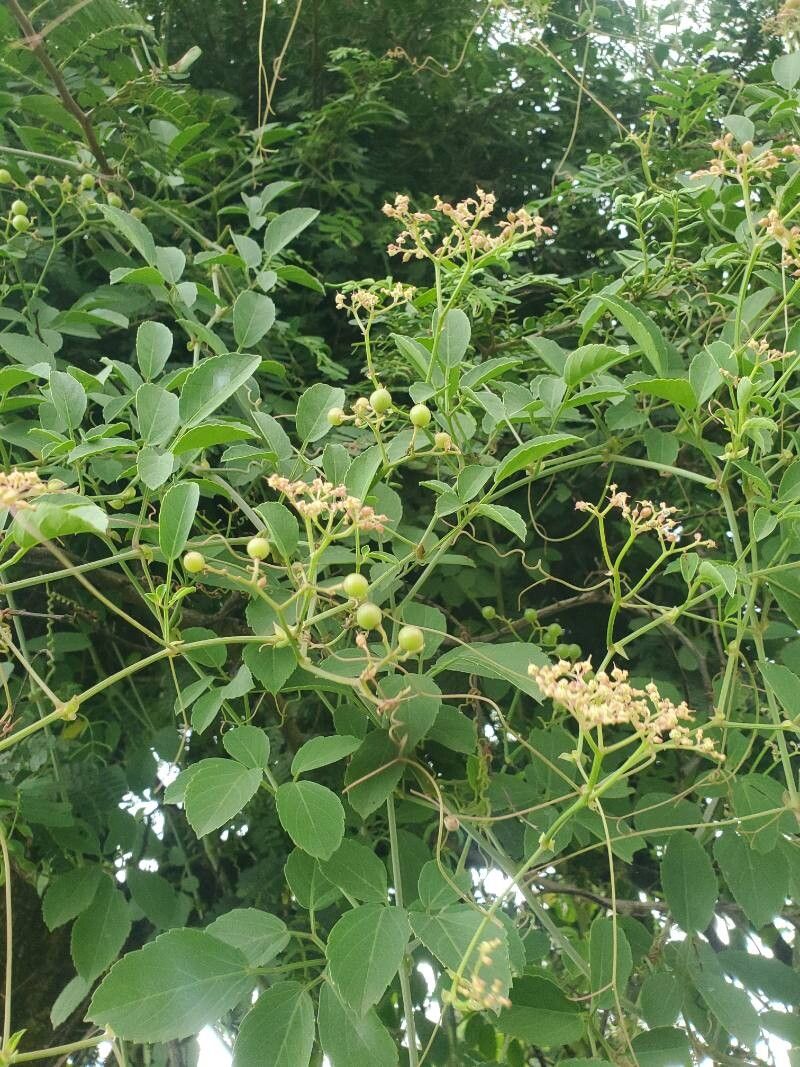
Oh, hello there! Come on in, pull up a chair. I’ve got a fresh pot of coffee brewing, and I’m just buzzing to chat about Cyphostemma adenocaule. Have you seen this beauty? It’s such a fascinating plant, with those swollen, caudiciform stems that look like little sculpted masterpieces. And the leaves! They’re often a lovely silvery-green, delicate and truly unique. Propagating it feels like unlocking a little bit of its magic. Now, for beginners, I’d say it’s a moderately rewarding challenge. It’s not as foolproof as, say, a pothos, but with a little attention, you’ll be celebrating success.
The Best Time to Start
When it comes to Cyphostemma, late spring or early summer is your golden window. This is when the plant is actively growing and has plenty of energy to put into forming new roots. You want to start with healthy, vibrant stems that show signs of vigorous growth. Avoid attempting propagation during the plant’s dormant phase; it just won’t have the oomph it needs.
Supplies You’ll Need
Gathering your supplies beforehand makes the whole process so much smoother. Here’s what you’ll want on hand:
- Sharp, clean pruning shears or a sharp knife: Crucial for making clean cuts to prevent disease.
- Well-draining potting mix: I like a blend of equal parts perlite, coarse sand, and a good quality potting soil. If you have access to pumice, even better!
- Rooting hormone (optional but recommended): This can give your cuttings a significant boost. Look for one that’s suitable for stem cuttings.
- Small pots or trays: Ensure they have drainage holes.
- Clean water: For misting and watering.
- A small trowel or dibber: For making holes in the soil.
- A plastic bag or propagation dome: To create a humid environment.
Propagation Methods: Let’s Get Our Hands Dirty!
Cyphostemma adenocaule can be a bit finicky, but I find stem cuttings to be the most reliable method.
- Select Your Cuttings: Gently examine your mature plant. Look for healthy, non-flowering stems that are at least 4-6 inches long. Using your sharp pruning shears or knife, make a clean cut just below a leaf node. A leaf node is where a leaf attaches to the stem; this is where new roots are most likely to form.
- Prepare the Cuttings: Once you have your cuttings, remove the lower leaves, leaving just a couple at the top. This helps prevent them from rotting in the soil. If you’re using rooting hormone, lightly dip the cut end into the powder, tapping off any excess.
- Planting the Cuttings: Fill your small pots with your well-draining potting mix. Use your dibber or trowel to create a hole in the center of the soil. Carefully insert the cut end of the stem cutting into the hole, ensuring it’s deep enough to be stable – usually about an inch or two. Gently firm the soil around the base of the cutting.
- Creating Humidity: Now, this is where we give them a greenhouse hug. Lightly water the soil until it’s evenly moist but not soggy. Take a plastic bag or your propagation dome and cover the pot, creating a mini-greenhouse. This is vital for keeping the humidity high, which cuttings desperately need.
The “Secret Sauce” (Pro Tips)
Over the years, I’ve learned a few little tricks that seem to make all the difference.
- Let them callus! Before you even dip your cuttings in rooting hormone or plant them, let them sit out in a dry, airy spot for a day or two. This allows the cut end to form a dry callus, which helps prevent rot and encourages root formation. It sounds counterintuitive, but trust me on this one.
- Bottom heat is your friend! If you can, place your pots on a gentle heating mat. This warmth from below mimics ideal growing conditions and really speeds up root development. Just a bit of warmth can make a world of difference.
Aftercare & Troubleshooting
Once your cuttings are potted, place them in a bright spot with indirect light. Avoid direct sun, which can scorch those tender new stems. Misting the leaves every few days will help maintain humidity within the bag, but be careful not to overwater the soil. If you see condensation building up heavily inside the bag, open it up for a few hours to allow for some air circulation and prevent fungal issues.
You’re looking for signs of new growth – tiny leaves unfurling or a bit of upward movement in the stem. This usually happens within 4-8 weeks. Once you see good root development (you might see roots emerging from the drainage holes), you can gradually acclimate your new plant to less humid conditions by opening the bag a little more each day.
The most common sign of failure is rot. If your cutting turns mushy or black and falls apart, it’s usually due to too much moisture or a lack of air circulation. If this happens, don’t be discouraged! Just start again with fresh cuttings and perhaps adjust your watering or humidity levels.
A Little Encouragement
Propagating Cyphostemma adenocaule is a journey, and like all good gardening endeavors, it requires a dash of patience and a whole lot of hope. Don’t be afraid to experiment a little. Each cutting is a chance to learn and grow a magnificent new plant. Enjoy the process, and I can’t wait to hear about your successes! Happy gardening!
Resource: