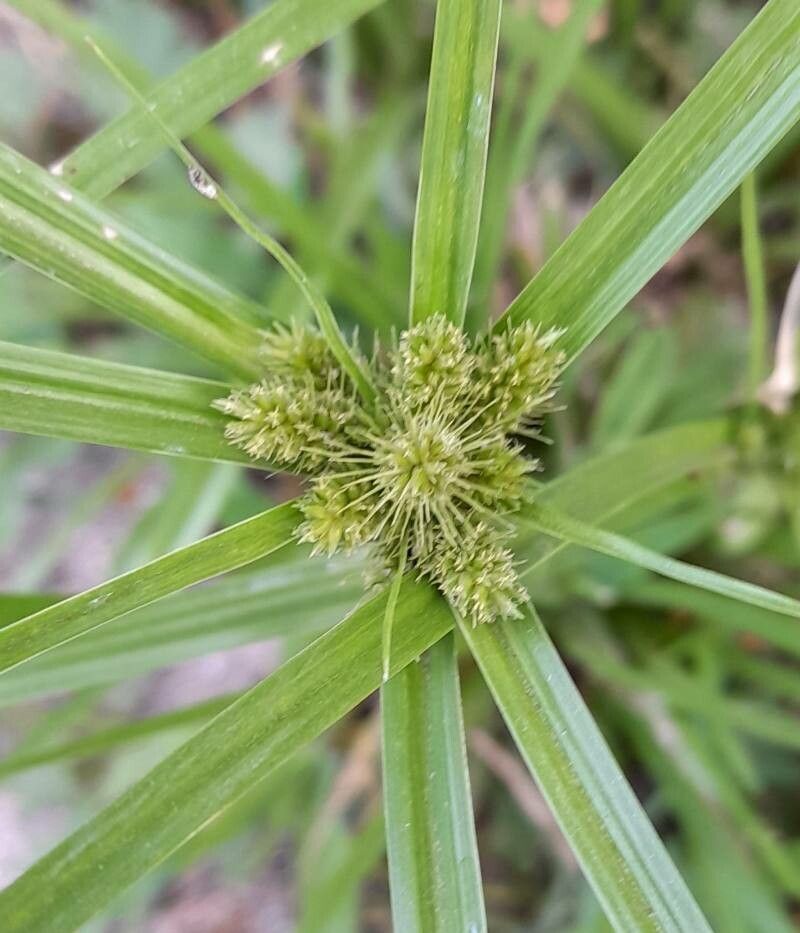
Hello there, fellow plant lovers! I’m so excited to chat with you today about a plant that, in my opinion, deserves a permanent spot in every sunny corner: Cyperus aggregatus. You might know it by a few common names, but I always think of it as that wonderfully fluffy, grass-like beauty that just dances in the breeze. It’s got this fantastic texture, and when it’s happy, it really brings a lively, tropical feel to any space.
Now, if you’ve been admiring these beauties and thinking about trying your hand at making more of them, you’re in for a treat. Propagating Cyperus aggregatus is surprisingly rewarding, and I’m happy to report it’s a pretty beginner-friendly endeavor. You don’t need a fancy greenhouse or a magic wand, just a little patience and a few key steps.
The Best Time to Start
When it comes to getting new Cyperus aggregatus babies going, spring and early summer are your golden ticket. This is when the plant is actively growing and has the most energy to put into developing new roots. Starting during this vibrant period gives your cuttings or divisions the longest growing season ahead of them to establish themselves. You can sneak in propagation in late summer, but you’ll want to be extra vigilant about conditions for the developing roots.
Supplies You’ll Need
Gathering your tools beforehand makes the whole process so much smoother. Here’s what I like to have on hand:
- Sharp pruning shears or a clean knife: For making clean cuts.
- Potting mix: A well-draining mix is crucial. I often use a blend of seed-starting mix and perlite, about a 2:1 ratio. This ensures good aeration and prevents waterlogging.
- Small pots or containers: For your new propagations. Clean yogurt cups with drainage holes poked in the bottom work in a pinch!
- Rooting hormone (optional but helpful): A little dab can speed things up.
- Clear plastic bags or humidity domes: To create a mini-greenhouse effect.
- Watering can with a fine rose or spray bottle: For gentle watering.
- Labels and a marker: To keep track of what you’ve propagated and when.
Propagation Methods
Cyperus aggregatus is quite adaptable, and a couple of methods work beautifully for this plant.
1. Division: The Easiest Route
This is where Cyperus aggregatus really shines for beginners. It’s like giving your plant a haircut and getting free babies in return!
- Gently remove the plant from its pot. Inspect the root ball.
- Look for distinct sections. You’ll often see natural breaks where the plant is pushing outwards.
- Use your hands or clean pruning shears to separate these sections. Aim for divisions that have a good clump of roots and at least a few shoots (the leafy green bits).
- Pot each division into its own container with your well-draining potting mix.
- Water thoroughly to settle the soil around the roots.
2. Stem Cuttings (or Pups): A Bit More Involved, Still Very Doable
Cyperus aggregatus often produces little side shoots, or “pups,” that can be coaxed into becoming new plants.
- Identify a healthy pup. Look for one that has developed its own roots at the base.
- Carefully detach the pup from the mother plant. You can often do this with your fingers if it’s loose enough. If it’s a bit stubborn, use clean pruning shears or a knife to make a clean cut, ensuring you get some roots attached.
- Remove any lower leaves that might sit below the soil line.
- Dip the cut end into rooting hormone (if using).
- Plant the pup in a pot filled with your prepared potting mix. The base of the pup should be nestled into the soil.
- Water gently.
The “Secret Sauce” (Pro Tips)
Here are a few little tricks I’ve learned over the years that can really boost your success rates:
- Don’t overcrowd the pot. When dividing, give each new section enough space to breathe and grow. Cramming too many in can lead to competition for resources and increased risk of rot.
- Mimic high humidity. After planting your divisions or cuttings, lightly mist them and cover the pot with a clear plastic bag or a humidity dome. This creates a humid environment that encourages root development and prevents the foliage from drying out before roots can form. Make sure the leaves aren’t sitting in water though – that’s a recipe for fungal trouble!
- Bottom heat is your friend. If you’re propagating in a cooler part of the house, placing your pots on a gentle seedling heat mat can significantly speed up root formation. It’s like giving those developing roots a cozy warm bed to grow in. Just make sure the heat is consistent and not too intense.
Aftercare & Troubleshooting
Once your Cyperus aggregatus has settled in and you start seeing signs of new growth (which usually means new leaves unfurling!), you’re well on your way!
- Gradually acclimate new plants. Once roots are established, you can slowly remove the plastic bag or humidity dome over a few days. This helps them adjust to normal household humidity.
- Water consistently. Keep the soil evenly moist but not waterlogged. Overwatering is the most common pitfall.
- Provide bright, indirect light. They love light, but direct, scorching sun can be too much for young, vulnerable plants.
Now, what if things go wrong? Rot is the biggest enemy of newly propagated plants. You’ll see signs of this if the stems turn mushy and brown, or if the entire cutting wilts and dies instead of showing signs of rooting. If you suspect rot, remove the affected plant immediately to prevent it from spreading. Often, this is due to too much moisture and not enough air circulation. You might need to adjust your watering schedule or ensure your potting mix is draining well.
But don’t get discouraged if you have a few failures! Gardening is a journey of learning, and even the most seasoned among us lose a plant or two now and then.
So, grab your shears, pick out a healthy Cyperus aggregatus, and get propagating! There’s a unique satisfaction in watching a tiny cutting or division grow into a full, lush plant. It’s a bit like magic, really. Enjoy the process, and happy gardening!
Resource:
https://identify.plantnet.org/k-world-flora/species/Cyperus%20aggregatus%20(Willd.)%20Endl./data