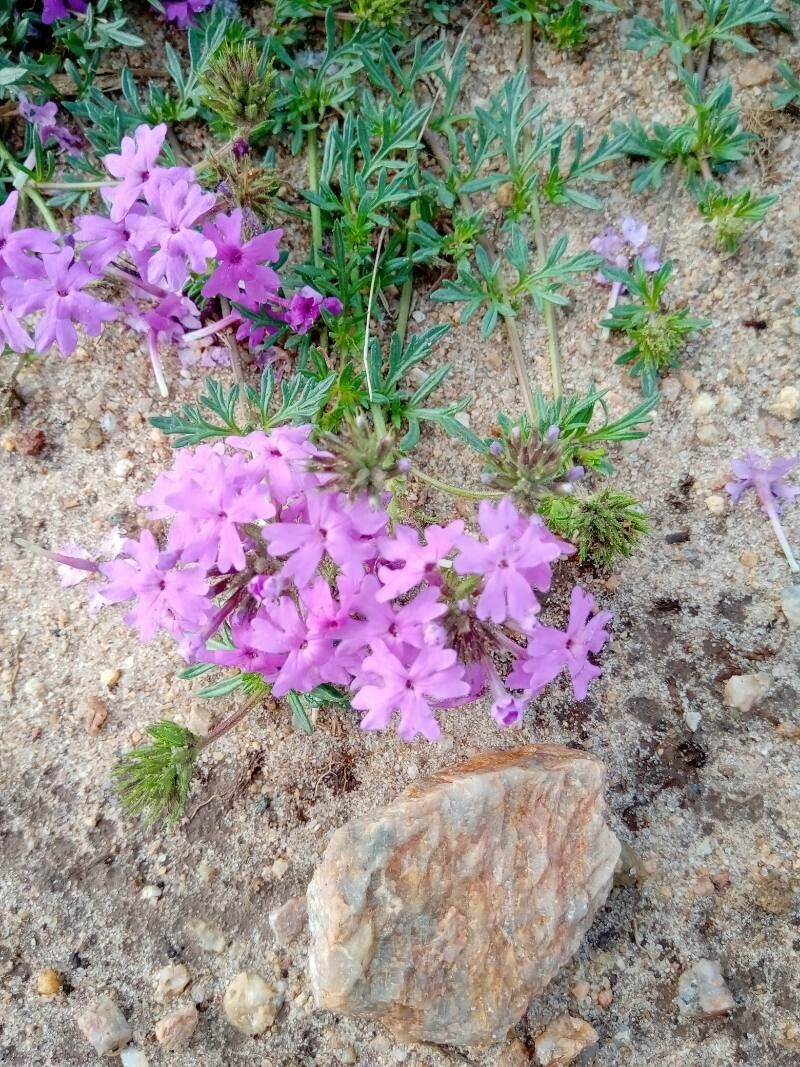
Oh, hello there! Pull up a chair and let’s chat about one of my absolute favorites, Verbena dissecta. If you’ve ever seen those delicate, lacy leaves and bursts of gorgeous color cascading from a pot or spilling over a garden bed, you know exactly what I mean. It’s a plant that just begs to be shared, and honestly, propagating it yourself is one of the most satisfying gardening joys I know. And guess what? While some plants can be a bit fussy, Verbena dissecta is a rather friendly companion when it comes to making more of it. Even if you’re just dipping your toes into the world of propagation, you’ve picked a winner here.
The Best Time to Start
For the highest success rate with Verbena dissecta, I find late spring to early summer is your sweet spot. You want the plant to be actively growing, but not stressed by extreme heat. Think of it as capturing that vibrant energy. Spring growth is often the most vigorous, giving your cuttings a real head start.
Supplies You’ll Need
Here’s what I like to have on hand for a smooth propagation session:
- Sharp pruning shears or a clean knife: For taking clean cuts.
- Rooting hormone (optional but recommended): A little boost never hurts! Look for one formulated for stem cuttings.
- Well-draining potting mix: A good start is a 50/50 mix of perlite and peat moss, or a dedicated seed-starting mix.
- Small pots or trays: Clean containers are essential to prevent diseases.
- Plastic bags or a propagator: To create a humid environment.
- Watering can with a fine rose: For gentle watering.
Propagation Methods
Verbena dissecta is quite obliging, and stem cuttings are my go-to method.
1. Taking Stem Cuttings:
First, locate some healthy, non-flowering stems on your mature Verbena dissecta. You’re looking for stems that have a bit of give but aren’t too soft or woody.
Gently make a clean cut using your sharp shears or knife, about 3-4 inches long. Aim to take this cutting just below a leaf node – that little bump where a leaf emerges from the stem.
Next, remove the lower leaves, leaving only a couple of pairs at the top. This prevents them from rotting when buried in soil.
Now, here’s where you can give your cutting a little extra encouragement. Dip the cut end into your rooting hormone, tapping off any excess.
Prepare your small pots with the well-draining potting mix. Make a small hole in the center of the soil with your finger or a pencil.
Carefully insert the cut end of your verbena cutting into the hole, gently firming the soil around it. Give it a good, but gentle, watering to settle the soil.
To create a humid microclimate, cover the pot with a plastic bag or place it in a propagator. You can prop the bag up with a few skewers so it doesn’t touch the leaves. Place the pots in a bright spot, but out of direct, harsh sunlight.
2. Water Propagation (Another Option):
If you don’t have rooting hormone or prefer a simpler approach, water propagation can work too! After taking your cuttings (steps 1-3 above), simply place the stems in a jar or glass of clean water. Ensure no leaves are submerged; they will rot quickly. Change the water every few days to keep it fresh. Once you see little white roots emerging, you can then carefully plant them in your well-draining potting mix.
The “Secret Sauce” (Pro Tips)
Here are a couple of things I’ve learned over the years that really make a difference:
- Bottom Heat is Your Friend: If you have a heat mat designed for seedlings, placing your pots on it can significantly speed up root development. Verbena dissecta loves a bit of warmth from below.
- Don’t Drench, Mist! Once your cuttings are in the soil and covered, resist the urge to water them heavily. Instead, lightly mist the leaves and soil surface every day or two to maintain humidity. Overwatering is the quickest way to invite rot.
- “Cleanliness is Next to Greenness”: Always sterilize your tools before and after use. A quick wipe with rubbing alcohol can prevent the spread of any nasty fungal or bacterial diseases from one plant to another.
Aftercare & Troubleshooting
Once you start seeing tiny roots poking out of the drainage holes (this can take anywhere from 2-6 weeks, so be patient!), it’s time to move them into slightly larger pots, or even into your garden if the weather is suitable. Continue to water them regularly but allow the soil to dry slightly between waterings. They appreciate good drainage, so don’t let them sit in soggy conditions.
The most common sign of trouble is rot, which usually looks like a black, mushy stem at the soil line. This is almost always due to overwatering or poor drainage. If you see this, unfortunately, that cutting is likely lost. It’s a good reminder to always err on the side of slightly drier soil. Another sign is wilting that doesn’t perk up, which could also point to root issues or lack of moisture.
A Gentle Encouragement
So there you have it! Propagating Verbena dissecta is a wonderfully rewarding way to expand your collection and share the beauty of this plant. Remember to be patient, observe your cuttings closely, and don’t be discouraged if a few don’t make it. Each attempt is a learning experience, and the satisfaction of watching a new life emerge from a simple stem is truly unparalleled. Happy propagating!
Resource:
https://identify.plantnet.org/k-world-flora/species/Verbena%20dissecta%20Willd.%20ex%20Spreng./data