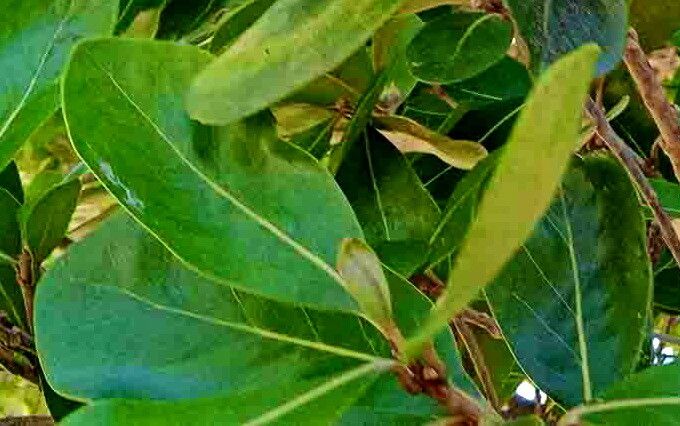
Hello lovely plant friends! It’s so wonderful to have you here in my little corner of the garden. Today, we’re diving into the fascinating world of propagating Planchonella cinerea. If you’re anything like me, you’ve probably admired these beauties, maybe for their unique foliage, their graceful habit, or perhaps the promise of a future flowering display. Having your own little Planchonella babies sprouting is such a deeply satisfying feeling. It’s a way to spread the joy of these plants and even share them with fellow garden enthusiasts. Now, if you’re new to this, I’ll be honest – Planchonella cinerea can be a bit of a diva when it comes to propagation. It’s not the “stick it in water and watch it grow” kind of plant for beginners. But with a little care and attention, and by following these steps, I’m confident you’ll have success!
The Best Time to Start
For the highest chance of success with your Planchonella cinerea, I always aim for late spring or early summer. This is when the plant is actively growing, bursting with energy. You’re essentially tapping into that vigorous life force. Look for stems that are semi-hardwood – not completely brand new and floppy, but not woody and old either. A good test is if a stem bends without snapping cleanly. That’s usually your sweet spot.
Supplies You’ll Need
Gathering your tools before you start is half the battle won, right? Here’s what I recommend having on hand:
- Sharp, clean pruning shears or a sharp knife: This is crucial for clean cuts that heal better.
- Rooting hormone: A good quality powder or gel will significantly boost your success rate.
- Potting mix: A light, well-draining blend is key. I often use a mix of equal parts perlite, peat moss, and a bit of coarse sand. A commercial cactus or succulent mix can also work well.
- Small pots or seed trays: Clean ones, of course!
- Clear plastic bags or a propagation dome: This will help maintain humidity.
- Watering can with a fine spray: Gentleness is key when watering delicate cuttings.
- Optional: Heat mat: This can be a game-changer for keeping things cozy and encouraging root development.
Propagation Methods: Stem Cuttings
This is my go-to method for Planchonella cinerea. It’s reliable when done correctly.
- Take Your Cuttings: On a nice day in late spring or early summer, select a healthy, vigorous stem. Using your clean pruning shears or knife, make a cut just below a leaf node. Each cutting should be about 4-6 inches long and have at least two to three sets of leaves.
- Prepare the Cuttings: Gently remove the lower leaves from the cutting. This prevents them from sitting in the soil or water and rotting. You can leave a couple of leaves at the top to help with photosynthesis.
- Apply Rooting Hormone: Dip the cut end of the stem into your rooting hormone. Tap off any excess. This step is really important for encouraging root formation.
- Potting Up: Fill your small pots with your prepared potting mix. Make a pilot hole with your finger or a pencil, deep enough to accommodate the cut end of the stem.
- Plant the Cuttings: Gently insert the prepared cutting into the hole. Firm the soil around the base of the cutting so it stands upright and has good contact with the soil.
- Water Gently: Use your fine spray watering can to lightly moisten the soil. You want it damp, not soggy.
- Create a Humid Environment: This is where the magic happens! Cover the pots with a clear plastic bag or place them under a propagation dome. If using a bag, you can use stakes to keep it from touching the leaves. This creates a mini-greenhouse, trapping essential moisture around your cuttings.
The “Secret Sauce” (Pro Tips)
Here are a few things I’ve learned over the years that make a real difference:
- Don’t Let Leaves Touch the Water (if you were to try water propagation, which I don’t recommend for this plant, but the principle applies to humidity): This is critical for any cutting. If leaves are constantly wet, especially in stagnant water or overly damp soil, they’re prone to fungal infections and rot. Ensure good air circulation and prune away any leaves that might be dipping into excess moisture.
- Bottom Heat is a Game Changer: If you can, place your pots on a heat mat, especially overnight. This gentle warmth from below mimics the conditions of spring and summer soil, telling the plant, “Hey, it’s time to get rooted!” It significantly speeds up the process.
- Be Patient with Leaf Drop: It’s not uncommon for a few leaves to fall off your cuttings. Don’t panic! This is often the plant shedding what it can’t support as it focuses its energy on root development. As long as the stem looks healthy and isn’t mushy, keep up the care.
Aftercare & Troubleshooting
Once you start to see little roots appearing (you might gently tug on a cutting to feel resistance, or if you’ve used a clear pot, you might spot them through the sides), it’s time to adjust your care.
- Acclimatize Gradually: Slowly reduce the humidity over a week or two. Open the plastic bag a little more each day, or lift the propagation dome for longer periods. This helps the new plant adjust to normal room conditions.
- Continue Light Watering: Keep the soil consistently moist but not waterlogged. It’s better to water when the top inch of soil feels dry.
- Watch for Signs of Rot: The most common sign of failure is a mushy, black stem at the soil line. This usually indicates overwatering and poor drainage. If you see this, sadly, that cutting is likely lost. Remove it promptly to prevent it from affecting other cuttings. Another sign is a shriveled, crispy stem, which means it’s drying out too much. Ensure your humidity levels are adequate.
A Encouraging Closing
Propagating Planchonella cinerea might require a touch more patience, but the reward of nurturing a new life from just a stem is truly unparalleled. Don’t be discouraged if your first attempt isn’t perfect; gardening is a journey of learning. Keep experimenting, observe your plants, and most importantly, enjoy the process. There’s so much joy to be found in watching a tiny cutting transform into a thriving plant. Happy propagating!
Resource: