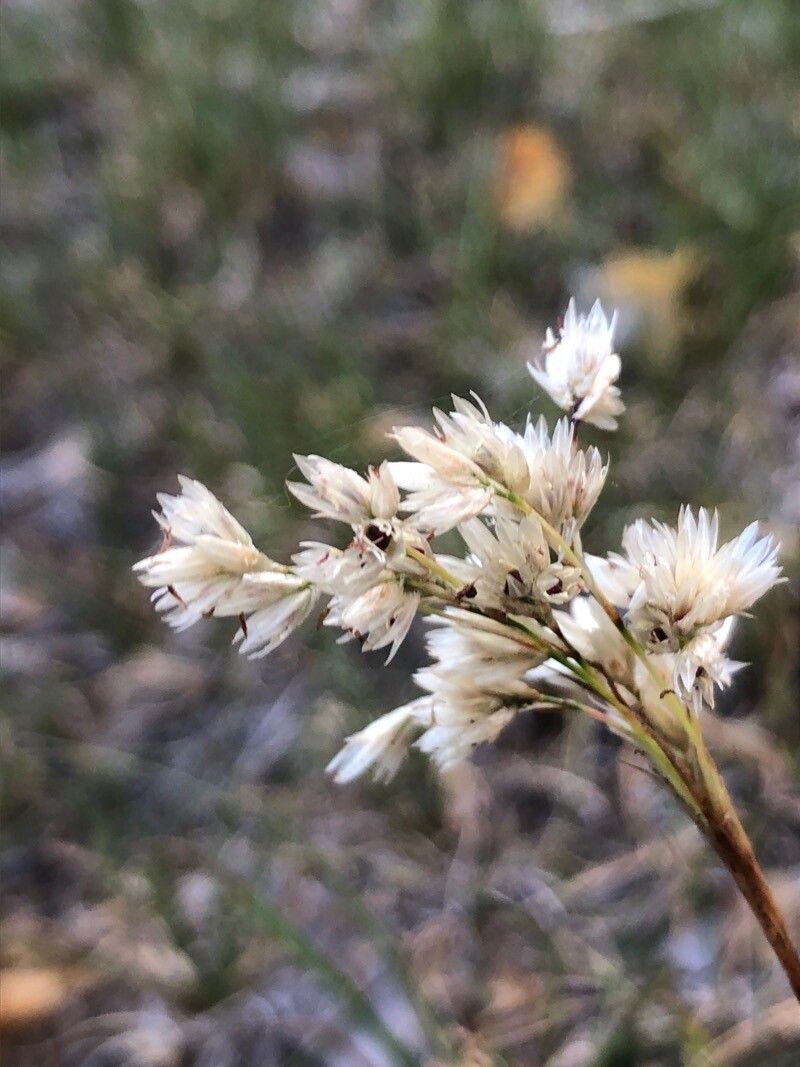
Oh, hello there! Come on in, pull up a chair. I’ve got that warm mug of chamomile ready for you. Today, we’re diving into the wonderfully architectural world of Luzula lactea, or as many of us affectionately call it, the White Woodrush.
Why You’ll Love White Woodrush (and Want More!)
There’s something magical about Luzula lactea. Its neat, grass-like foliage, often with a subtle white edge, brings a serene elegance to shady corners and woodland gardens. It’s not flashy, but it’s dependable, offering a quiet beauty that really grounds a planting scheme. And the best part? It’s surprisingly easy to multiply! If you’re just starting your plant propagation journey, this is a fantastic one to try. It’s very forgiving and gives you a real confidence boost.
The Perfect Moment to Get Started
The absolute best time to propagate Luzula lactea is in the spring, right as new growth is kicking off. Think of it as waking the plant up gently after its winter rest. You can also have success with division in the fall, but spring gives you the most vigorous starts.
Your Propagation Toolkit
Before we get our hands dirty, let’s gather our supplies. It’s always good to be prepared!
- Sharp pruning shears or a clean knife: For making clean cuts.
- A good quality potting mix: I like a blend that drains well, maybe with perlite added. Something like a 50/50 mix of all-purpose potting soil and perlite works wonders.
- Small pots or root-training pots: Whatever you have on hand will do.
- A watering can with a fine rose: For gentle watering.
- Optional: Rooting hormone powder: While Luzula lactea often roots readily without it, it can give things an extra nudge.
- Optional: A tray or watertight container: For creating a humid environment.
Let’s Get Propagating: Division is the Way
For Luzula lactea, the most straightforward and successful method is division. It’s like giving your plant a little haircut and getting several new plants from the one you already cherish.
- Gentle Excavation: Carefully dig up your existing Luzula lactea plant. You don’t need to yank it out! Gently loosen the soil around the edges and lift the whole clump.
- Shake it Out: Take the clump to a clean workspace (like a potting bench or a large tray). Gently shake away excess soil. You want to be able to see the root structure clearly.
- Find Your Divisions: Look for natural breaks in the root ball. You’ll see where the plant has grown outwards. You want to divide it into sections that have both roots and healthy shoots.
- The Gentle Pull (or Cut): With your hands, gently pull the clump apart at these natural divisions. If a division is a bit stubborn, don’t force it too hard. Grab your clean pruners or knife and make a clean cut to separate the sections. Aim for divisions that have at least a few shoots and a decent amount of root attached.
- Potting Up: Fill your small pots with your prepared potting mix. Make a little space in the center of the soil and place your new division in, spreading the roots out a bit.
- Cover and Water: Gently cover the roots with soil, firming it down lightly so the division is stable. Then, give it a good, gentle watering to settle the soil around the roots.
The “Secret Sauce” for Super Starts
I’ve learned a few tricks over the years that can make all the difference.
- Don’t Drown Them: After the initial watering, resist the urge to keep the soil constantly soaking wet. Woodrush prefers its soil moist but not waterlogged. Let the top inch of soil dry out slightly between waterings. Overwatering is the fastest way to a sad, rotted root system.
- Embrace the Shade: While Luzula lactea thrives in shade, its newly divided babies are even more sensitive. Keep them in a bright spot, but out of direct sunlight. A bright windowsill that doesn’t get harsh afternoon sun is perfect.
- A Mini Greenhouse Effect: If you’ve got a clear plastic bag or a cloche, pop it over your potted divisions. This creates a wonderfully humid environment that really encourages those roots to form quickly. Just be sure to open it for a few minutes each day to allow for air circulation and prevent any mold.
Aftercare and Bouncing Back
Once your divisions are potted up and settled, the main thing is patience. Keep them in that bright, indirect light and water them when the topsoil feels dry.
You’ll know your new Luzula lactea is happy and establishing roots when you start to see new green shoots emerging from the center of the plant. This might take a few weeks.
What if things aren’t going as planned? The most common culprit is overwatering, which leads to a mushy, brown rot at the base of the plant. If you see this, it’s usually a sign the division is beyond saving. Don’t get discouraged! Just try again with a bit less water next time.
Go Forth and Grow!
Isn’t it rewarding to create more of the plants you love? Propagating Luzula lactea through division is a simple pleasure that yields beautiful results. Be patient with your new babies, give them the care they need, and before you know it, you’ll have a whole collection of these elegant beauties. Happy gardening!
Resource:
https://identify.plantnet.org/k-world-flora/species/Luzula%20lactea%20(Link)%20E.Mey./data