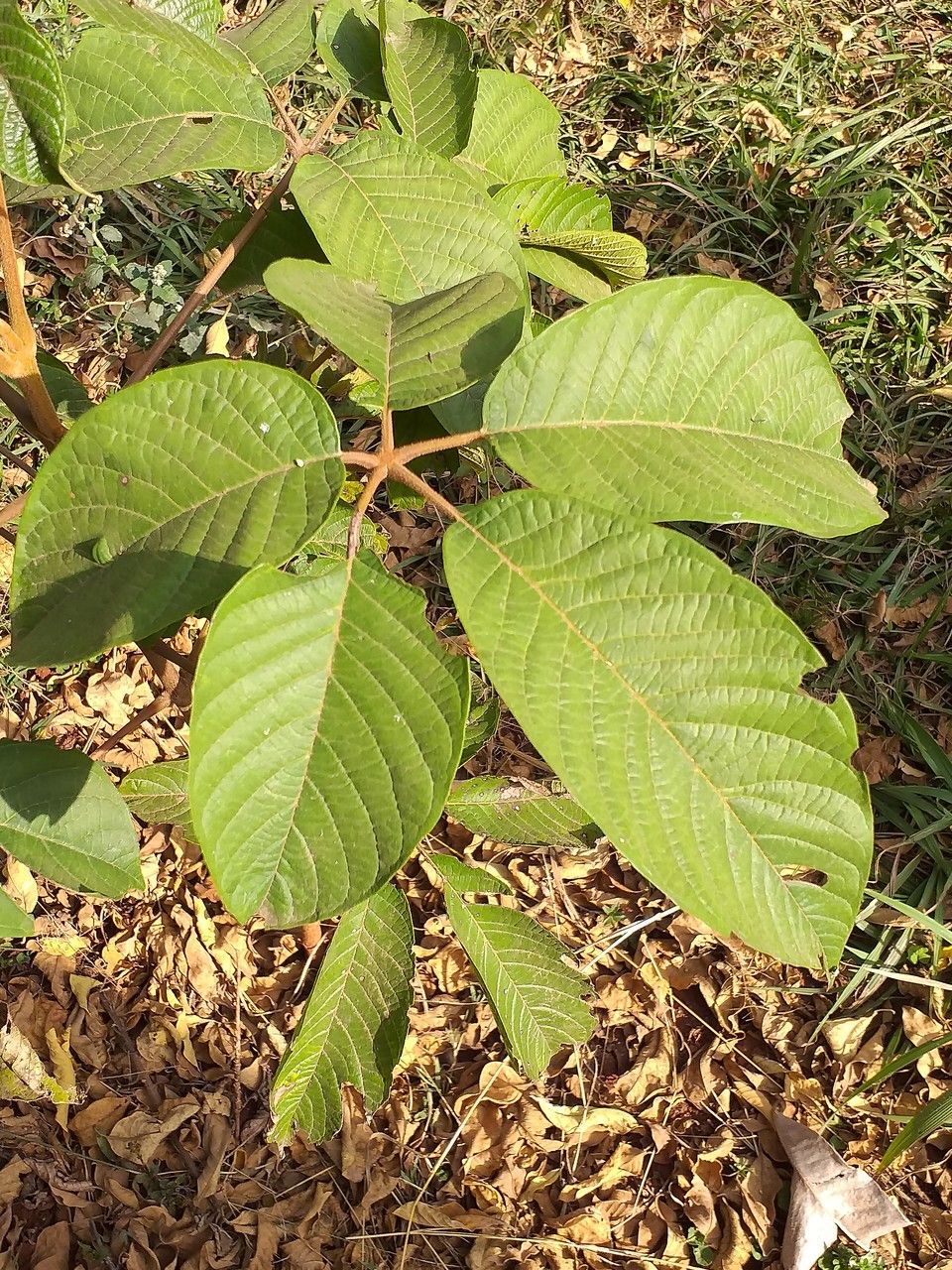
Hello, fellow garden enthusiasts! I’m so delighted you’re considering bringing more of the magical Vitex fischeri into your life. If you’ve ever admired its delicate, fragrant blooms and the way it dances in the breeze, you know just how special this plant is. And the best part? You can easily create your own little Vitex family! Don’t let the idea of propagation intimidate you; I find Vitex fischeri to be quite forgiving, making it a wonderful plant for beginners eager to expand their garden without breaking the bank. Getting a new plant from a cutting is a truly rewarding experience, like nurturing a tiny dream into reality.
The Best Time to Start
For the absolute best chance of success with your Vitex fischeri cuttings, I always recommend working in late spring to early summer. This is when the plant is actively growing and has plenty of energy. You’re looking for stems that are still somewhat flexible – not brand new, soft growth, but also not old, woody material. Think of it as the ‘just right’ stage, sort of like a teenager ready to take on the world!
Supplies You’ll Need
To get your propagation station set up, here’s a handy list of what you’ll want to have on hand:
- Sharp, clean pruning shears or a razor blade: Crucial for making clean cuts that heal well.
- Rooting hormone (optional but recommended): This little helper can significantly boost your success rate.
- Well-draining potting mix: A good blend of perlite, vermiculite, and peat moss works wonders. You can also buy a specific seed starting or propagation mix.
- Small pots or containers: About 3-4 inch pots with drainage holes are perfect.
- Plastic bags or propagation domes: To create a humid environment for your cuttings.
- Labels and a marker: So you don’t forget what you’ve planted where!
- Watering can or spray bottle: For gentle moisture.
Propagation Methods: Stem Cuttings
This is my go-to method for Vitex fischeri. It’s reliable and gives you the most bang for your buck.
- Take Your Cuttings: Select healthy stems that are about 4-6 inches long. Using your clean shears, make a clean cut just below a leaf node (that little bump where leaves emerge). Remove the lower leaves from the cutting, leaving just a few at the very top.
- Apply Rooting Hormone (If Using): Dip the cut end of the stem into your rooting hormone powder, tapping off any excess.
- Pot Them Up: Fill your small pots with the well-draining potting mix. Make a small hole in the center of the soil with your finger or a pencil.
- Insert Cuttings: Gently place the prepared cutting into the hole, ensuring the leaf nodes that were below the soil line are now covered. Firm the soil gently around the base of the cutting to provide support.
- Water Gently: Water the soil thoroughly but avoid waterlogging. You want the soil to be moist, not soggy.
- Create Humidity: Cover each pot loosely with a plastic bag or place them under a propagation dome. This traps moisture and keeps the humidity high, which is vital for cuttings to root. You can also prop up the bag with a chopstick or two so it doesn’t touch the leaves.
The “Secret Sauce” – Pro Tips from My Garden
Having nurtured countless plants over the years, I’ve picked up a few tricks that often make all the difference.
- Don’t Panic if Leaves Wilt: It’s perfectly normal for the leaves on your cuttings to wilt a bit as they adjust. As long as the stem itself looks firm and the soil is kept moist, they’re usually just working on those crucial roots below.
- Bottom Heat is Your Friend: If you have the space and equipment, placing your pots on a gentle heat mat can really speed up root development. It mimics the warmth of the soil in spring and gives those roots a little extra push to grow.
- Mist Regularly: Even with the plastic bags, a light misting of your cuttings every few days with plain water can be beneficial, especially if your home environment is dry.
Aftercare & Troubleshooting
Once you start to see new growth – little leaves unfurling or tiny roots peeking out of the drainage holes – you’re on the right track!
- Acclimate Gradually: When your cuttings have developed a good root system, it’s time to gradually remove the humidity cover. Start by opening the bag for a few hours each day, then leaving it off for longer periods. This helps them adjust to your home’s less humid environment.
- Water as Needed: Continue to keep the soil consistently moist, but not wet. Let the top inch of soil dry out slightly between waterings.
- Signs of Trouble: The most common issue you might encounter is rot. This usually happens when the soil is too wet and there’s not enough air circulation. If you see the stem turning mushy and black, it’s likely rot. Sadly, that cutting is probably lost. Your best defense is good drainage and not overwatering. Another sign of failure is simply no root development after several weeks. This can happen if the cutting was taken at the wrong time, wasn’t healthy to begin with, or the conditions weren’t quite right. Don’t get discouraged; just try again!
Nurturing a new plant from a tiny cutting is such a fulfilling part of gardening. Be patient, observe your little ones closely, and celebrate every bit of progress. Happy propagating, and may your garden be ever-blooming!
Resource:
https://identify.plantnet.org/k-world-flora/species/Vitex%20fischeri%20Gürke/data