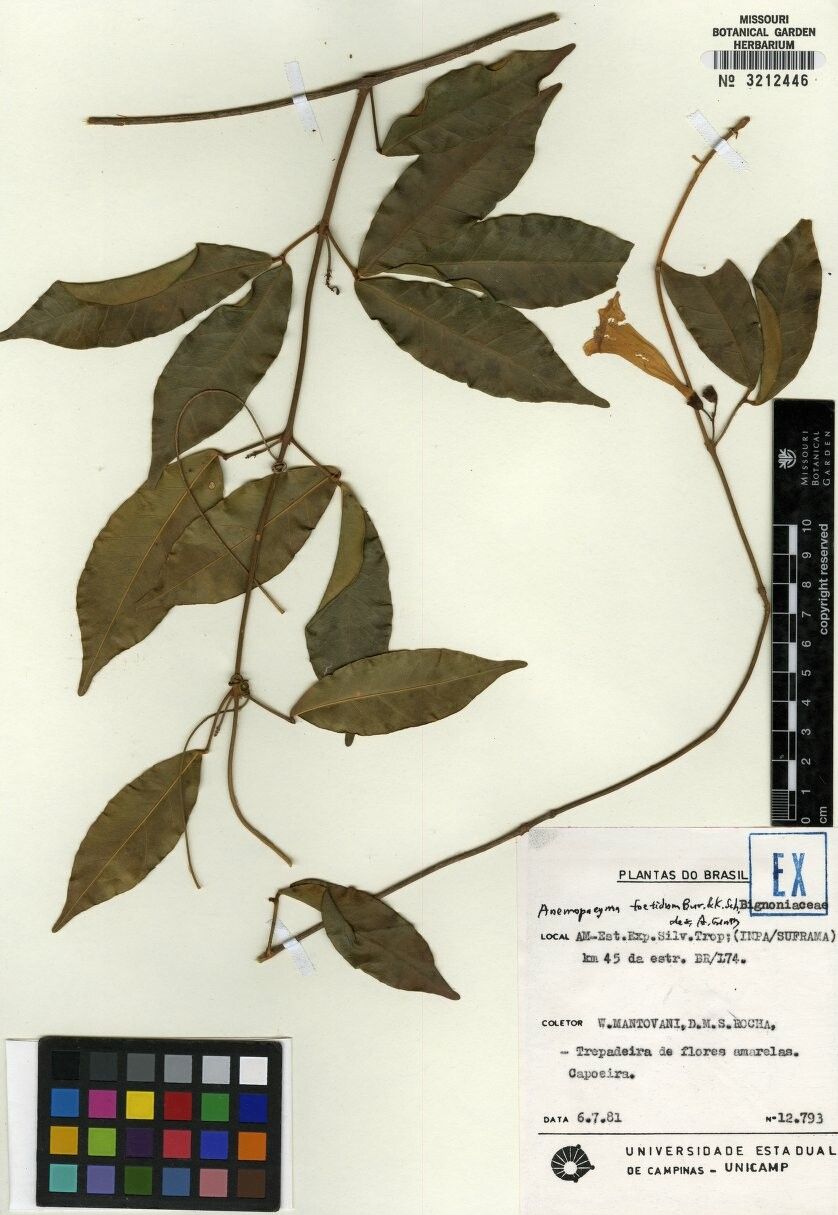
Oh, hello there! I’m so glad you’re interested in Anemopaegma foetidum. I’ve been working with this gorgeous vine in my garden for years, and let me tell you, its vibrant trumpet-shaped flowers are just a showstopper. And propagating them? It’s a truly rewarding experience, giving you more of that beautiful bloom to spread around, or even to share with fellow plant lovers. Now, as for beginners, I’d say Anemopaegma foetidum is moderately easy to propagate. It requires a bit of attention to detail, but it’s totally achievable with a little patience.
The Best Time to Start
For the highest success rate, I’ve found that late spring to early summer is the absolute sweet spot. This is when the plant is actively growing and has plenty of energy to put into rooting. You want to take cuttings from healthy, new growth that’s still somewhat flexible but has started to firm up – we call this “semi-hardwood.” Avoid taking cuttings from old, woody stems or very soft, new shoots that haven’t hardened off at all.
Supplies You’ll Need
Here’s a little kit to get you started:
- Sharp, clean pruning shears or a sharp knife: Disinfection is key!
- Rooting hormone powder or gel: This isn’t strictly necessary, but it really helps speed things up.
- A well-draining potting mix: I usually use a 50/50 blend of coarse perlite and peat moss, or a good quality seed-starting mix. Anemopaegma roots hate soggy feet!
- Small pots or trays: Clean ones, of course!
- A clear plastic bag or a clear propagation dome: To create a humid environment.
- A small watering can or mister: For gentle watering.
- Optional: Bottom heat mat: This can significantly improve rooting success, especially if your home is a bit cooler.
Propagation Methods: Stem Cuttings
This is by far the most common and effective way to propagate Anemopaegma foetidum. Here’s how I do it:
- Taking the Cuttings: First, select a healthy stem from your established plant. Look for growth that’s about pencil-thick and has started to lignify (harden) a bit. Using your sterilized pruners or knife, take cuttings that are about 4 to 6 inches long. Make your cut just below a leaf node (where a leaf attaches to the stem). This is where the magic hormones are concentrated.
- Preparing the Cuttings: Gently strip off the lower leaves, leaving just a couple of leaves at the very top. If the remaining leaves are quite large, I’ll often cut them in half horizontally to reduce water loss through transpiration.
- Dipping in Rooting Hormone: Dip the cut end of the stem into your rooting hormone. Tap off any excess – you don’t want too much clumped up.
- Planting the Cuttings: Fill your clean pots with your moistened potting mix. Make a hole in the center with a pencil or your finger. Insert the prepared cutting into the hole, ensuring the leaf nodes you stripped are below the soil line. Gently firm the soil around the cutting.
- Creating Humidity: Water the soil gently. Then, cover the pot with a clear plastic bag or propagation dome. Make sure no leaves are touching the plastic. If you are using a bag, you can stick a few skewers in the soil to prop it up.
The “Secret Sauce” (Pro Tips)
Here are a couple of tricks I’ve learned over the years:
- Don’t be afraid to dip: While some plants root without it, Anemopaegma foetidum really benefits from a good dip in rooting hormone. It’s like giving your cuttings a super boost!
- Bottom heat is your friend: If you can swing it, a little gentle warmth from below, like from a bottom heat mat, makes a world of difference. It encourages those roots to develop much faster. My cuttings root almost twice as quickly when they have that cozy warmth.
Aftercare & Troubleshooting
Once your cuttings are planted, place them in a bright spot out of direct sunlight. Keep the soil consistently moist but not soggy. You can mist the leaves daily or open the bag/dome for a few minutes to allow for some air circulation.
You’ll know your cuttings have rooted when you see new leaf growth or gentle resistance when you tug on the stem. This can take anywhere from 4 to 8 weeks, or sometimes even longer.
If you see blackening or mushy stems, that’s a sign of rot. This usually happens from overwatering or poor drainage. Sadly, that cutting is probably lost. It’s better to have slightly dry soil than waterlogged, at least in the early stages. If you see wilted leaves and no new growth, it might just need more time, or it could be that the cutting didn’t take.
A Little Encouragement
Propagating plants is a journey, and there will be times when some cuttings don’t make it. Don’t let that discourage you! Think of each attempt as a learning experience. Be patient, observe your cuttings closely, and celebrate each success, no matter how small. Happy propagating!
Resource: