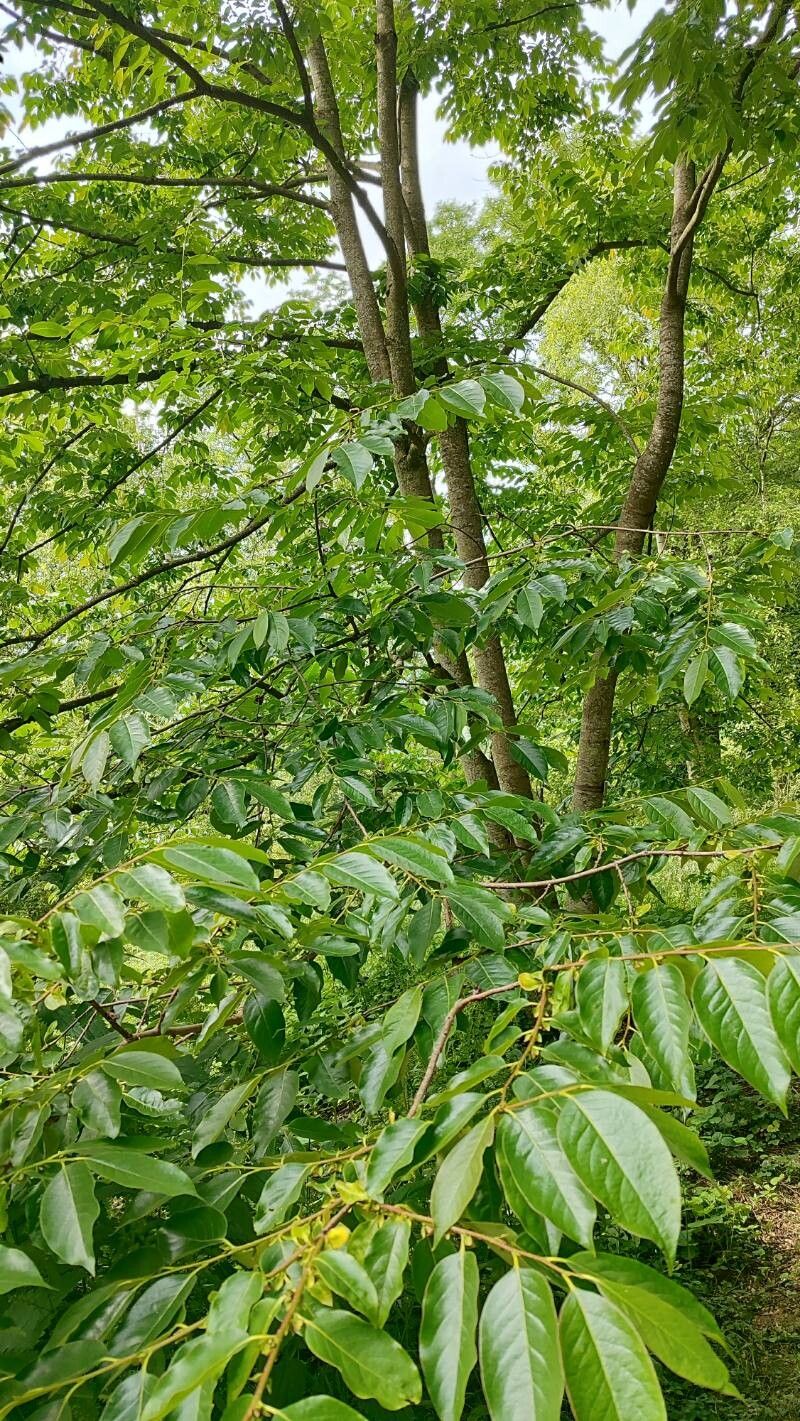
Hey there, fellow garden enthusiasts! It’s me, your friendly neighborhood horticulturalist. Today, we’re diving into the wonderful world of propagating Diospyros japonica, the Japanese Persimmon. If you’ve ever admired its graceful silhouette or the promise of homegrown persimmons, you’re in for a treat. Growing your own from a cutting or seed is incredibly satisfying, like holding a little piece of your garden’s future in your hands. Now, I won’t sugarcoat it – Diospyros japonica can be a bit of a slow starter when it comes to propagation, so it might not be the absolute easiest for a complete beginner, but with a little patience and these tips, you’ll be well on your way to success!
The Best Time to Start
Timing is everything in the garden, and for Diospyros japonica, late spring to early summer is your golden window. You want to work with softwood or semi-hardwood cuttings. These are the young, flexible shoots that have grown this season but have started to firm up a bit. Trying to take cuttings when the plant is actively flushing new growth or when it’s gone fully dormant can be trickier. We’re aiming for that sweet spot where the wood has some structure but still retains that vital life force.
Supplies You’ll Need
Here’s a handy checklist to get you prepped:
- Sharp Pruning Shears or a Knife: Clean cuts are happy cuts. Make sure they’re sterilized to prevent disease.
- Rooting Hormone: This stuff is a game-changer, especially for woody plants. Look for one that contains IBA (Indole-3-butyric acid).
- Well-Draining Potting Mix: A 50/50 blend of peat moss or coco coir and perlite or coarse sand works beautifully. You want air pockets so those little root hairs can breathe.
- Small Pots or Trays: Clean containers are key. About 4-6 inch pots are usually a good size.
- Plastic Bags or a Propagator: To maintain high humidity around your cuttings.
- Watering Can with a Fine Rose: For gentle watering.
- Labels and a Marker: Don’t forget to label your babies!
Propagation Methods
While you can grow persimmons from seed, it’s a long game and they often don’t come true to the parent. For a more predictable outcome and faster results, stem cuttings are your best bet.
Stem Cuttings:
- Select Your Cuttings: On a bright, but not scorching hot, morning, choose healthy shoots that are about 6-10 inches long. Look for stems that are pliable but no longer floppy. You’ll want to make your cut just below a leaf node (where a leaf attaches to the stem).
- Prepare the Cuttings: Gently remove the lower leaves from the cutting, leaving just a few at the top to keep photosynthesis going. You can even pinch off the very tip of the apical bud to encourage bushier growth.
- Apply Rooting Hormone: Dip the cut end of the stem into your rooting hormone powder, tapping off any excess. Make sure the bottom inch or so is coated.
- Plant Your Cuttings: Fill your clean pots with your prepared potting mix. Make a pilot hole with a pencil or your finger, then insert the cutting. Gently firm the soil around it. It’s good practice to plant multiple cuttings per pot, giving them a little space.
- Water Gently: Water thoroughly until water drains from the bottom of the pot.
- Create a Humid Environment: Cover the pot loosely with a plastic bag, securing it around the rim with a rubber band or tape. You can use stakes inside the pot to keep the bag from touching the leaves. Alternatively, place the pot inside a propagator with the lid on.
The “Secret Sauce” (Pro Tips)
Here are a couple of little tricks I’ve picked up over the years:
- Bottom Heat is Your Friend: Diospyros japonica roots really appreciate a bit of warmth from below. Pop your pots onto a heated propagator mat or a sunny windowsill with a radiator underneath. This tells those roots, “Hey, it’s time to get growing!”
- Don’t Drown the Dreams: When watering, make sure the soil is moist, not soggy. Overwatering is a surefire way to invite rot. Let the very top of the soil
Resource:
https://identify.plantnet.org/k-world-flora/species/Diospyros%20japonica%20Siebold%20&%20Zucc./data