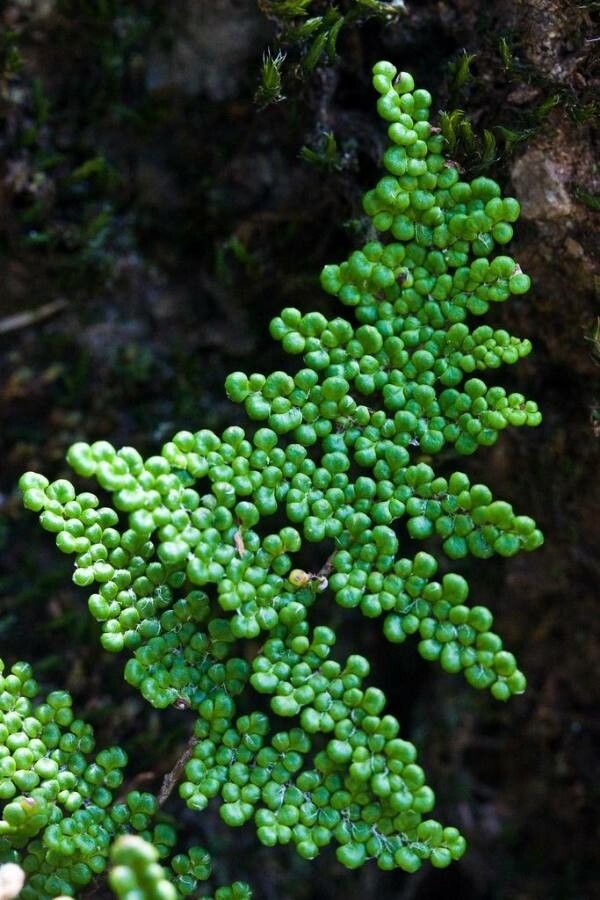
Oh, hello there! Come on in, grab a mug. Let’s chat about something truly special: coaxing new life from a Hemionitis intertexta. If you’ve ever admired those gorgeous, deeply lobed fronds, that rich, almost velvety texture, you’re not alone. This fern just has a way of making a space feel instantly more lush and inviting. And the best part? Sharing that beauty by propagating it yourself is incredibly rewarding. Now, I’ll be honest, Hemionitis isn’t quite as straightforward as, say, a Pothos. It asks for a little more attention, a bit of finesse. But don’t let that deter you! With a little patience and these tips, you’ll be well on your way to a whole collection.
The Best Time to Start
For Hemionitis intertexta, the sweet spot for propagation is usually during its active growing season, which means spring and early summer. This is when the plant has plenty of energy to put into developing new roots and shoots. Trying to propagate when it’s dormant, in the cooler, darker months, is like asking a sleepy bear to run a marathon – it’s just not going to happen. You’ll get much better results when things are warm and bright.
Supplies You’ll Need
Here’s what you’ll want to have on hand before you begin:
- Sharp Pruning Shears or a Clean Knife: For making clean cuts.
- Small Pots or Seedling Trays: With drainage holes, of course!
- Well-Draining Potting Mix: I like a blend of peat moss, perlite, and a bit of orchid bark for good aeration and moisture retention. A standard houseplant mix amended with perlite works too.
- Rooting Hormone (Optional but Recommended): This can significantly speed up root development. Get a powder or gel that suits you.
- Clear Plastic Bags or a Humidity Dome: To create a mini-greenhouse effect.
- Watering Can with a Fine Rose: To gently water your new propagations.
- Spray Bottle: For misting.
Propagation Methods
The most reliable way to propagate Hemionitis intertexta is through division. This fern typically forms clumps, and you can patiently tease these apart.
Here’s how I do it:
- Gently Remove from Pot: Carefully take your Hemionitis out of its current pot. If it’s stuck, a light tap around the rim usually does the trick.
- Inspect the Root Ball: Gently tease away some of the old soil. You’re looking for natural divisions – points where the rhizome (the thick, creeping stem) has branched and is already supporting a cluster of fronds and its own roots.
- Separate the Divisions: Using your fingers or a clean, sharp knife, carefully separate a section that has at least a few healthy fronds and a good amount of root. I try to make sure each division has its own substantial root system. Don’t be afraid to be a little firm, but also gentle. If the roots are really tangled, you might need to make a cut, but try to keep those roots as intact as possible.
- Pot Up Your New Plants: Fill your prepared small pots with your well-draining potting mix. Make a little well in the center and place your new division in there, spreading out the roots.
- Firm the Soil: Gently firm the soil around the base of the division, ensuring good contact with the roots. You want it snug, but not compacted.
- Water Gently: Water thoroughly until water runs out of the drainage holes. This helps settle the soil around the roots.
The “Secret Sauce” (Pro Tips)
Now, for those little tricks that can make all the difference:
- Don’t Over-Pot: Start your divisions in small pots. A pot that’s too large will hold too much moisture, and your delicate new roots can easily rot. Think “cozy” rather than “spacious” when they’re just starting out.
- Humidity is Key: This fern loves humidity. Once potted, cover the pots with a clear plastic bag (poke a few small holes for air circulation) or place them under a humidity dome. This creates that humid environment they crave while they establish. Keep them out of direct sunlight while under cover, as it can cook them!
- Warmth Encourages Roots: If you have a heating mat for seedlings, now’s the time to use it! Bottom heat can really give those new roots a boost, encouraging them to grow faster. Just place your potted divisions on top of the mat.
Aftercare & Troubleshooting
Once your new divisions are potted and covered, keep the soil consistently moist, but not waterlogged. Misting the leaves occasionally can also be beneficial. After a few weeks, you should start to see new frond growth unfurling. This is your sign that roots are developing! Once you see that new growth and the roots are filling the pot, you can gradually introduce them to more light and remove the plastic cover.
The most common issue you’ll encounter is rot. If you notice your fronds suddenly turning black and mushy, or the base of the plant is soft and disintegrating, it’s usually a sign of too much moisture and poor air circulation. Pull the plant out, inspect the roots. If they’re black and slimy, they’re rotted. You might be able to salvage a healthy-looking piece if you act fast, but it’s often disheartening. This is why the well-draining soil and not overwatering are so important.
A Encouraging Closing
Trust me, there’s such a thrill in nurturing a tiny new fern into a mature beauty. Be patient with your Hemionitis intertexta. Sometimes it takes a little longer than you expect, and that’s perfectly okay. Celebrate every new unfurling frond. Enjoy the process, and before you know it, you’ll have a whole cluster of these intricate, elegant ferns to share and admire. Happy growing!
Resource: