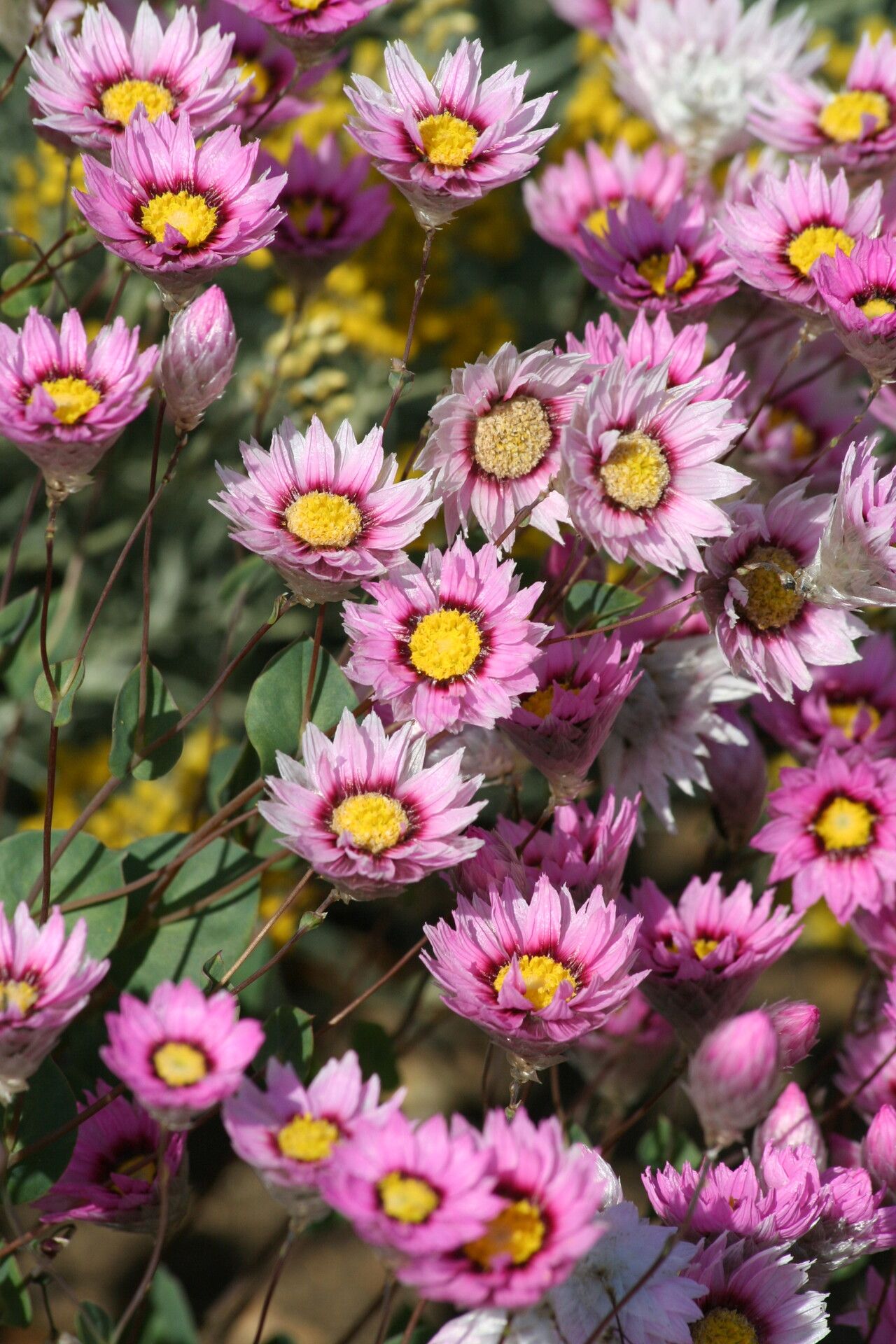
Oh, hello there! Grab a cuppa, because today we’re diving into the delightful world of Rhodanthe manglesii, also known as the Pink Everlasting Daisy. If you’ve ever seen these delicate papery blooms bobbing in the breeze, you know just how much charm they bring to a garden. They really are little sunbeams! And the best part? They’re surprisingly rewarding to propagate, bringing that same cheerful colour back to your patch year after year.
The Joy of More Pink Everlastings
Why bother growing more Rhodanthe manglesii? Well, for starters, they make fantastic cut flowers – lasting forever, as their name suggests! Plus, there’s a deep satisfaction in nurturing a tiny cutting into a vibrant plant. For beginners, this is a good one. It’s not overly fussy, and with a little attention, you’ll be rewarded with beautiful blooms.
When to Get Your Hands Dirty
The sweet spot for propagating Rhodanthe manglesii is generally late spring through early summer. This is when the plant is actively growing and has plenty of energy. Look for stems that are developing but aren’t yet flowering, or those that have just finished their first flush of blooms.
Your Propagation Toolkit
To set yourself up for success, gather these handy items:
- Sharp, clean pruning shears or a craft knife: Precision is key to clean cuts.
- Clean pots or seed trays: Anything that will hold your cuttings and soil.
- A well-draining potting mix: I like a blend of seed-starting mix with some perlite for extra aeration. Standard potting soil can be a bit too heavy.
- Rooting hormone (optional but recommended): This just gives your cuttings a little boost. I find the gel kind easiest to work with.
- A watering can with a fine rose or a mister: Gentle watering is crucial.
- A clear plastic bag or a propagator lid: To create a humid microclimate.
- Labels: So you don’t forget what you planted where!
Bringing New Life to Rhodanthe
We’ll focus on a couple of straightforward methods that work wonders for Rhodanthe manglesii.
Stem Cuttings: My Go-To Method
This is my favorite because it’s so effective.
- Take Your Cuttings: With your clean shears or knife, take 4-6 inch cuttings from healthy, non-flowering stems. Make the cut just below a leaf node (where the leaf joins the stem).
- Prepare the Cuttings: Gently remove the lower leaves. You want to expose the nodes, as this is often where roots will emerge. Leave just a couple of leaves at the very top to help the plant photosynthesize.
- Apply Rooting Hormone: If you’re using it, dip the cut end of each cutting into the rooting hormone powder or gel. Tap off any excess.
- Pot Them Up: Fill your pots or trays with your prepared potting mix. Moisten the soil thoroughly until it’s damp, not soggy.
- Insert the Cuttings: Make small holes in the soil with a pencil or your finger and insert the cuttings, ensuring the leaf nodes are buried in the soil. Gently firm the soil around them.
- Create Humidity: Water lightly again. Then, cover the pots with a clear plastic bag (making sure the leaves don’t touch the plastic!) or place them inside a propagator with a lid. This traps moisture and creates that vital humid environment.
Water Propagation: The See-It-Grow Method
This is a fun one, especially if you like watching the roots develop.
- Select and Prepare Cuttings: Follow steps 1 and 2 from the stem cutting method above.
- Place in Water: Find a clean glass or jar and fill it with fresh, room-temperature water. Place the prepared cuttings in the water, making sure no leaves are submerged. Leaves in water will rot.
- Find the Right Spot: Place the jar in a bright location, but out of direct, harsh sunlight.
- Change Water Regularly: Refresh the water every few days to keep it clean and oxygenated.
The “Secret Sauce” – Insider Tips
Here are a couple of tricks I’ve learned over the years:
- Don’t Rush to Pot: For stem cuttings, resist the urge to keep them in the propagator too long. Once you see roots developing (you might even see them peeking out of the drainage holes!), it’s time to get them into their own pots. They need space to grow.
- Bottom Heat is Your Friend: If you have a seedling
Resource:
https://identify.plantnet.org/k-world-flora/species/Rhodanthe%20manglesii%20Lindl./data