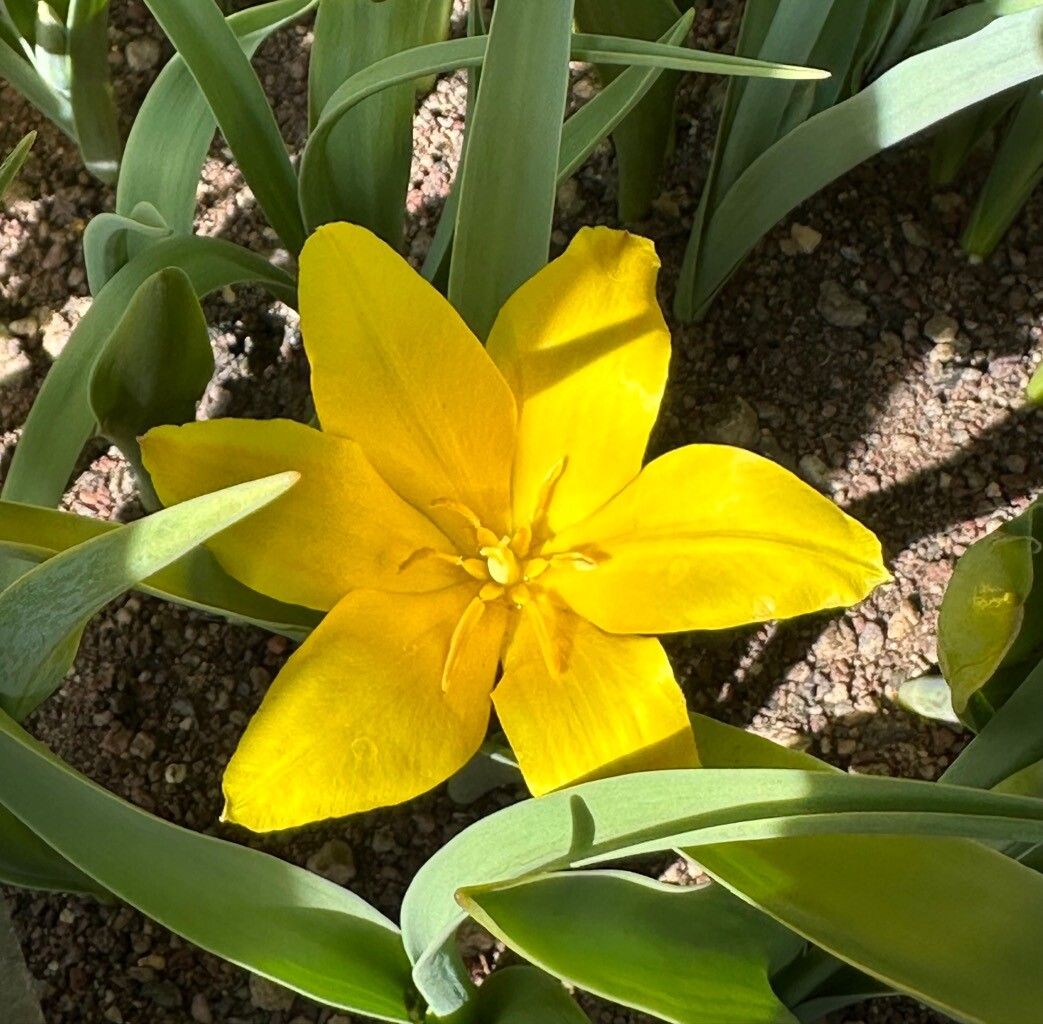
Hello, fellow garden enthusiasts! I’m so thrilled to chat with you today about one of my absolute favorite spring bloomers: Tulipa kolpakowskiana. If you adore those vibrant, jewel-toned cups that herald the arrival of warmer days, you’re in for a treat. These little darlings are just packed with personality, and there’s something truly special about multiplying them yourself. Think of it as growing your own little spring meadow! For beginners? I’d say Tulipa kolpakowskiana is a moderately rewarding plant to propagate. It requires a bit of attention to detail, but the payoff is so worth it.
The Best Time to Start
The absolute best time to propagate Tulipa kolpakowskiana, by far, is right after they’ve finished blooming and the foliage has started to yellow and die back naturally. This is when the parent plant has stored up all its energy, and any offsets or bulbils will be plump and ready to go. Trying to do this too early, while the leaves are still green and photosynthesizing, can stress the parent plant and result in weaker propagules. Patience is key here; let nature do its work first.
Supplies You’ll Need
To get your propagation party started, you’ll want to gather a few things:
- Clean, sharp trowel or small spade: For gently separating bulbils.
- Hand trowel: For preparing new planting sites.
- Well-draining potting mix: A cactus/succulent mix or a blend of potting soil with perlite and sand works wonderfully. Tulips hate soggy feet!
- Small pots or trays: For housing your new bulbils.
- Watering can with a fine rose: For gentle watering.
- Optional: Rooting hormone powder: Can give an extra boost, especially for tired-looking bulbils.
- Garden gloves: To keep your hands clean.
Propagation Methods
For Tulipa kolpakowskiana, the primary and most successful method is by separating bulbils. Tulips don’t typically produce “pups” in the same way some other bulbs do, but they do create small offsets called bulbils at the base of the main bulb.
Here’s how you do it:
- Wait for Dormancy: As mentioned, wait until that gorgeous foliage turns yellow and starts to wither. This is your signal!
- Gently Excavate: Carefully dig around the base of the spent Tulipa kolpakowskiana plant with your trowel. You want to loosen the soil around the parent bulb without damaging it.
- Locate the Bulbils: Gently tease away the soil from the parent bulb. You’ll often find tiny, rice-grain-sized to pea-sized bulbils clinging to the sides or just beneath the main bulb. They look like miniature versions of the parent bulb.
- Detach with Care: Using your fingers or the tip of your trowel, carefully twist or gently pull the bulbils away from the parent bulb. Try to get the entire bulbil, with any tiny root nubs attached.
- Prepare New Homes: Fill your small pots or trays with your well-draining potting mix.
- Plant the Bulbils: Plant each bulbil about 1-2 inches deep, depending on its size. The pointed end should ideally face upwards, but don
Resource:
https://identify.plantnet.org/k-world-flora/species/Tulipa%20kolpakowskiana%20Regel/data