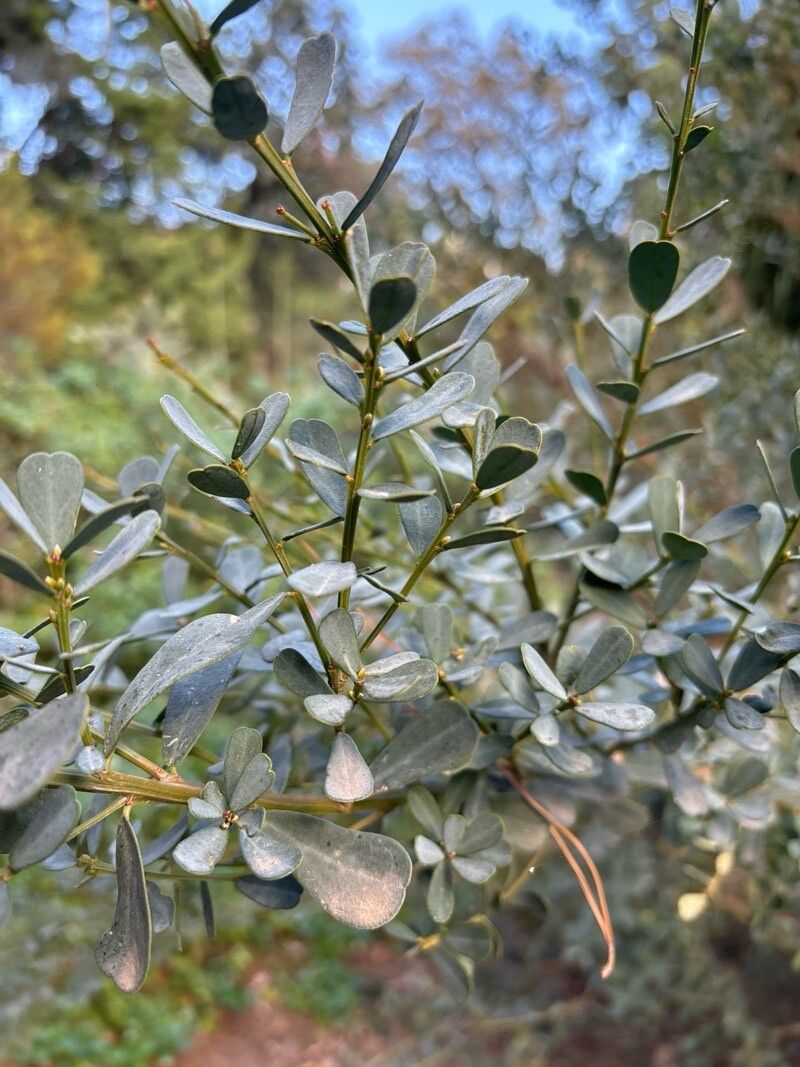
Oh, hello there! Come on in, grab a mug. Let’s talk about Templetonia retusa, or as I affectionately call her, our beautiful red-flowered pea bush. This Australian native is such a delight in the garden, with those cheerful, pendant red blossoms that feel like they’re always putting on a show, usually from late winter right through spring. It’s a wonderfully tough plant, handling coastal conditions and even a bit of dryness once established. And propagating it? Well, that’s a fantastic way to share its joy or simply fill your own garden with more of its charm. For beginners, I’d say Templetonia is moderately easy to propagate. It’s not quite as foolproof as a spider plant, but with a little attention, you’ll find success.
The Best Time to Start
When it comes to getting Templetonia to root, I’ve found the sweet spot is late spring to early summer. This is when the plant is actively growing after its main flowering period. You want to take cuttings from stems that are semi-hardwood. That means they’re not brand new and floppy, but not old and woody either. Think of it like the green, sappy growth from a few months ago that’s just starting to firm up.
Supplies You’ll Need
Gathering your tools beforehand makes the process so much smoother. Here’s what I always have on hand:
- Clean pruning shears or a sharp knife: For making precise cuts.
- Rooting hormone: This is optional but can really boost your success rate, especially for trickier cuttings. I usually opt for a powder form.
- Well-draining potting mix: I like a blend of equal parts peat moss or coco coir and perlite or coarse sand. You want air and drainage!
- Small pots or trays: Clean pots are essential to prevent disease.
- Plastic bags or a propagator: To create a humid environment.
- Patience! This is the most important tool, really.
Propagation Methods: Stem Cuttings
Stem cuttings are my go-to method for Templetonia. It’s straightforward and usually gives excellent results.
- Select your cuttings: Look for healthy, non-flowering stems about 10-15 cm long. Make your cut just below a leaf node (where a leaf meets the stem).
- Prepare the cuttings: Gently remove the lower leaves, leaving just a few at the very top. This prevents them from rotting in the soil. If your cuttings are a bit long, you can trim them down.
- Apply rooting hormone (optional but recommended): Dip the cut end of the stem into the rooting hormone, tapping off any excess.
- Pot them up: Fill your clean pots with your well-draining mix. Make a small hole in the center with a pencil or your finger.
- Insert the cuttings: Place the treated end of your cutting into the hole and gently firm the soil around it.
- Water them in: Water gently but thoroughly.
- Create humidity: Cover the pot loosely with a plastic bag or place it in a propagator. This keeps the humidity high, which is crucial for the cuttings to root before they dry out. A stake or two can help keep the bag from touching the leaves.
The “Secret Sauce”
You know, after all these years, I’ve picked up a few little tricks that seem to make a difference.
- Bottom heat is your friend: If you have a heated propagator or can place your pots on a gentle heat mat, do it! Warmer soil temperatures encourage the cuttings to form roots much faster. Just a gentle warmth, no scorching!
- Don’t overwater: It sounds counterintuitive, but soggy soil is the quickest way to rot off your precious cuttings. The soil should feel moist, not wet. I often check by touching the surface; if it feels dry and crumbly, it’s time for a light watering.
- Choose your stems wisely: I’ve found that cuttings taken from stems that have already flowered and are now hardening off (semi-hardwood) tend to have a higher success rate than very soft, new growth.
Aftercare & Troubleshooting
Once you’ve potted up your cuttings, the real waiting game begins. Keep them in a bright spot, but out of direct, harsh sunlight. The humidity is key here. Check them regularly.
The first sign of success is often seeing new leaf growth at the tip of the cutting. Once you see this, you can start to gradually reduce the humidity by opening the bag a bit more each day. You’ll also want to gently test for roots by giving the cutting a very light tug. If there’s resistance, you’ve got roots!
The biggest culprit for failure with cuttings is rot. If you see your cuttings turning black and mushy, it’s almost always due to too much moisture and insufficient drainage. If you’re unsure about watering, it’s better to hold off for a day or two. Another common issue is drying out. If a cutting wilts and its leaves go crispy, it didn’t get enough humidity or was exposed to too much sun.
A Little Encouragement
So there you have it! Propagating Templetonia retusa is a rewarding process that connects you even more deeply with your garden. Don’t be discouraged if you have a few failures along the way – even seasoned gardeners do! Just keep practicing, observe your plants, and enjoy the green magic unfolding. Happy propagating!
Resource:
https://identify.plantnet.org/k-world-flora/species/Templetonia%20retusa%20(Vent.)%20R.Br./data