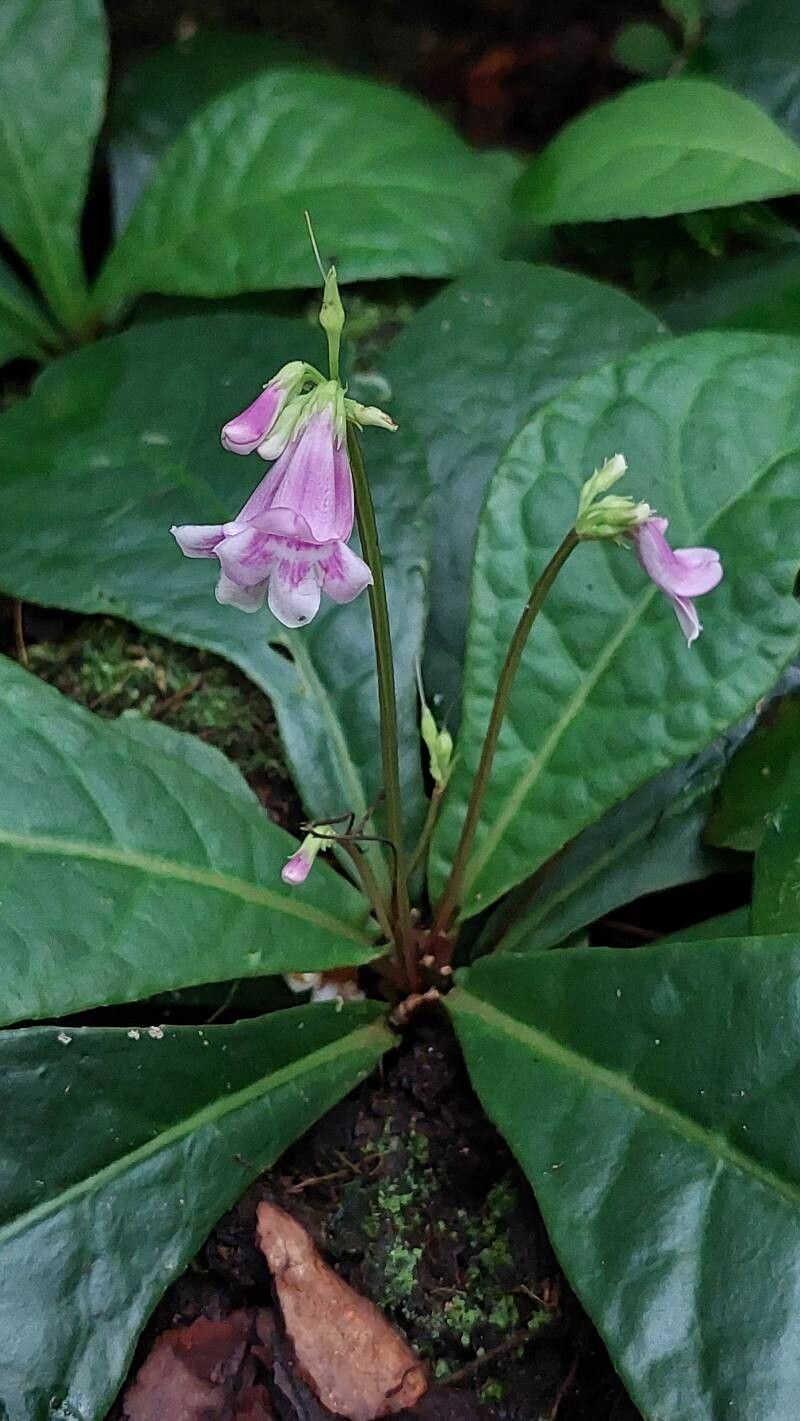
Oh, hello there! Grab a mug, settle in, and let’s chat about one of my favorite little beauties: the Tetranema roseum. Isn’t it just charming with those delicate, rose-pink blooms? They bring such a sweet, delicate splash of color to shady spots, don’t they? And the best part? You can easily fill your garden, or even share with fellow plant lovers, by propagating them yourself. If you’re just starting out with plant projects, you’ll be happy to know Tetranema is wonderfully forgiving. It’s a genuinely rewarding plant to get more of.
When to Get Your Hands Dirty
For Tetranema roseum, the sweet spot for propagation is really during its active growing season. That means late spring through summer is prime time. You want the plant to be vigorous and full of life. Taking cuttings or dividing when the plant is actively pushing out new growth gives them the best shot at success. You can sometimes get away with early autumn, but the energy just isn’t quite there.
What You’ll Want in Your Toolkit
Before we begin, let’s make sure you have everything ready. It’s always best to be prepared!
- Sharp Pruning Shears or Knife: Clean, sharp tools are essential for making neat cuts.
- Potting Mix: A well-draining mix is key. I like to use a blend of peat moss or coco coir with perlite or coarse sand. For cuttings, a lighter mix works wonders.
- Small Pots or Seed Trays: Whatever you have on hand that will hold your new plants. Make sure they have drainage holes!
- Rooting Hormone (Optional but Recommended): While Tetranema can root without it, a good quality rooting hormone will speed things up and increase your success rate.
- Watering Can or Spray Bottle: For gentle watering.
- Labels/Markers: Don’t forget to label your new babies!
Let’s Get Propagating!
Tetranema roseum is quite easy to propagate through a couple of simple methods. We’ll focus on the two I find most successful.
Stem Cuttings: The Classic Approach
This is my go-to method for Tetranema. It’s straightforward and yields great results.
- Select a healthy stem: Look for a non-flowering stem that is about 4-6 inches long. It should be somewhat firm but not woody.
- Make your cut: Using your sharp shears, make a clean cut just below a leaf node. A leaf node is where a leaf attaches to the stem, and it’s where roots are most likely to form.
- Prepare the cutting: Gently remove the lower leaves, leaving just a few at the very top. If your cutting is long, you can even halve the remaining leaves to reduce water loss.
- Dip in rooting hormone: If you’re using rooting hormone, dip the cut end of the stem into it. Tap off any excess.
- Plant your cutting: Fill your small pot with your well-draining potting mix. Make a small hole with your finger or a pencil and insert the cutting. Firm the soil gently around the base.
- Water and cover: Water gently to settle the soil. You can then place the pot inside a clear plastic bag or cover it with a plastic dome. This creates a humid environment, which cuttings love. Make sure the leaves don’t touch the sides of the bag if possible.
Division: Giving Your Mature Plants a Haircut
If you have a larger, established Tetranema plant, division is a fantastic way to get multiple new plants.
- Gently remove the plant: Carefully dig up your entire Tetranema plant from its pot or the ground. Try to keep as much of the root ball intact as possible.
- Inspect the roots: Shake off some of the excess soil so you can see the root system. You’re looking for natural breaks in the plant where it’s dividing into separate sections.
- Separate the clumps: You can often gently pull the separate sections apart with your hands. If they are quite tangled, use a clean, sharp knife to cut through the roots, ensuring each section has a good portion of roots and some leafy growth.
- Pot up the divisions: Re-pot each division into its own pot filled with fresh, well-draining soil. Water them thoroughly.
The “Secret Sauce” – Insider Tips from My Garden
Here are a few little tricks I’ve learned over the years that really make a difference:
- Sterilize Everything: Before you start, give your pruning shears or knife a quick wipe with rubbing alcohol. This might sound tedious, but it prevents the spread of diseases from old plants to your new cuttings.
- Bottom Heat is Your Friend: For stem cuttings, placing your pots on a heat mat specifically designed for plants can dramatically speed up root development. It mimics the warmth of spring soil and gives those little root cells a real nudge. Just make sure the mat isn’t too hot – lukewarm is perfect.
- Patience with Water Propagation: While you can propagate Tetranema in water, I find it’s easier for them to rot if the leaves or nodes sit in the water. If you do choose this method, make sure only the cut stem end is submerged, and change the water every few days to keep it fresh.
Life After Roots and What To Watch For
Once you see roots emerging from the drainage holes or the plant starts to look a bit more established, it’s time for a little more focused care.
- Gradual Acclimation: If you’ve covered your cuttings, start by removing the plastic for a few hours each day to gradually acclimate them to normal humidity. Eventually, you can remove the cover completely.
- Watering Routine: Water when the top inch of soil feels dry to the touch. Avoid letting them sit in soggy soil, as this is a fast track to root rot.
- Light Needs: Tetranema roseum enjoys bright, indirect light. Once your new plants have established roots, move them to a spot with good light, but out of direct, harsh afternoon sun.
Troubleshooting is a part of gardening, and sometimes things don’t go as planned. If your cuttings turn yellow and mushy, that’s usually a sign of overwatering or poor drainage. If they simply wither and dry out, they might not have gotten enough humidity, or the cutting was too old. Don’t be discouraged if a few don’t make it; it’s a learning process for all of us!
Keep Growing!
There you have it! Propagating Tetranema roseum is a truly rewarding experience. Be patient with your new little sprigs. Gardening is an art of observation and gentle guidance, and before you know it, you’ll have a whole collection of these delightful blooms to enjoy. Happy propagating!
Resource: