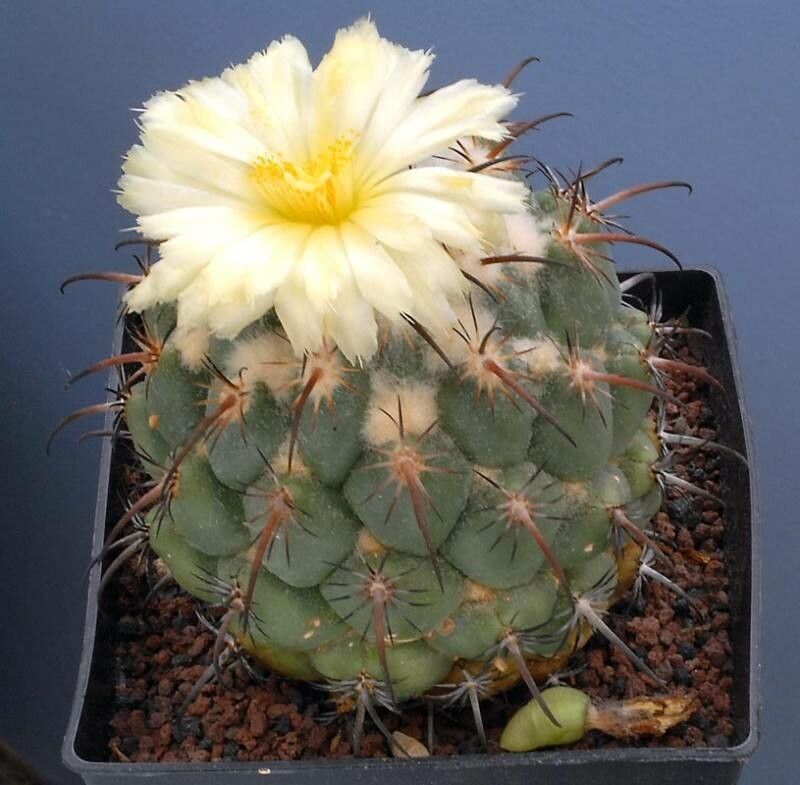
Hello there, fellow plant lovers! Today, we’re diving into the wonderful world of Coryphantha longicornis, also known affectionately as the Long-Spined Cory. If you’ve ever admired this captivating cactus for its striking spines and charming globular shape, you’re in for a treat. Propagating it is a fantastic way to share its beauty or simply expand your own collection without breaking the bank. I’ve found Coryphantha longicornis to be moderately easy to propagate, meaning it’s a rewarding project for the more patient beginner ready to learn a few nuances.
The Best Time to Start
For Coryphantha longicornis, the spring and early summer are your prime propagation windows. This is when the plant is actively growing, meaning it’s primed to produce roots. Starting during this period ensures your new babies have the longest possible growing season ahead of them to establish themselves. Trying to propagate when the plant is dormant in winter is generally less successful.
Supplies You’ll Need
- Well-draining soil mix: A commercial cactus and succulent mix is a great start. I like to amend it with extra perlite or pumice for even better drainage.
- Sharp, sterilized pruning shears or a sharp knife: Cleanliness is key to preventing disease.
- Rooting hormone (optional, but recommended): This can give your cuttings a helpful boost.
- Small pots or seed trays: About 2-4 inches in diameter is perfect for starting out.
- Gravel or grit: For top dressing to help with aeration and prevent crown rot.
- Watering can with a fine rose or a spray bottle: Gentle watering is essential.
- Gloves: Cacti spines can be a pain!
Propagation Methods
While you can technically divide Coryphantha longicornis, the most straightforward and successful method for this particular species is from offsets or side shoots.
Propagating from Offsets/Side Shoots:
- Locate Your Offsets: Look for small plantlets that have emerged from the base or sides of your established Coryphantha longicornis. They often resemble miniature versions of the mother plant.
- Separate Carefully: Using your sterilized pruning shears or knife, gently cut the offset away from the parent plant. Try to get a little bit of the parent areole (where the spines emerge) if possible, as this is where root primordia might be. Make a clean cut.
- Callus Over: This is a CRITICAL step for cacti! Place the severed offset in a bright, dry location (out of direct sun) for several days to a week or even two. You’ll see the cut end dry and form a callus. This prevents rot when you plant it. Patience here is your best friend.
- Planting: Once callused, gently place the offset on top of your well-draining soil mix in a small pot. You can press it down slightly so it makes good contact with the soil, but do not bury it too deeply.
- Top Dressing: Add a thin layer of gravel or grit around the base of the offset.
- Initial Watering (Wait!): Do NOT water immediately after planting. Wait another week or so. This gives any microscopic cuts time to heal and further reduces the risk of rot. When you do water, do so sparingly.
The “Secret Sauce” (Pro Tips)
Here are a few things I’ve learned over the years that make a difference:
- Bottom Heat Magic: If you have the setup, placing your pots on a seedling heat mat set to a low temperature (around 70-75°F or 21-24°C) can significantly speed up root development. It mimics the warmer soil temperatures that encourage root growth in their natural habitat.
- Don’t Overcrowd the Pot: Even with offsets, give them a little space. If they’re too crowded, air circulation suffers, which can lead to fungal issues.
- The “Wiggle Test”: After about 4-6 weeks, you can gently try to wiggle the new plant. If you feel resistance, that’s a good sign roots have formed! If it’s still loose, give it more time and avoid pulling it out to check, as you can damage delicate new roots.
Aftercare & Troubleshooting
Once your offset has happily rooted (you’ll see signs of new growth and it will feel secure in the soil), you can gradually transition it into more regular care. Water when the soil is completely dry, and provide bright, indirect light.
The most common problem you’ll face is rot. This is usually caused by overwatering, insufficient drainage, or planting before the cut has callused properly. If you notice the offset becoming soft, mushy, or changing to a dark, discolored hue, it’s likely succumbing to rot. Unfortunately, once rot sets in, it’s very difficult to save the plant. If you catch it very early, you might be able to cut away the rotten parts and try to re-callus the healthy section, but it’s a long shot. Ensure your soil drains like a sieve and you are indeed letting the cut end fully callous before potting.
A Word of Encouragement
Propagating cacti like Coryphantha longicornis is a journey of observation and patience. Don’t be discouraged if your first attempt isn’t a runaway success. Learn from it, adjust your approach, and try again. The reward of nurturing a new plant from a piece of your old one is immense. Happy propagating!
Resource:
https://identify.plantnet.org/k-world-flora/species/Coryphantha%20longicornis%20Boed./data