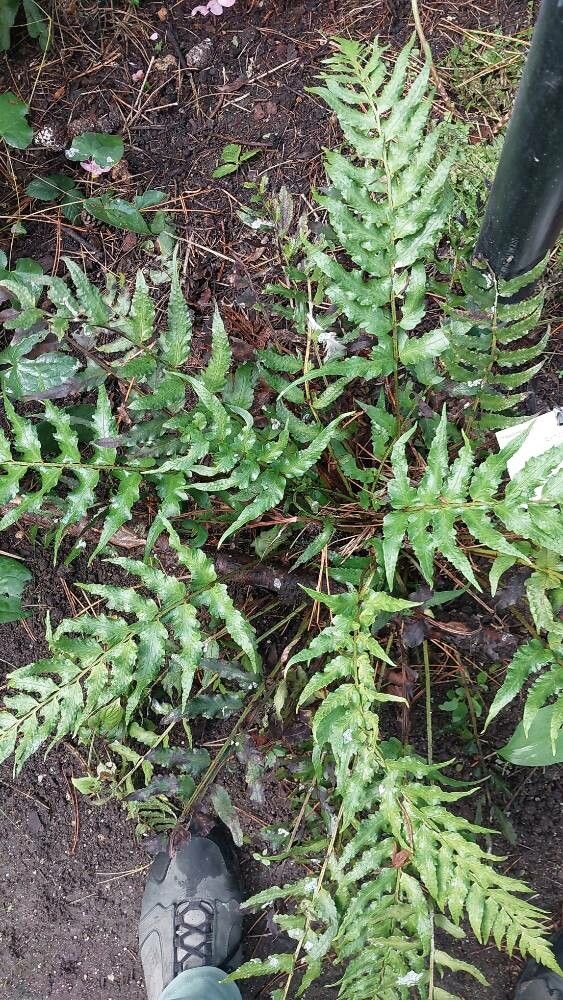
Hello fellow plant lovers! Today, we’re diving into the magical world of fern propagation, specifically focusing on a real gem: Polystichum lepidocaulon, or the Japanese Sword Fern. If you’re like me, you’ve probably admired its elegant, sword-like fronds and the subtle scales that give it its name. It’s a fern that brings a touch of sophistication to any shady corner, and propagating it is incredibly rewarding. It’s a fantastic way to fill your garden or share these beauties with friends. Now, for the good news: propagating Polystichum lepidocaulon isn’t overly tricky, making it a great project for those new to fern propagation, or even seasoned hands looking for a satisfying win.
The Best Time to Start
Timing is everything with plants, isn’t it? For our Japanese Sword Ferns, the sweet spot is generally late spring to early summer. This is when the plant is actively growing and has plenty of energy to put into developing new roots. You’re looking for healthy, mature plants that are producing new fronds. Avoid trying to propagate right after a harsh winter or during a heatwave.
Supplies You’ll Need
Gathering your tools beforehand makes the whole process so much smoother. Here’s what I like to have on hand:
- Sharp Pruning Shears or a Clean Knife: For making precise cuts.
- Well-Draining Potting Mix: A blend of peat moss, perlite, and a little bit of compost works wonders. You can also find specific fern propagation mixes.
- Small Pots or Propagation Trays: Clean ones are a must to prevent disease.
- Rooting Hormone (Optional but Recommended): A simple powder or gel can boost your success rate.
- Watering Can with a Fine Rose: For gentle watering.
- Plastic Bags or a Propagator: To create a humid environment.
- Labels: Essential for keeping track of your projects!
Propagation Methods
For Polystichum lepidocaulon, division is your best bet. This fern produces offsets (or “pups”) at the base, which are essentially miniature versions of the parent plant.
Division Step-by-Step:
- Gently Remove the Fern: Carefully lift the entire Polystichum lepidocaulon from its pot. If it’s in the ground, dig around it, ensuring you disturb the roots as little as possible.
- Examine the Root Ball: Look for natural separations where new, smaller plants are emerging from the main crown or rhizome. You’ll notice they often have their own set of roots attached.
- Prepare Your Tools: Make sure your pruning shears or knife are clean.
- Divide with Care: Gently tease apart the offsets from the parent plant. If they don’t pull apart easily, use your sharp tool to cut through the connecting rhizome. The key here is to make a clean cut and ensure each division has a good portion of root attached. If an offset has no roots, don’t worry just yet – we have a trick for that!
- Pot Up the Divisions: Fill your clean pots with your prepared potting mix. Create a small well in the center of each pot.
- Plant the New Divisions: Place each division into the well, ensuring the crown (where the fronds emerge) is at or just slightly above the soil line. Gently firm the soil around the roots.
The “Secret Sauce” (Pro Tips)
Here are a couple of things I’ve learned over the years that make a real difference:
- Don’t Drench, Just Dampen: When you first pot up your divisions, water them gently but thoroughly, then let excess drain away. You want the soil to be consistently moist, not waterlogged. Overwatering is the express train to rot city for ferns.
- Humidity is Your Friend (Initially): Ferns are humidity lovers, and newly divided plants need that extra boost to settle in and start growing. Place a clear plastic bag loosely over the pot or use a propagator lid. Make sure to open it for a few minutes each day to allow for air circulation and prevent mold.
Aftercare & Troubleshooting
Once your divisions are potted, place them in a bright, indirect light location. Avoid direct sunlight, as it can scorch their delicate fronds. Keep the soil consistently moist but not soggy.
You’ll know your divisions are happy when you see new frond unfurling, often called fiddleheads. This usually takes several weeks to a couple of months.
The most common issue you’ll face is rot. If you see fronds turning brown and mushy, or if the base of the plant seems soft and dark, it’s a sign of too much moisture and not enough air. In this case, remove the affected parts immediately with clean shears and allow the soil to dry out a bit. If a division fails to show any signs of life after a couple of months and looks completely lifeless, it’s unfortunately best to discard it and not let it affect any other efforts.
A Little Patience, A Lot of Reward
Propagating Polystichum lepidocaulon is such a wonderfully rewarding experience. It takes a little care and a dash of patience, but watching those new fiddleheads appear is a moment of pure gardening joy. Don’t be discouraged if your first attempt isn’t perfect. Each plant is a learning opportunity, and before you know it, you’ll have a collection of these beautiful ferns to adorn your home and garden. Happy propagating!
Resource: