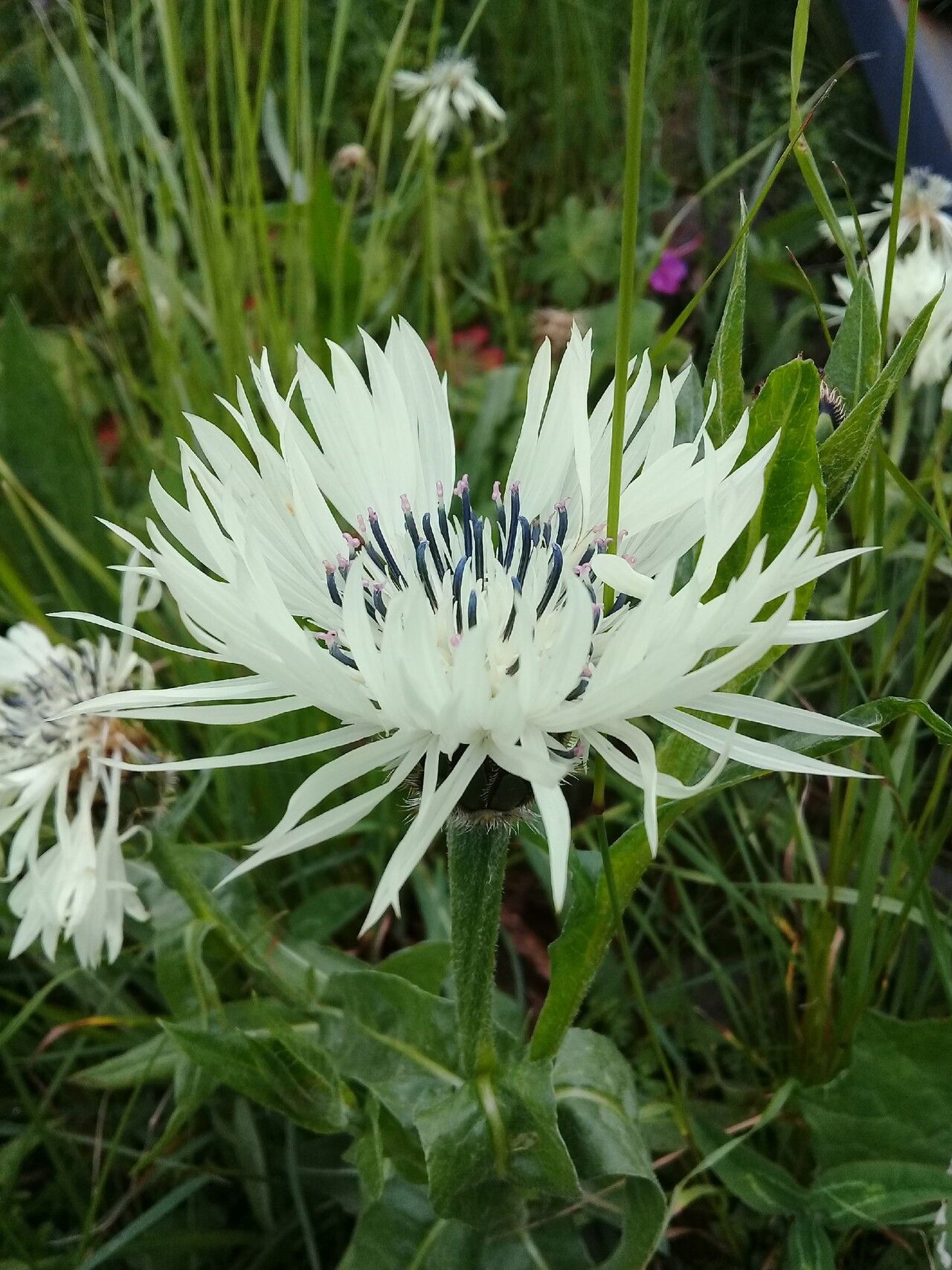
Hello fellow plant lovers! Today, we’re diving into the delightful world of Centaurea cheiranthifolia, also known as Yellow Bachelor’s Button. If you’ve ever admired its cheerful, sunny blooms and the soft, silvery foliage that adds such lovely texture to a garden, you’re in for a treat. Propagating these beauties is a wonderfully rewarding way to get more of that sunshine-yellow magic for your own patch, or even to share with friends. And the good news? For most gardeners, it’s a pretty straightforward process, making it a great plant for those just starting their propagation journey!
The Best Time to Start
For the highest success rate with Centaurea cheiranthifolia, I find that the late spring or early summer is absolutely ideal. This is when the plant is actively growing, and the new shoots are plump and full of life. Starting earlier, like in early spring, can also work, but sometimes the new growth isn’t quite as robust. We’re looking for young, semi-hardened stems – not the brand new, floppy green bits, nor the woody old stems.
Supplies You’ll Need
Gathering your tools beforehand makes the whole process smoother. Here’s what I usually have on hand:
- Sharp, clean pruning shears or a sharp knife (sterilize them with rubbing alcohol!)
- A well-draining potting mix. I often use a 50/50 mix of perlite and a good quality seed starting mix. Some people swear by just perlite, and that works too!
- Small pots or trays with drainage holes. Yogurt cups with holes poked in the bottom work in a pinch!
- Rooting hormone (optional, but it does give an extra boost). I prefer the powder form.
- A spray bottle filled with water.
- A clear plastic bag or a propagator lid to create a humid environment.
- A labels and a permanent marker to keep track of what you’ve planted.
Propagation Methods: Stem Cuttings
This is my go-to method for Centaurea cheiranthifolia. It’s effective and gives you a great chance of success.
- Take Your Cuttings: Gently select healthy stems from your established plant. Using your clean shears, take cuttings that are about 4-6 inches long. Make the cut just below a leaf node (where a leaf attaches to the stem).
- Prepare the Cuttings: Carefully remove the lower leaves from the cutting, leaving just a few at the top. This prevents them from rotting when buried and encourages root development.
- Apply Rooting Hormone (Optional): Dip the cut end of the stem into your rooting hormone, tapping off any excess.
- Plant the Cuttings: Fill your small pots with your prepared potting mix. Make a small hole in the center of each pot with your finger or a pencil. Insert the cut end of the stem into the hole, making sure the leaf nodes are below the soil surface.
- Water Gently: Water thoroughly until the soil is evenly moist, but not waterlogged. A gentle watering can or a spray bottle works well here.
- Create Humidity: Place the pots into a clear plastic bag, sealing it loosely, or cover them with a propagator lid. This keeps the moisture level high, which is crucial for cuttings.
- Provide Light and Warmth: Place the pots in a bright spot that receives indirect sunlight. Avoid direct sun, which can scorch the delicate cuttings. If you have a heat mat, placing the pots on it can speed up root development.
The “Secret Sauce” (Pro Tips)
Here are a couple of tricks I’ve picked up over the years that really seem to help these little guys thrive:
- Don’t let the leaves touch the water! If you’re tempted to try water propagation (which is less reliable for Centaurea but sometimes attempted), make absolutely sure that no leaves are submerged. They will rot quickly and infect the stem. With cuttings in soil, this means stripping off those lower leaves thoroughly.
- Bottom Heat is your friend. While not strictly essential, providing a gentle warmth from below (around 70-75°F or 21-24°C) really kickstarts root formation. This is easily achieved with a small seedling heat mat.
Aftercare & Troubleshooting
Once your cuttings have rooted, congratulations! You’ve got a new plant in the making.
- Checking for Roots: After a few weeks (sometimes 3-6 weeks, depending on conditions), you can gently tug on a cutting. If you feel resistance, roots have formed! You might also see new leaf growth, which is a sure sign.
- Acclimating: Once rooted, gradually remove the plastic bag or lid over a few days. This helps the new plant adjust to lower humidity.
- Potting Up: When the new plants are sturdy enough to handle, you can pot them into larger containers with regular potting soil.
- Signs of Failure: The most common issue is rot. If your cuttings turn mushy and black, or if there’s an unpleasant smell, they’ve likely rotted from too much moisture and poor air circulation. Unfortunately, these are usually beyond saving. Another sign of failure is if the cutting simply shrivels up and dries out, which can happen if it’s too dry or exposed to too much direct sun.
A Bit of Patience and a Whole Lot of Joy
Propagating plants is a beautiful dance with nature. It requires a little patience, a willingness to try, and the understanding that not every attempt will be a roaring success. But when those first tiny roots appear, and you see that new growth emerge, there’s a truly special feeling of accomplishment. So go ahead, give it a try! You might just find yourself with an abundance of sunshine-yellow blooms before you know it. Happy gardening!
Resource:
https://identify.plantnet.org/k-world-flora/species/Centaurea%20cheiranthifolia%20Willd./data