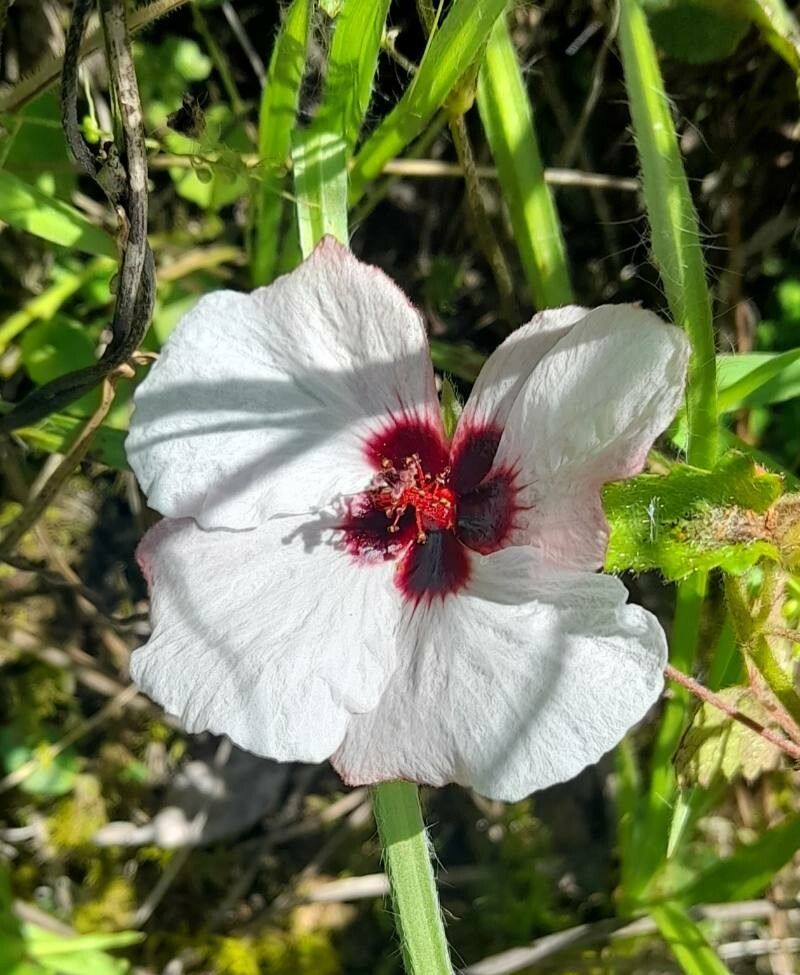
Well hello there, fellow plant lover! It’s so wonderful to have you join me today. I’m itching to talk about a plant that has truly charmed me over the years: Pavonia glechomoides. You might know it by its common name, the “Pigeon Wing Pavonia” or sometimes the “Blue Bell Pavonia.” It’s a gorgeous thing, with delicate, saucer-shaped blue flowers that are an absolute magnet for pollinators. And the way its leaves flutter in the breeze? Pure delight.
Now, I know some plants can be a bit finicky, but I’m happy to report that propagating Pavonia glechomoides is actually quite forgiving. Even if you’re just dipping your toes into the world of propagation, you can achieve wonderful results with this beauty. It’s incredibly rewarding to take a small snippet from your existing plant and watch it grow into a whole new, blooming specimen. It’s like magic, right in your own home!
The Best Time to Start
For the absolute best chance of success, I always recommend propagation during the active growing season. This generally means late spring through early to mid-summer. When the plant is full of vigor and putting out new growth, it has the energy to set roots much more readily than it does during its dormant period. You’ll be looking for healthy, semi-ripe stems – not old and woody, and not brand new and super soft.
Supplies You’ll Need
Gathering everything before you start makes the whole process so much smoother. Here’s what I always have on hand:
- Sharp pruning shears or a clean knife: For taking clean cuts, which is crucial.
- Small pots or seed trays: Clean ones are a must to prevent disease.
- A good quality potting mix: I like a blend that’s light and well-draining. A mix of peat moss, perlite, and a bit of compost usually does the trick. You can also find specific perlite mixes for cuttings.
- Rooting hormone (optional but recommended): This really gives your cuttings a boost. I use a powder formulation.
- Watering can with a fine rose attachment: To gently water your new cuttings.
- Plastic bags or a propagator lid: To create a humid environment.
- Labels and a marker: To keep track of what you’ve planted where!
Propagation Methods
Pavonia glechomoides is wonderfully versatile. My favorite, and the one I usually have the most success with, is taking stem cuttings.
Stem Cuttings: A Step-by-Step Guide
- Select your parent plant: Choose a healthy, non-flowering stem from your mature Pavonia. You’re looking for a stem that’s about 4-6 inches long.
- Make the cut: Using your clean shears or knife, make a clean cut just below a leaf node. This is a joint where a leaf attaches to the stem, and it’s where roots are most likely to form.
- Prepare the cutting: Gently remove any lower leaves that might rot if they were to touch the soil. You want to leave just a few leaves at the very top to help with photosynthesis. If the leaves are quite large, you can even cut them in half horizontally.
- Apply rooting hormone (if using): Dip the cut end of the stem into your rooting hormone. Tap off any excess – you don’t need a thick coating.
- Plant the cutting: Fill your small pot with your prepared potting mix. Gently make a small hole in the center with your finger or a pencil. Carefully insert the cutting into the hole, ensuring it’s firm enough to stand upright.
- Water gently: Water the soil thoroughly with your fine-rose watering can until the water runs out of the drainage holes.
- Create humidity: This is key! Cover the pot with a clear plastic bag (making sure the leaves don’t touch the sides) or place it inside a propagator with a lid. This traps moisture and creates the humid environment cuttings need to survive before they develop roots.
- Place in a warm spot: Find a bright spot with indirect light. Avoid direct sunlight, as this can scorch the delicate cuttings.
Water Propagation (for the impatient!)
If you’re really eager to see some action, Pavonia glechomoides can also be propagated in water, though I find stem cuttings in soil give stronger plants long-term.
- Take a stem cutting as described above.
- Remove all leaves except the top two or three.
- Place the cutting in a jar or glass of clean water.
- Ensure that no leaves are submerged in the water. This is critical to prevent rot.
- Place the jar in a bright location with indirect light.
- Change the water every few days to keep it fresh.
- You should start to see tiny roots forming within a few weeks. Once the roots are about an inch long, you can carefully pot them up into soil.
The “Secret Sauce” (Pro Tips)
I’ve learned a few little tricks along the way that can make all the difference.
- The power of bottom heat: If you have the space and the means, placing your pots on a heated propagator mat can dramatically speed up root development. It mimics the warmth of the soil in spring and encourages those roots to get going.
- Don’t overwater, but keep it moist: This is a tricky balance. Cuttings need consistent moisture, but they really hate sitting in soggy soil, which leads to rot. I check mine daily by feeling the weight of the pot or gently touching the soil surface. If it feels dry, it’s time for a drink.
- Patience is a virtue (and good ventilation helps): It can take several weeks, sometimes even a couple of months, for cuttings to root. Try to resist the urge to pull them up and check! Once you see new leaf growth, that’s a good sign that roots have formed. Also, if you notice any signs of mold or disease, open up the propagator briefly to allow for some air circulation.
Aftercare & Troubleshooting
Once your cuttings have rooted, you’ll want to gradually acclimatize them to life outside their humid bubble.
- Uncover gradually: Over a week or two, remove the plastic bag or propagator lid for longer periods each day. This helps the new plant adjust to lower humidity.
- Pot up: Once they have a good root system, you can carefully transplant them into slightly larger pots. Continue to use a well-draining potting mix.
- Watering: Water as you would your mature Pavonia, allowing the soil to dry out slightly between waterings.
- Signs of Failure: The most common problem is rot, which usually shows up as a mushy, blackened stem at the soil line. This is often due to overwatering or poor air circulation. If you see this, unfortunately, the cutting is likely lost. Another sign of a struggling cutting is wilting that doesn’t recover, even when watered. Sometimes, despite your best efforts, a cutting just won’t take. Don’t get discouraged!
A Little Encouragement
Honestly, propagating plants is such a joy. It’s a practice in patience and observation. Don’t be afraid to experiment, and remember that every plant is an individual. If one cutting doesn’t make it, there’s always another chance. Enjoy the process, celebrate the little victories, and soon you’ll have a garden full of your own beautiful Pavonia glechomoides! Happy growing!
Resource:
https://identify.plantnet.org/k-world-flora/species/Pavonia%20glechomoides%20A.St.-Hil./data