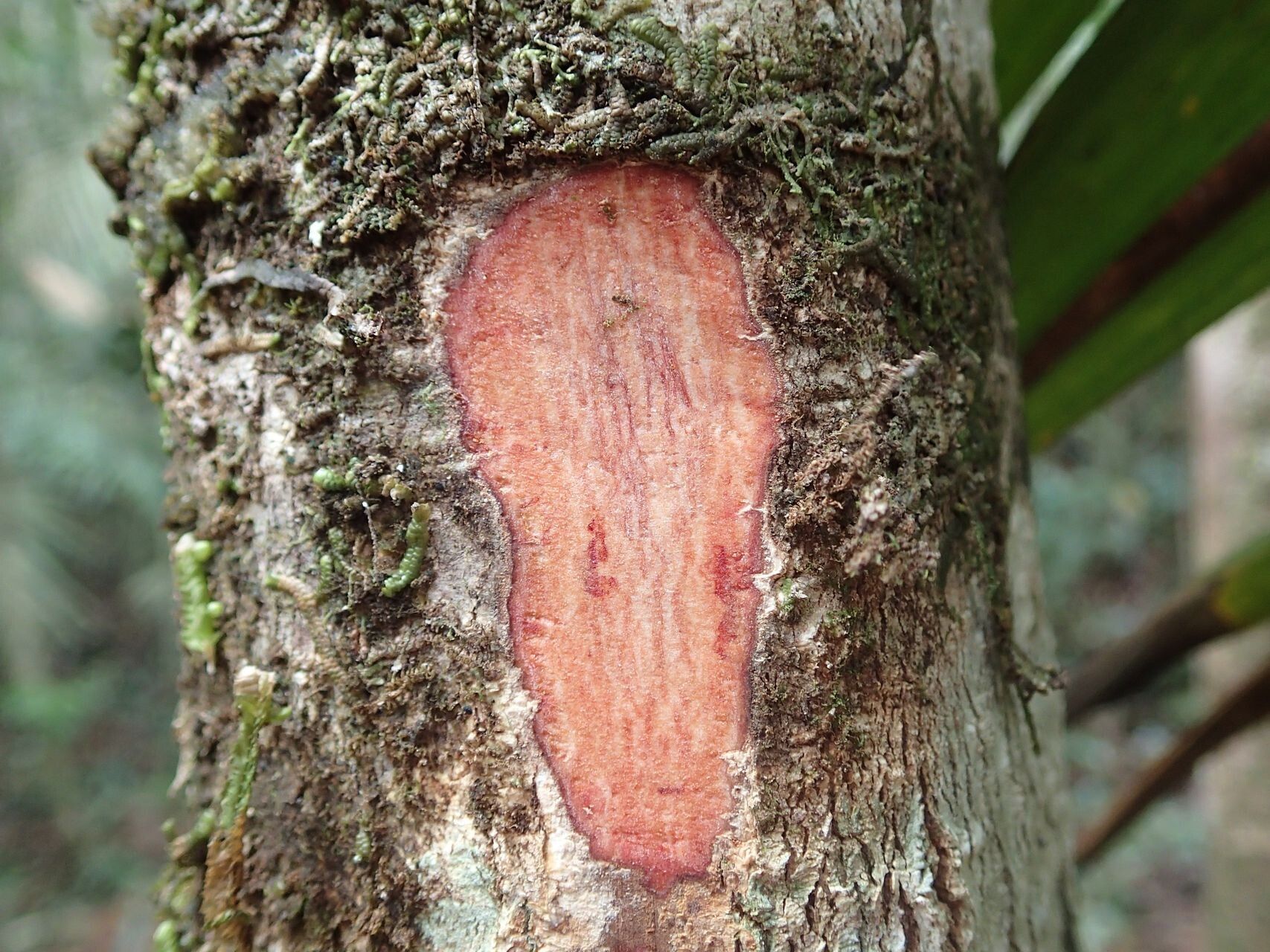
Hello fellow garden enthusiasts! It’s so lovely to have you here. Today, we’re diving into the world of Myrsine lanceolata, often known as the Cape Lancewood. This beauty, with its striking lance-shaped leaves and often glossy, dark evergreen foliage, brings such a wonderful architectural element and a touch of the wild to any garden. I’ve had Myrsine in my own beds for years, and it always gets compliments.
Thinking about adding more of these charmers to your collection or sharing them with friends? Propagating Myrsine lanceolata is a truly rewarding endeavor. It’s not overly difficult, but it does require a little care and attention. I’d say it’s a project that’s perfect for the adventurous beginner or the seasoned planter looking for a satisfying challenge.
The Best Time to Start
For the highest success rate, late spring to early summer is your sweet spot. This is when the plant is actively growing, putting on new shoots. We want to take cuttings from stems that are semi-hardwood. This means they’ve started to mature and firm up a bit, but they’re not old and woody. Think of it as being firm to the touch but not brittle.
Supplies You’ll Need
Here’s what I usually have on hand when I’m ready to propagate:
- Sharp Pruning Shears or a Clean Knife: Essential for making clean cuts.
- Rooting Hormone: While not always strictly necessary for Myrsine, it can give your cuttings a real boost. I prefer the powder form.
- Rooting Medium: A light, well-draining mix is key. I often use a 50/50 blend of perlite and peat moss, or sometimes coarse sand mixed with compost. Avoid heavy garden soil.
- Small Pots or Seed Trays: Clean ones are important to prevent disease.
- Plastic Bags or Propagation Dome: To create a humid environment.
- Labels and a Marker: To keep track of what you’ve planted and when.
- Watering Can with a Fine Rose: For gentle watering.
Propagation Methods: Taking Stem Cuttings
This is my go-to method for Myrsine lanceolata. It’s reliable and gives you the best chance of success.
- Select Your Cuttings: Head out to your plant and identify those semi-hardwood stems. Look for last year’s growth that has produced new, slightly softer shoots. You want cuttings that are about 4-6 inches long.
- Make the Cut: Using your clean shears or knife, make a clean cut just below a leaf node. A leaf node is where a leaf attaches to the stem. This is where the plant’s rooting hormones are most concentrated.
- Prepare the Cuttings: Gently remove the leaves from the lower half of the cutting. You want to expose about two nodes. If the remaining leaves are very large, you can cut them in half to reduce water loss through transpiration.
- Apply Rooting Hormone: Dip the cut end of the stem into your rooting hormone, tapping off any excess.
- Plant Your Cuttings: Fill your clean pots with your prepared rooting medium. Using a pencil or your finger, make a hole deep enough to insert the leafless end of your cutting into the medium. Gently firm the medium around the base of the cutting to ensure good contact.
- Water Gently: Water the medium thoroughly but gently. You want it moist, but not waterlogged.
- Create Humidity: Place a clear plastic bag over the pot, securing it with a rubber band or placing it over a propagation dome. This traps moisture and creates that vital humid environment for the cuttings to root. You can also use individual bags over each pot.
- Placement: Put your pots in a bright spot, but out of direct, hot sun. A greenhouse, cold frame, or even a bright windowsill is perfect.
The “Secret Sauce” (Pro Tips)
Here are a few things I’ve learned over the years that can really make a difference:
- Don’t Let the Leaves Touch the Water: If you’re attempting water propagation (which I’m less keen on for Myrsine but some have success), make sure NO leaves are submerged. Rot sets in super fast otherwise. With stem cuttings, this means trimming off lower leaves is crucial.
- Bottom Heat is Your Friend: If you have a heat mat designed for propagation, using it under your pots can significantly speed up the rooting process. It mimics the warmth of spring soil and encourages the root hormones to get to work.
- Don’t Overwater: This is probably the most common mistake. The rooting medium should be consistently moist, like a wrung-out sponge, not soggy. Too much water will lead to rot, which is the kiss of death for cuttings.
Aftercare & Troubleshooting
Once you see new leaf growth on your cuttings, that’s a fantastic sign they’re starting to root! It usually takes anywhere from 4-10 weeks, depending on the conditions.
- Acclimatization: Once you see roots, it’s time to start gradually introducing your cuttings to less humid conditions. Loosen the plastic bag for a few hours each day, then remove it entirely over a week or so.
- Transplanting: When your cuttings have a good root system (you can sometimes tell by gently tugging – there will be resistance), it’s time to transplant them into small pots with a good quality potting mix.
- Common Problems: The biggest issue you’ll likely encounter is rot. If you see the stem turning black or mushy at the base, it’s usually a sign of overwatering or a lack of air circulation. Unfortunately, rotten cuttings rarely recover. Brown, crispy leaves can indicate the air is too dry or the plant is getting too much direct sun.
A Little Patience Goes a Long Way
Embarking on the propagation journey is one of the most fulfilling aspects of gardening. It connects you more deeply with your plants and allows you to share their beauty. Be patient with your Myrsine lanceolata cuttings. Even if you don’t have success with every single one, celebrate the ones that do thrive. Enjoy the process, learn from your experiences, and happy gardening!
Resource:
https://identify.plantnet.org/k-world-flora/species/Myrsine%20lanceolata%20Pancher%20&%20Sebert/data