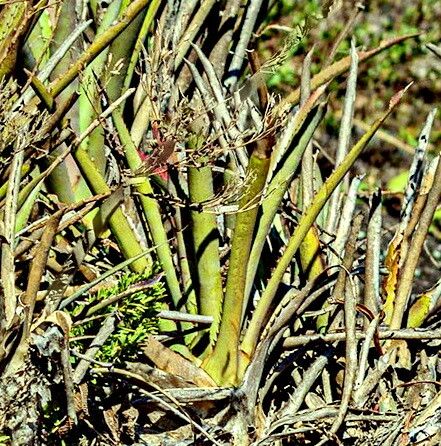
Hello there, fellow plant lovers! I’ve found that there’s something truly special about creating new life from an existing plant. It’s a little act of magic, really. And when it comes to Hippeastrum morelianum, a spectacular amaryllis relative with those gorgeous, often ruffled, blooms, propagating it is a wonderfully rewarding endeavor.
Now, I know some plants can feel a bit intimidating to propagate, but with Hippeastrum morelianum, I’d say it’s moderately easy. Don’t let that deter you! With a little patience and the right approach, you’ll be well on your way to a whole collection of these beauties.
The Best Time to Start
For the highest success rate, I always aim to propagate Hippeastrum morelianum in the late spring or early summer. This is when the plant is actively growing after its flowering period and has the most energy stored in its bulbs to fuel new growth and root development. You’ll want to wait until the plant has finished blooming and the foliage is still green and vigorous.
Supplies You’ll Need
Gathering your supplies beforehand makes the whole process so much smoother. Here’s what I usually have on hand:
- Well-draining potting mix: A blend of peat moss, perlite, and coarse sand works wonders. Alternatively, a good quality cactus or succulent mix is a great base.
- Sharp pruning shears or a clean knife: For making precise cuts and avoiding ragged edges.
- Rooting hormone (optional but recommended): This helps encourage faster and stronger root formation, especially for cuttings.
- Small pots or trays: Clean, individual pots or seedling trays are ideal for starting new propagations.
- Watering can with a fine rose: For gentle watering.
- Clear plastic bag or propagation dome: To maintain humidity for cuttings.
- Labels: So you don’t forget what you planted where!
- Bottom heat source (optional): A heating mat can significantly speed up root development.
Propagation Methods
The most reliable way to propagate Hippeastrum morelianum is through bulb division. While you can try creating offsets from leaf cuttings, it’s a much slower and less dependable method for this particular plant. Let’s focus on the surest route to success!
Bulb Division:
This is essentially separating the “baby” bulbs that grow from the mother bulb.
- Gently excavate the bulb: Carefully remove the entire Hippeastrum morelianum bulb from its pot. You might need to loosen the soil around the edges with a trowel or even gently wash away some of the soil to get a good look.
- Inspect for offsets: Look for smaller bulbs (offsets) that are attached to the main bulb. They will have their own basal plate where roots will emerge. You’ll know it’s an offset if it’s a distinct, smaller bulb form distinct from the main bulb’s layers.
- Separate the offsets: Using your sharp pruning shears or a clean knife, carefully cut the offset away from the mother bulb. Try to get as much of the basal plate of the offset as possible, as this is where the roots will grow. If an offset is already showing roots, that’s a great sign!
4
Resource:
https://identify.plantnet.org/k-world-flora/species/Hippeastrum%20morelianum%20Lem./data