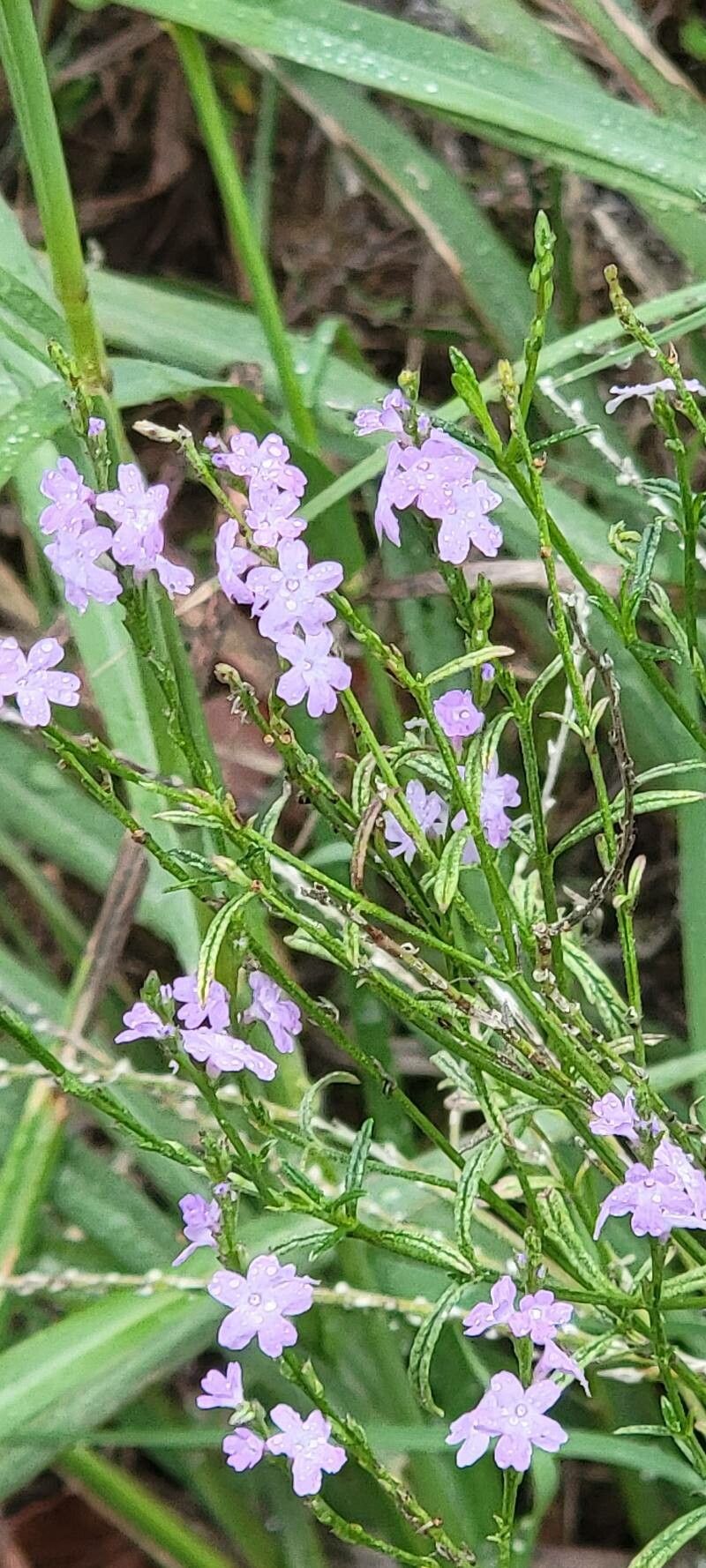
Oh, Verbena! If you’re drawn to those trailing cascades of vibrant color, you’re not alone. I’ve spent many a morning with my coffee, admiring the sheer tenacity and beauty of these flowers. They just seem to bloom with such enthusiasm, don’t they? Getting more of these beauties for yourself through propagation is a truly satisfying endeavor. And the great news? If you’re just dipping your toes into the gardening world, Verbena is a wonderfully beginner-friendly plant to practice on. You’ll be amazed at how easy it can be to multiply your garden delights!
The Best Time to Start Your Verbena Journey
For the highest chances of success, spring is absolutely your best friend when it comes to propagating Verbena. Think about it: the plants are bursting with new growth, full of energy, and ready to put down roots with gusto. Aim for late spring or early summer, after the last frost has passed and the plant is actively growing. This gives your new cuttings plenty of time to establish before the heat of summer really sets in or the cool weather arrives.
Supplies You’ll Need for Success
Gathering your tools beforehand makes the whole process smooth sailing. Here’s what I always like to have on hand:
- Sharp Pruning Shears or a Clean Knife: For taking nice, clean cuttings. Dull tools can crush stems and invite disease.
- Rooting Hormone (Optional but Recommended): Especially for stem cuttings, this stuff is like a little boost for your plant babies.
- Well-Draining Potting Mix: A good blend of potting soil, perlite, and maybe some vermiculite works wonders. You want good aeration!
- Small Pots or Seed Trays: Clean ones, please! Old yogurt containers with drainage holes poked in the bottom work in a pinch, too.
- Watering Can with a Fine Rose: For gentle watering.
- Plastic Bag or Humidity Dome: To keep the humidity high around your cuttings.
- Labels and a Marker: Trust me, you’ll want to know which plant is which!
Propagation Methods: Let’s Get Growing!
Verbena is quite adaptable, and I’ve had great luck with a couple of methods.
Method 1: Stem Cuttings (My Personal Favorite!)
This is usually the most straightforward way to multiply your Verbena.
- Select Healthy Stems: Look for non-flowering stems that are about 4-6 inches long. They should be firm but not woody. Gently bend a stem; if it snaps cleanly, it’s a good candidate.
- Make the Cut: Using your sharp shears or knife, make a clean cut just below a leaf node. This is where new roots are most likely to form. Remove the leaves from the bottom half of the cutting.
- Dip and Plant: If you’re using rooting hormone, dip the cut end into it now. Then, carefully insert the cutting into your prepared potting mix. Make sure there’s good contact between the stem and the soil.
- Water Gently: Give your cuttings a light watering.
- Create a Humid Environment: Cover the pot or tray with a plastic bag or humidity dome. This is crucial for preventing the cuttings from drying out.
Method 2: Water Propagation (Quick & Satisfying!)
This method is fun because you can see the roots developing.
- Take Cuttings: Follow steps 1 and 2 from the stem cutting method.
- Place in Water: Remove all but the top couple of leaves, and place the cuttings in a jar or glass of clean water. Make sure the leaf nodes you removed are submerged, but don’t let any leaves touch the water. Leaves sitting in water will just rot.
- Find a Bright Spot: Place the jar in a bright, indirect light location.
- Change Water Regularly: Change the water every few days to keep it fresh and prevent bacterial growth.
- Plant When Ready: Once you see nice, sturdy roots forming (usually about an inch long), you can carefully transplant them into pots with soil.
The “Secret Sauce”: My Insider Tips
Here are a couple of things I’ve learned over the years that really make a difference.
- Bottom Heat is Your Friend: For stem cuttings, placing your pots on a gentle heating mat can significantly speed up root development. It mimics the warmth of spring soil and encourages those roots to get moving. It’s not strictly necessary, but it’s a real game-changer for me, especially if my propagation area is a bit cool.
- Don’t Overwater: This is probably the most common mistake beginners make. Cuttings are delicate, and too much water can lead to root rot, which is unforgiving. Ensure your soil is moist, not soggy. If you’re using the plastic bag method, you might only need to water once initially, as the condensation will keep things humid. I often check the soil moisture by sticking my finger a little ways in.
Aftercare & Troubleshooting: Nurturing Your New Sprouts
Once you start seeing new growth on your cuttings, it’s a wonderful sign that roots are forming!
- Gradual Acclimation: When roots are established, slowly begin to acclimate your new plants to less humid conditions. If you used a plastic bag, start by opening it for a few hours each day.
- Gentle Watering: Continue to water gently, allowing the soil to dry out slightly between waterings.
- Patience is Key: Don’t rush to transplant them into larger pots until they’ve developed a decent root system.
Now, what if things go wrong? The most common issue is rot. If your cutting looks mushy or develops black spots, it’s likely due to too much moisture and not enough air circulation. Unfortunately, rotted cuttings usually can’t be saved. The best thing to do is to discard them and try again, paying close attention to watering and making sure your soil drains well. Sometimes, cuttings simply fail to root, and that’s okay too! Gardening is all about learning and adapting.
A Warm Encouragement to Keep Going
Remember, every experienced gardener you admire started right where you are. The process of propagation is a beautiful dance with nature, a chance to witness life springing forth. Be patient with your Verbena, celebrate every little leaf and every root that appears, and most importantly, enjoy the journey. You’re nurturing new life, and that’s a truly wonderful thing. Happy gardening!
Resource:
https://identify.plantnet.org/k-world-flora/species/Verbena%20halei%20Small/data