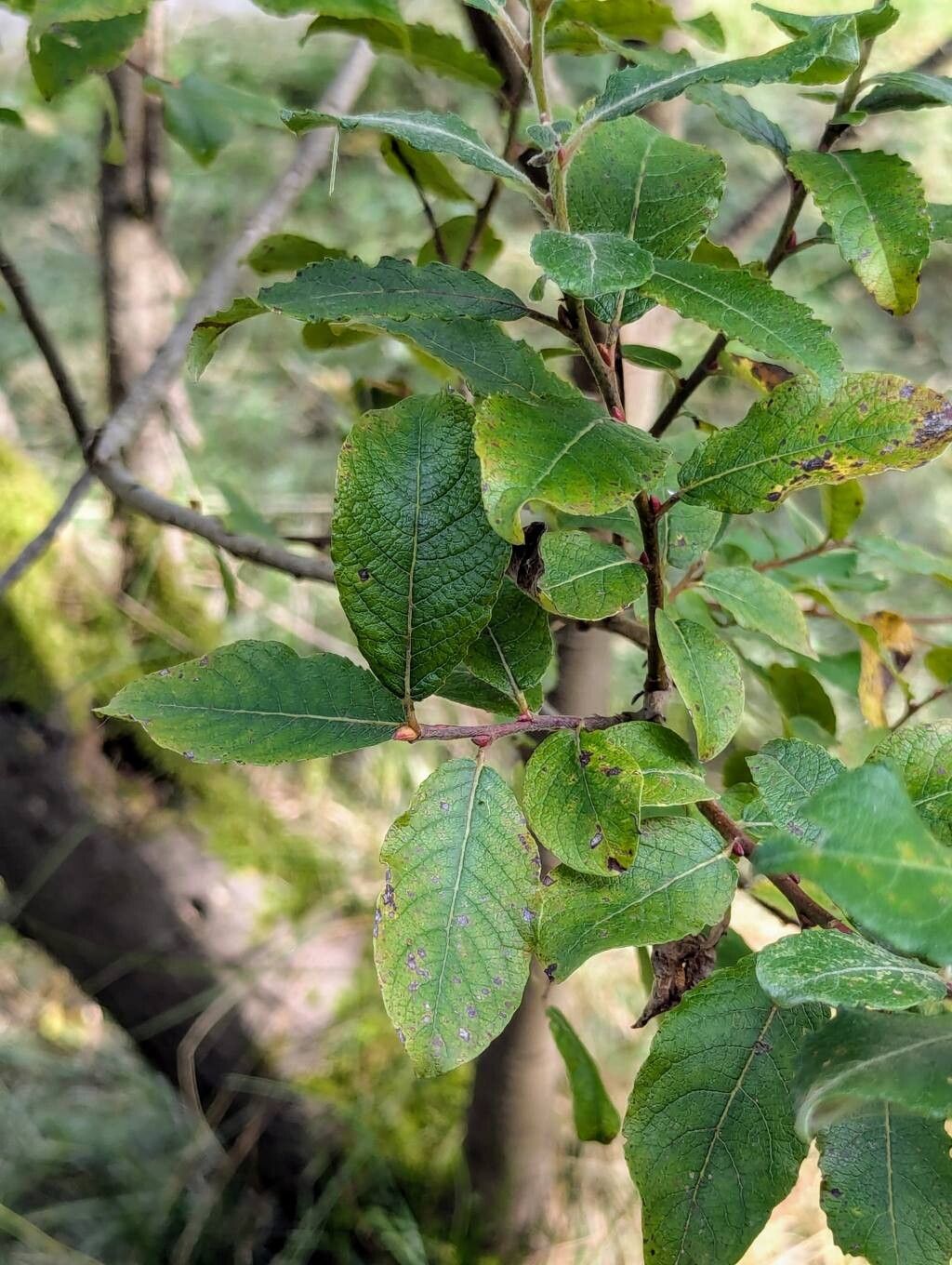
Oh, hello there! It’s so lovely to have you join me today. We’re going to dive into something I’m particularly fond of: Salix aegyptiaca, or the Egyptian Willow. You know, those gorgeous willows with their almost fuzzy, silvery-green leaves and those wonderfully unique, catkin-like blooms in early spring? They really have a way of brightening up the garden, especially when everything else is just starting to wake up.
Propagating them is a joy. It’s like creating little miracles right in your own backyard. And the best part? It’s a fantastic way to share this beauty with friends or to simply fill more corners of your own garden without breaking the bank. For those of you just dipping your toes into the world of plant propagation, I’d say Salix aegyptiaca is a pretty beginner-friendly plant to practice with. You’ll feel like a pro in no time!
The Best Time to Start
Timing is everything in the garden, and for our Egyptian Willow, the sweet spot is definitely late spring to early summer. This is when the plant is actively growing, and the stems are typically soft enough to root easily, but not so young and tender that they’ll just wilt away. You’re looking for current season’s growth that’s well-established but still a bit flexible. Think of it as grabbing a piece of lively, vibrant growth – that’s where the potential for new life really is.
Supplies You’ll Need
Gathering your tools beforehand makes the whole process smooth sailing. Here’s what I always have on hand:
- Sharp Pruning Shears or a Knife: Clean cuts are crucial! Disinfect them with rubbing alcohol before and after.
- Rooting Hormone (Optional but Recommended): A little sprinkle can really give your cuttings a boost. Look for one specifically for softwood cuttings.
- Potting Mix: A light, well-draining mix is best. I like a blend of peat moss or coco coir and perlite (about a 50/50 ratio). You can also buy specialized cutting mixes.
- Small Pots or Trays: Clean containers with drainage holes are a must.
- Watering Can with a Fine Rose: Gentle watering is key.
- Plastic Bags or Clear Domes: To create a mini-greenhouse effect and keep humidity up.
- Labels: Because trust me, you will forget what you planted where!
Propagation Methods
Let’s get our hands dirty! My favorite method for Salix aegyptiaca is stem cuttings. It’s straightforward and usually yields great results.
Stem Cuttings:
- Take Your Cuttings: With your clean shears, select several healthy, non-flowering shoots from your established plant. You want pieces that are about 6 to 10 inches long. Make your cuts just below a leaf node (where a leaf attaches to the stem).
- Prepare the Cuttings: Gently remove the leaves from the bottom half of each cutting. You can even carefully strip away a sliver of bark from the bottom inch of the stem – this can encourage rooting.
- Apply Rooting Hormone: Dip the bottom end of each cutting into your rooting hormone, tapping off any excess.
- Plant Your Cuttings: Fill your pots or trays with your potting mix. Use a pencil or your finger to poke a small hole in the center of each pot. Insert the bottom end of your cutting into the hole, ensuring at least two leaf nodes are buried in the soil. Gently firm the soil around the cutting.
- Water Gently: Water thoroughly until you see water draining from the bottom.
- Create Humidity: Cover each pot loosely with a plastic bag, or place the pots under a clear dome. Make sure the leaves don’t touch the plastic if possible, as this can lead to rot. You want to create a humid environment for the cuttings.
Water Propagation (A simpler variation):
If you’re feeling adventurous or just want to watch the magic happen, you can try water propagation. Take your prepared cuttings (without the rooting hormone, as it doesn’t dissolve well in water). Place them in a jar or glass of clean water, ensuring the bottom leaf nodes are submerged. Place it in a bright spot, out of direct sunlight. Change the water every few days to keep it fresh. You should see roots forming within a few weeks. Once the roots are a couple of inches long, you can pot them up into your soil mix.
The “Secret Sauce” (Pro Tips)
Here are a couple of things I’ve learned over the years that often make a big difference:
- Bottom Heat is Your Friend: If you have a seedling mat or can place your pots in a warm spot (but not scorching hot!), it really encourages root development. Think of it like warming up the soil from below, giving those nascent roots an extra nudge.
- Don’t Overwater, but Don’t Let Them Dry Out: This is a delicate balance. The soil should be consistently moist but not soggy. Soggy soil is the fast track to rot. Check the soil moisture regularly by gently poking your finger into it.
- Patience, Young Grasshopper: Willow roots can sometimes take their sweet time to appear. Don’t get discouraged if you don’t see anything happening for several weeks. Keep that humidity up and the moisture level just right.
Aftercare & Troubleshooting
Once your cuttings have developed a good root system – you’ll know because you’ll see new leafy growth appearing at the tip – it’s time for a bit more focused care.
Gradually Acclimate: Before you remove the humidity dome or plastic bag permanently, start by taking it off for a few hours each day. This helps your new little plants adjust to the drier air.
Move to Brighter Light: Once they’re settled, you can move them to a brighter spot, but still avoid direct, harsh sun initially. Think of dappled shade or bright, indirect light.
Start Feeding (Lightly): Once they’re actively growing and have been potted up for a few weeks, you can start feeding them with a diluted liquid fertilizer once a month.
Troubleshooting: The most common issue you’ll face is rot. If a cutting starts to turn mushy or black, it’s likely succumbed to rot. Ensure your drainage is good and that the soil isn’t waterlogged. If you see mold growing, improve air circulation. Sometimes, a cutting just doesn’t take – that’s part of the process, and it’s okay! Just move on to your next attempt.
A Gentle Encouragement
Propagating plants is a wonderful way to connect with nature and to understand the life cycles of the plants we adore. Don’t be afraid to experiment, and try not to get too discouraged if a batch doesn’t take. Every gardener has had less-than-perfect results! Enjoy the process, celebrate the successes, and before you know it, you’ll have a whole collection of beautiful Egyptian Willows to admire. Happy propagating!
Resource:
https://identify.plantnet.org/k-world-flora/species/Salix%20aegyptiaca%20L./data