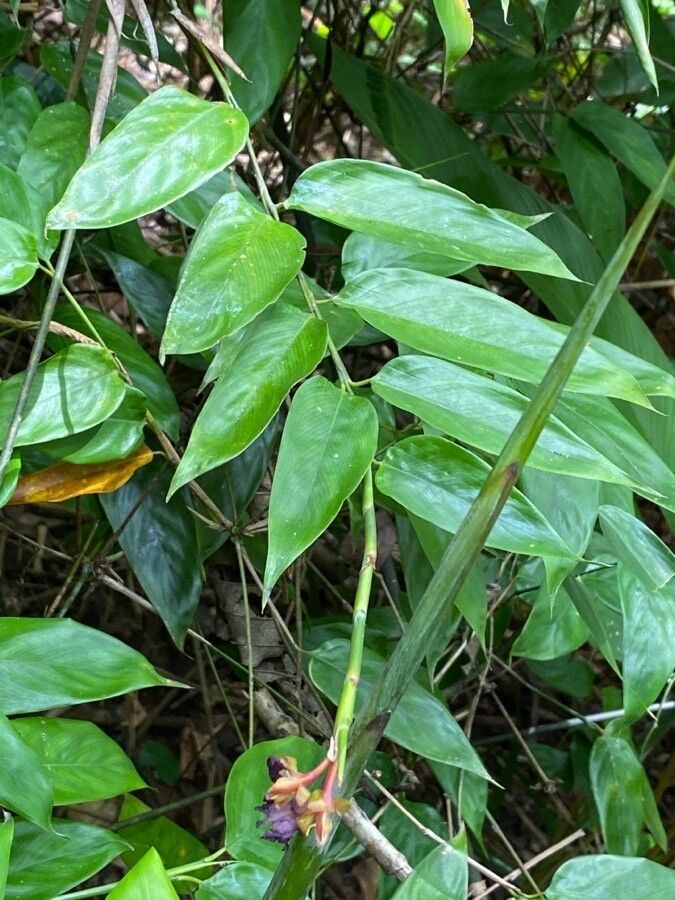
Oh, Ischnosiphon gracilis! If you’ve ever seen this beauty gracing a sun-dappled corner of a greenhouse or a stylish home, you know the magic it brings. With its elegant, upright stems and the subtle sway of its lance-shaped leaves, it’s like a living sculpture. And the best part? You can easily bring that magic into your own space by propagating it. It’s a truly rewarding experience, seeing a tiny piece of a plant transform into a new life.
For those of you just starting out with plant propagation, I’d say Ischnosiphon gracilis falls into the moderately easy category. It’s not quite as foolproof as a pothos, but with a little attention, you’ll be celebrating success.
The Best Time to Start
Honestly, the easiest time to get your Ischnosiphon cuttings to root is when the plant is in its most vigorous growth phase. Think late spring through summer, when the longer days and warmer temperatures really encourage new growth. You’ll want to take cuttings from healthy, active stems – not the woody, old bits, but the bright, new shoots showing good life.
Supplies You’ll Need
Here’s what I like to have on hand before I start:
- Sharp pruning shears or a clean knife: For making neat, decisive cuts.
- Small pots or propagation trays: Cleanliness is key here to prevent any nasties.
- Well-draining potting mix: I often use a blend of equal parts perlite and coco coir, or a good quality seed-starting mix. This ensures good aeration and prevents waterlogging.
- Rooting hormone (optional, but helpful): A liquid rooting hormone or powder can give your cuttings a nice head start.
- Clear plastic bag or a propagation dome: To create a mini-greenhouse effect.
- Spray bottle filled with water: For misting.
- Labels and a pen: To keep track of what you’ve planted and when.
Propagation Methods
Ischnosiphon gracilis is wonderfully amenable to a couple of propagation techniques. I find stem cuttings and division to be the most reliable.
Stem Cuttings
This is my go-to method for multiplying my collection.
- Select your cutting: Look for a healthy stem that’s about 6-8 inches long. You want there to be at least two to three nodes (the little bumps where leaves emerge).
- Make the cut: Using your sterilized pruning shears or knife, make a clean cut just below a node. This is where the roots will emerge.
- Prepare the cutting: Gently remove the lower leaves from the stem, leaving just a couple of leaves at the very top. If your top leaves are quite large, you can even cut them in half to reduce water loss.
- Apply rooting hormone (if using): Dip the cut end of the stem into your rooting hormone powder or liquid. Tap off any excess.
- Plant the cutting: Fill your small pot with your prepared, moistened potting mix. Make a small hole with your finger or a pencil. Insert the cutting into the hole, ensuring the lower nodes are buried in the soil. Gently firm the soil around the stem.
- Create the microclimate: Water the soil lightly. Then, cover the pot with a clear plastic bag or place it under a propagation dome. This humidity is crucial!
- Find a warm spot: Place the pot in a spot with bright, indirect light. Avoid direct sunlight, which can scorch the delicate cuttings.
Division
If your Ischnosiphon is already a mature, bushy plant, division is a fantastic way to get multiple new plants.
- Remove from pot: Gently take your plant out of its current container. It’s often easier to do this when the soil is slightly moist, but not soggy.
- Inspect the root ball: You’ll see that the rhizomes (underground stems) have likely grown together, forming distinct clumps.
- Separate carefully: Using your hands or a clean, sharp knife, gently pull or cut apart the root ball into sections. Aim for sections that have at least one good shoot and a healthy portion of roots.
- Pot up the divisions: Plant each division in its own pot filled with your well-draining potting mix. Water thoroughly.
- Water and light: Place the newly potted divisions in a spot with bright, indirect light and water them consistently.
The “Secret Sauce”
Here are a couple of little tricks I’ve learned over the years that really boost my success rates:
- When propagating by cuttings, don’t let the leaves touch the water if you’re water propagating. While Ischnosiphon can root in water, the leaves submerged will rot. It’s best to keep them above the waterline. For soil propagation, this isn’t an issue, but it’s worth remembering for other plants!
- Bottom heat makes a HUGE difference for stem cuttings. If you can, pop your pots onto a heat mat designed for seedlings. This gentle warmth encourages root development from below, speeding up the process considerably.
Aftercare & Troubleshooting
Once you start seeing new growth on your cuttings – especially small leaves or tiny shoots emerging from the base – that’s a great sign! It means roots are forming.
- Gradually acclimate: Once roots are established, you’ll want to slowly introduce your new plant to less humid conditions. Start by opening the plastic bag or propagation dome for a few hours a day, gradually increasing the time over a week or two.
- Watering: Keep the soil consistently moist, but not waterlogged, once roots have formed.
- Fertilizing: Wait until you see vigorous new growth before introducing a diluted liquid fertilizer.
The most common sign of failure? Rot. If your cutting turns mushy and black, or if the leaves wilt and yellow without any signs of new root growth, it’s likely succumbed to rot. This is usually due to too much moisture, poor drainage, or a lack of fresh air. If you see this, don’t despair! Just clean up your tools and your pot and try again, perhaps with a slightly drier mix or better air circulation.
Your Green Thumb Awaits!
Propagating plants like Ischnosiphon gracilis is such a wonderful journey. It teaches you patience, observation, and the sheer joy of nurturing life. Don’t be discouraged if your first attempt isn’t perfect. Every gardener has had their share of failures! Just keep trying, enjoy the process, and before you know it, you’ll be surrounded by your own beautiful Ischnosiphon creations. Happy propagating!
Resource:
https://identify.plantnet.org/k-world-flora/species/Ischnosiphon%20gracilis%20(Rudge)%20Körn./data