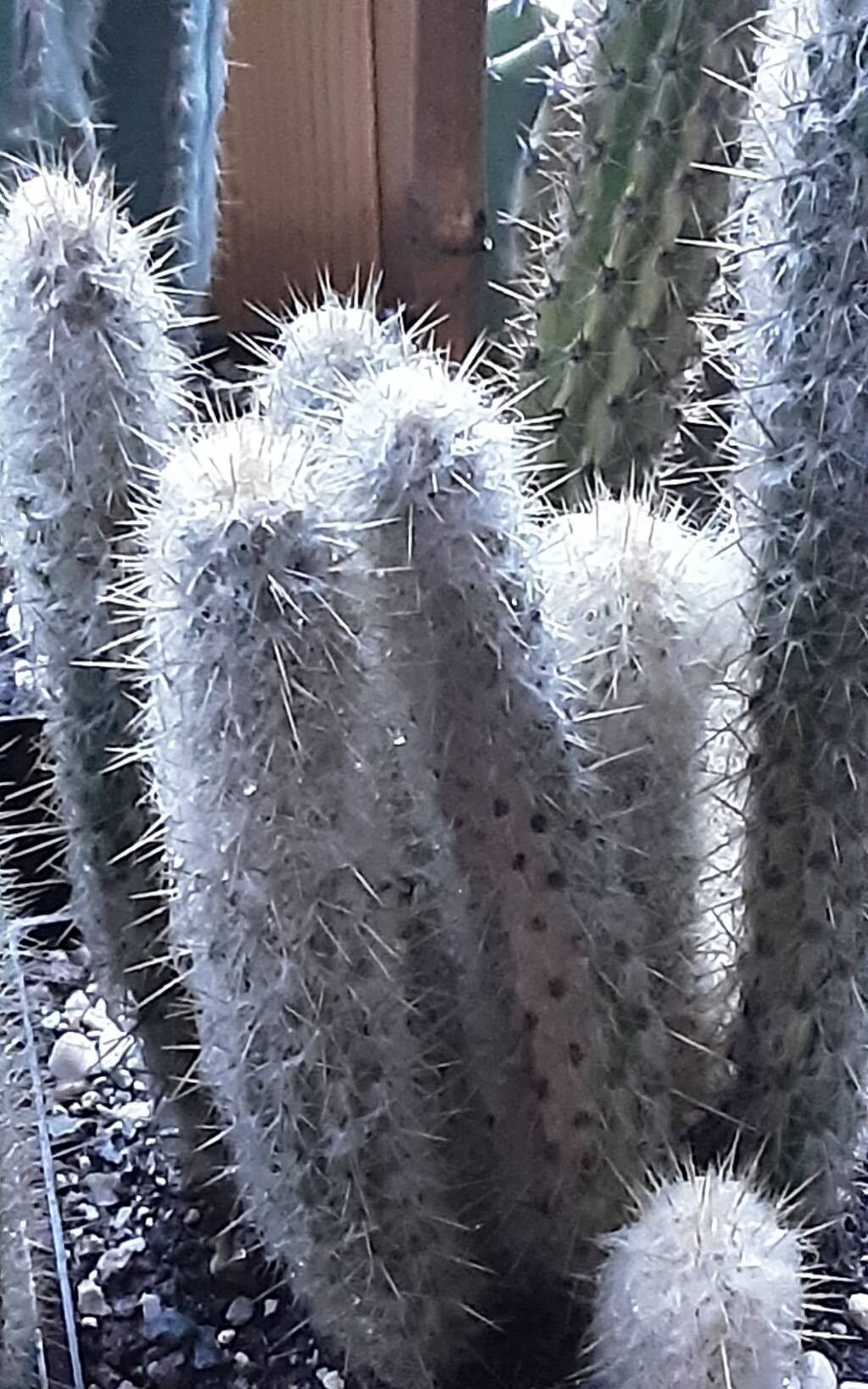
Oh, hello there! I’m so glad you’re interested in propagating Oreocereus doelzianus. These “Old Man of the Andes” cacti are just spectacular with their fuzzy, woolly growth and striking spines. Seeing a new little rosette emerge from a cutting or division is incredibly satisfying. It’s a wonderful way to get more of these beauties for yourself or to share with fellow plant lovers. Now, for beginners, I’d say propagating Oreocereus can be a bit of a learning curve, but with a little patience and these tips, you’ll be well on your way.
The Best Time to Start
The absolute best time to think about propagating your Oreocereus doelzianus is during its active growing season. For most cacti like this, that means late spring through summer. You want to see good, firm growth happening. Trying to propagate when the plant is resting in the cooler months is less likely to yield successful roots. Wait for that surge of energy the plant gets with warmer weather and longer days.
Supplies You’ll Need
Gathering your tools beforehand makes the whole process smoother. Here’s what I usually have on hand:
- Sharp, sterile pruning shears or a clean knife: Essential for making clean cuts.
- Rooting hormone (optional but recommended): A little boost can speed things up.
- Well-draining potting mix: A cactus and succulent mix is perfect. You can even add a bit of perlite or pumice for extra aeration.
- Small pots or trays: Enough to house your cuttings once they’re ready.
- Newspaper or paper towels: For letting cuttings callus.
- A spray bottle: For gentle misting.
- Gloves and tongs (optional): If you want to avoid those prickly spines!
Propagation Methods
There are a couple of reliable ways to multiply your Oreocereus collection.
Stem Cuttings: The Main Event
This is the most common and usually the most successful method.
- Take your cutting: With your sterile shears or knife, make a clean cut just below a segment you want to propagate. Aim for a segment that’s a good size, at least a few inches long.
- Let it callus: This is a CRITICAL step. Place the cut end of your segment on a layer of newspaper or paper towels in a dry, well-ventilated spot, out of direct sun. You need to let the cut end dry and form a callus – a protective scab. This usually takes anywhere from a few days to a week, sometimes longer. You’ll know it’s ready when the cut surface feels dry and firm to the touch. This prevents rot from setting in.
- Apply rooting hormone (if using): Once callused, you can dip the dried end into your rooting hormone powder. Tap off any excess.
- Plant the cutting: Fill your small pots or trays with your well-draining soil mix. Make a small hole in the center with your finger or a pencil. Gently insert the callused end of your cutting into the hole, deep enough so it stands upright but not so deep that it buries too much of the stem.
- Don’t water immediately: Resist the urge to water right away! Wait at least a few days after planting. This gives the callus another chance to seal over and helps avoid introducing moisture too soon.
Division (Less Common for this succulent, but possible with pups)
If your Oreocereus doelzianus develops any small pups or offsets at its base, you can carefully divide them.
- Gently excavate: You might need to carefully brush away some soil to expose where the pup connects to the mother plant.
- Separate: Use a clean knife or even your fingers to gently twist and pull the pup away from the main plant. Try to get as much of its base intact as possible.
- Follow the callusing step: Just like with stem cuttings, you must let the cut end of the pup callus for several days to a week before planting it in its own pot of succulent mix.
The “Secret Sauce” (Pro Tips)
Here are a few things I’ve learned over the years that really make a difference:
- Don’t overwater early on: This is probably the most common mistake people make. Cacti are desert plants; they hate soggy feet. Water very sparingly when you first plant your cuttings, just enough to slightly dampen the soil. You’re encouraging roots to search for water.
- Bottom heat helps! If you have a heat mat made for seedlings, placing your potted cuttings on it can significantly speed up root development. It mimics the warmth of the desert ground. Just keep the ambient air temperature moderate, the warmth from below is the key.
- Observe the wool: Don’t overcrowd your cuttings, especially when they’re callusing. The woolly covering is fantastic insulation and protection for the plant, but if it stays constantly damp, it can become a perfect breeding ground for all sorts of undesirable things. Good airflow is your friend!
Aftercare & Troubleshooting
Once your cuttings have been planted for a few weeks, you can start checking for roots. Gently tug on a cutting – if there’s resistance, you’ve got roots!
- Watering: Begin watering more regularly, but still only when the soil is completely dry. Stick your finger into the soil; if you feel any moisture, wait.
- Light: Place your new plants in bright, indirect light. Gradually introduce them to more direct sunlight as they establish.
- Troubleshooting – Rot: The biggest enemy is rot. If your cutting turns mushy, black, or smelly, it’s likely rotted. Unfortunately, if rot sets in, it’s usually too late to save that particular piece. The best thing you can do is remove it immediately to prevent it from spreading to other cuttings. Ensure good drainage and infrequent watering are the best preventatives.
- Troubleshooting – No Roots: If after a couple of months you don’t see any signs of rooting and the cutting still looks firm, don’t despair entirely. Sometimes they just take their sweet time. You can try a very gentle (and I mean gentle) re-potting to check the base, or just leave it and try to be patient.
A Gentle Encouragement
Propagating Oreocereus doelzianus is a rewarding journey. It teaches you patience and a deeper understanding of how these fascinating plants grow. Don’t be discouraged if your first attempt isn’t a picture-perfect success. Every garden experience is a chance to learn. Enjoy watching those tiny beginnings unfurl, and soon you’ll have a whole fuzzy family! Happy growing!
Resource:
https://identify.plantnet.org/k-world-flora/species/Oreocereus%20doelzianus%20(Backeb.)%20Borg/data