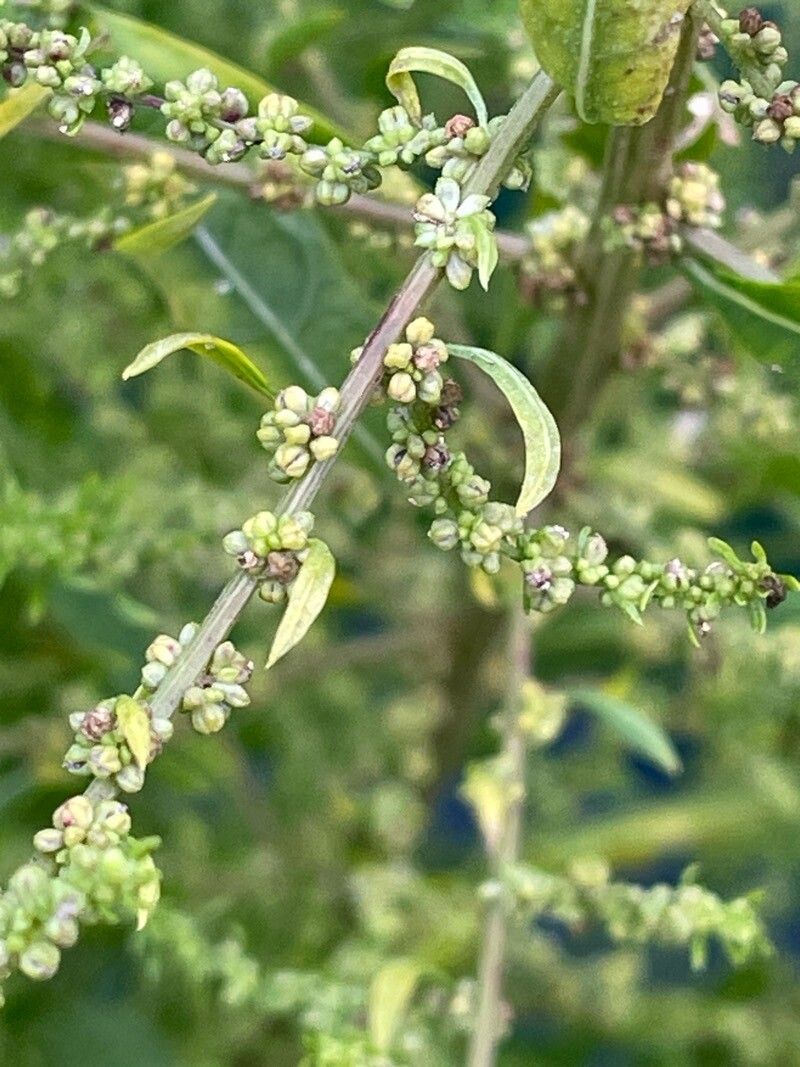
Hey there, fellow plant lovers! It’s so good to be chatting with you today. I’m thrilled to dive into a topic close to my heart: propagating Dysphania ambrosioides, or as many of us affectionately call it, Mexican Tea or Wormseed. This wonderful herb is more than just pretty; it has a rich history and a distinctive aroma that many find quite attractive. And the best part? Sharing its bounty by propagating it is a genuinely rewarding endeavor. For beginners, I’d say propagating Dysphania ambrosioides is surprisingly approachable, which is fantastic news for anyone wanting to expand their herb garden without breaking the bank. I’ve found it to be quite forgiving, which is always a plus in my book!
When is the Best Time to Get Started?
For the highest success rates with Dysphania ambrosioides, I’ve found that spring is absolutely prime time. As the days start to lengthen and the temperatures warm up, the plant hits its stride and is actively growing. This vigorous growth makes it much easier to take cuttings that are full of life and ready to root. You can also have success later into the summer, but starting in spring gives your new plants a much longer growing season to establish themselves.
What You’ll Need to Gather
Before we get our hands dirty, let’s make sure we have our toolkit ready. Here’s a handy checklist:
- Sharp, clean pruning shears or a sharp knife: Essential for making clean cuts that heal quickly.
- Well-draining potting mix: A good blend of perlite, peat moss, or coco coir works wonderfully.
- Small pots or seedling trays: Whatever you prefer for your new little plant babies!
- Rooting hormone (optional but recommended): This can give your cuttings a helpful boost.
- Watering can with a fine rose: To gently water your cuttings without displacing them.
- Clear plastic bags or a propagation dome: To create a humid environment.
Let’s Get Propagating: Stem Cuttings in Soil
This is my favorite and the most reliable method for Dysphania ambrosioides.
- Select a healthy parent plant. Look for stems that are actively growing but not flowering.
- Take your cuttings. Using your sharp shears or knife, snip a healthy stem about 4-6 inches long, just below a leaf node. A leaf node is where a leaf attaches to the stem.
- Prepare the cuttings. Gently remove the lower leaves, leaving just a few at the very top. This reduces water loss and concentrates the plant’s energy on rooting.
- Apply rooting hormone (if using). Dip the cut end into the rooting hormone, tapping off any excess.
- Pot them up. Fill your small pots with your well-draining potting mix. Make a small hole with your finger or a pencil and insert the cutting, ensuring the leaf nodes are buried. Gently firm the soil around the base.
- Water them in. Give them a good, gentle watering to settle the soil.
- Create humidity. Cover the pot with a clear plastic bag or place it under a propagation dome. This will trap moisture and keep the humidity high, which is crucial for successful rooting. You can prop up the bag with a few stakes so it doesn’t touch the leaves.
- Place them in a bright spot. They need bright, indirect light. Avoid direct sun, which can scorch them.
My “Secret Sauce” Tips for Success
Over the years, I’ve learned a few tricks that really make a difference:
- Bottom Heat is Your Friend: If you have a heat mat designed for seedlings, placing your pots on it can significantly speed up the rooting process. The warmth encourages root development from below.
- Don’t Drown Them! While humidity is key, overwatering is an easy way to lose cuttings to rot. The soil should be consistently moist, but not soggy. I like to check the moisture by poking my finger about an inch into the soil. If it feels dry, it’s time for a gentle watering.
- Patience, Young Grasshopper! This might sound simple, but it’s true. Don’t constantly yank at your cuttings to see if they have roots. You’ll know roots have formed when you see new leaf growth and perhaps a gentle tug resistance. This usually takes 3-6 weeks, but can vary.
Aftercare and What to Watch For
Once you see signs of new growth – tiny leaves unfurling – that’s your cue that roots have formed! At this stage, you can gradually acclimate your new plants to lower humidity by widening the opening of the plastic bag or lifting the dome for increasing periods each day. Once they’re sturdy and you’re confident they have a good root system, you can transplant them into slightly larger pots or their final garden location.
The main thing to watch out for is rot. If your cuttings look mushy, are yellowing drastically, or have a foul smell, it’s likely rot, usually caused by too much moisture. If you catch it early, you might be able to salvage it by repotting in drier soil and improving airflow, but sadly, sometimes they’re just too far gone. Don’t get discouraged though; even experienced gardeners lose a few!
So there you have it! Propagating Dysphania ambrosioides is a fantastic way to multiply your plants and share this wonderful herb with friends. The process itself is quite therapeutic, and the satisfaction of nurturing a new plant from a tiny cutting is truly special. Be patient, enjoy the journey, and happy gardening!
Resource: