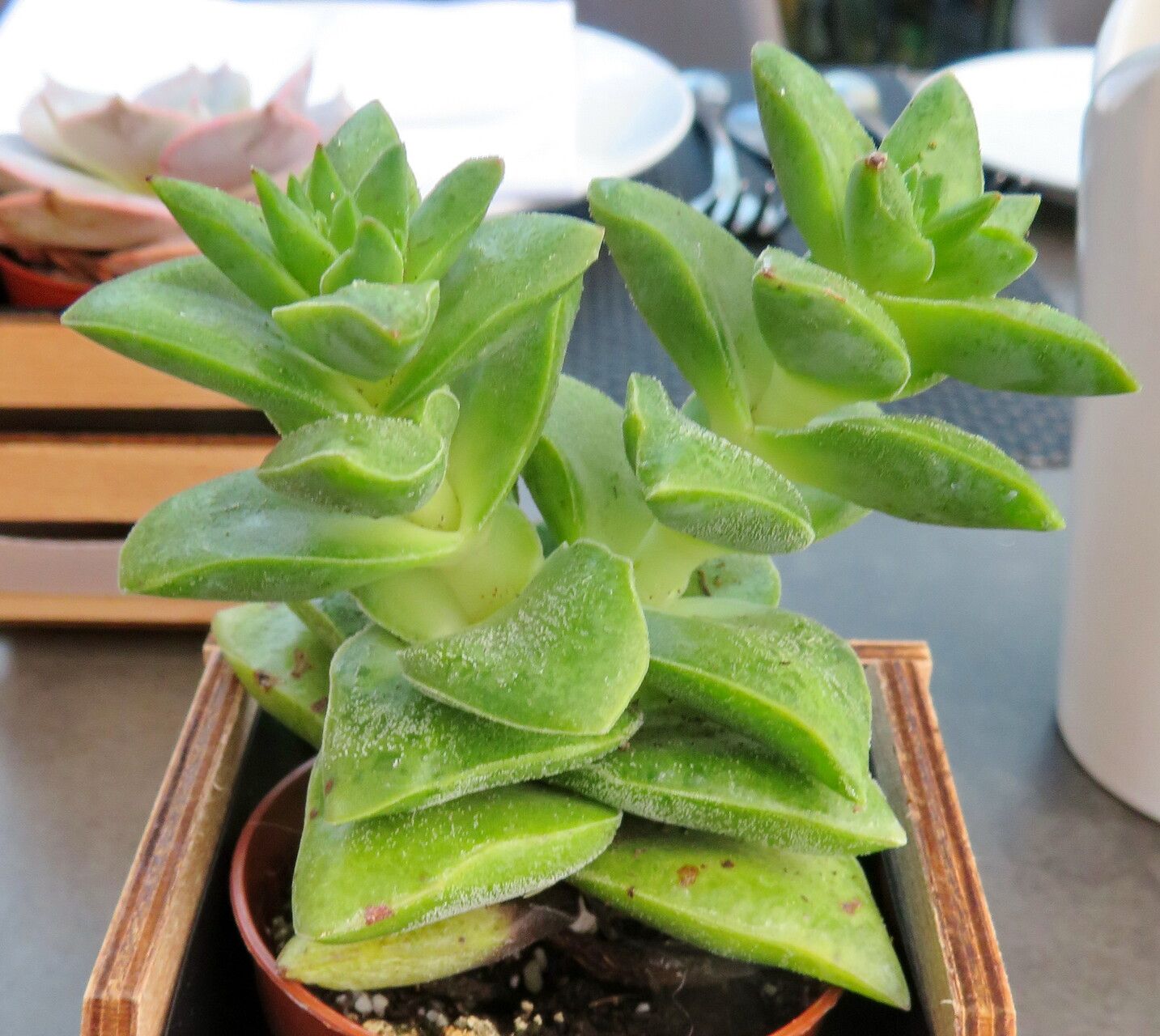
Oh, hello there! Pull up a chair. I’m so glad you’re interested in Crassula lactea. This little gem, with its soft, fuzzy leaves, is an absolute charmer. It’s like having tiny, velvety caterpillars in your garden! And the best part? Propagating it is surprisingly satisfying, and I’m happy to tell you, it’s wonderfully beginner-friendly. You’ll be swimming in new plants before you know it.
The Best Time to Start
For the highest success rates with Crassula lactea, you’ll want to propagate during its active growing season. For most of us, this means spring and early summer. The warmer temperatures and longer daylight hours give cuttings the best chance to take off. You can certainly try at other times, but you might find things move a bit slower. Patience is always a gardener’s best tool, but giving them a head start in their prime growing period is ideal.
Supplies You’ll Need
Before we dive in, let’s gather our tools. It’s not too much, but having everything ready makes the process so much smoother.
- Sharp, clean pruning shears or a sharp knife: We want clean cuts to prevent disease.
- Well-draining potting mix: A cactus and succulent mix is perfect, or you can create your own by mixing equal parts potting soil, perlite, and coarse sand.
- Small pots or seed trays: Whatever you have on hand will work, just make sure they have drainage holes.
- Rooting hormone (optional but recommended): This can give your cuttings a little boost.
- Watering can with a fine rose or spray bottle: For gentle watering.
- A sunny spot with bright, indirect light: Not direct sun for the delicate new cuttings!
Propagation Methods
Crassula lactea is a very forgiving plant when it comes to propagation. You have a couple of excellent options.
1. Stem Cuttings: The Most Reliable Way
This is my go-to method, and it’s usually the most successful for Crassula lactea.
- Take the Cutting: Using your clean shears or knife, select a healthy stem and cut it just above a leaf node. Aim for a piece that’s at least 3-4 inches long, with a few sets of leaves. I usually take cuttings from healthy, established plants, not the spindly leggy bits.
- Let it Callus: This is crucial! Place your cuttings in a dry, shaded spot for 2-3 days. You want the cut end to dry out and form a protective callus. This prevents rot when you plant it. See? A little waiting game pays off!
- Plant the Cutting: Dip the callused end into rooting hormone if you’re using it. Then, simply stick the cutting into your prepared, slightly damp potting mix. You can plant a few cuttings in the same pot, leaving a little space between them.
- Water Lightly: Give the soil a gentle watering. You don’t want to drown it, just moisten it.
2. Leaf Cuttings: A Patience Game (and a bit of luck!)
While stem cuttings are my preferred method for Crassula lactea, you can sometimes get lucky with leaves. It’s less consistent but still worth a try if you have plenty of healthy leaves to spare.
- Remove a Healthy Leaf: Gently twist off a healthy, mature leaf from the stem. Make sure you get a clean break at the stem.
- Callus: Just like stem cuttings, let the leaf callus over for a day or two.
- Lay on Soil: Place the callused end of the leaf on top of your well-draining potting mix. You can lay several leaves on the surface of a pot.
- Mist Gently: Lightly mist the soil surface every few days, keeping it just barely moist.
The “Secret Sauce” (Pro Tips)
Here are a few little tricks I’ve learned over the years that can make a big difference.
- Don’t Let Leaves Touch the Water (for water propagation): If you ever try water propagation for succulents (which I generally advise against for Crassula lactea due to rot risk), always ensure the leaves themselves are not submerged. Only the cut stem should be in the water. For lactea, stick to soil!
- Bottom Heat is Your Friend: If you’re propagating in a cooler environment or want to speed things up, placing your pots on a gentle seedling heat mat can be incredibly effective. It encourages root development without drying out the cuttings too quickly.
- Observe, Don’t Hover: It’s tempting to poke and prod your new cuttings, but resist the urge! Let them do their thing. Observing is good, but fiddling can cause stress and damage.
Aftercare & Troubleshooting
Once you see tiny roots emerging from the bottom of the pot or new growth on your cuttings, that’s your cue that things are going well!
- Gradual Acclimation: When your new plant is well-rooted and showing good growth, you can start gradually introducing it to more light. Move it to a spot with bright, indirect light and eventually, if your plant likes it, some gentle morning sun.
- Watering: Water when the soil dries out completely. It’s better to underwater than overwater at this stage. You’ll be able to tell by the weight of the pot and how the soil feels.
- Common Problems: The biggest enemy of new succulent cuttings is rot. If you see mushy, dark stems or leaves, it’s a sign of overwatering or that the cutting didn’t callus properly. Unfortunately, if rot sets in, it’s hard to save. Prevention is key!
A Gentle Encouraging Closing
Propagating Crassula lactea is a wonderful way to expand your collection and share the joy of these fuzzy beauties. Don’t be discouraged if your very first attempt isn’t perfect. Gardening is a journey, and each plant you grow teaches you something new. Be patient, enjoy the process, and celebrate each tiny new leaf that unfurls. Happy propagating!
Resource:
https://identify.plantnet.org/k-world-flora/species/Crassula%20lactea%20Aiton/data