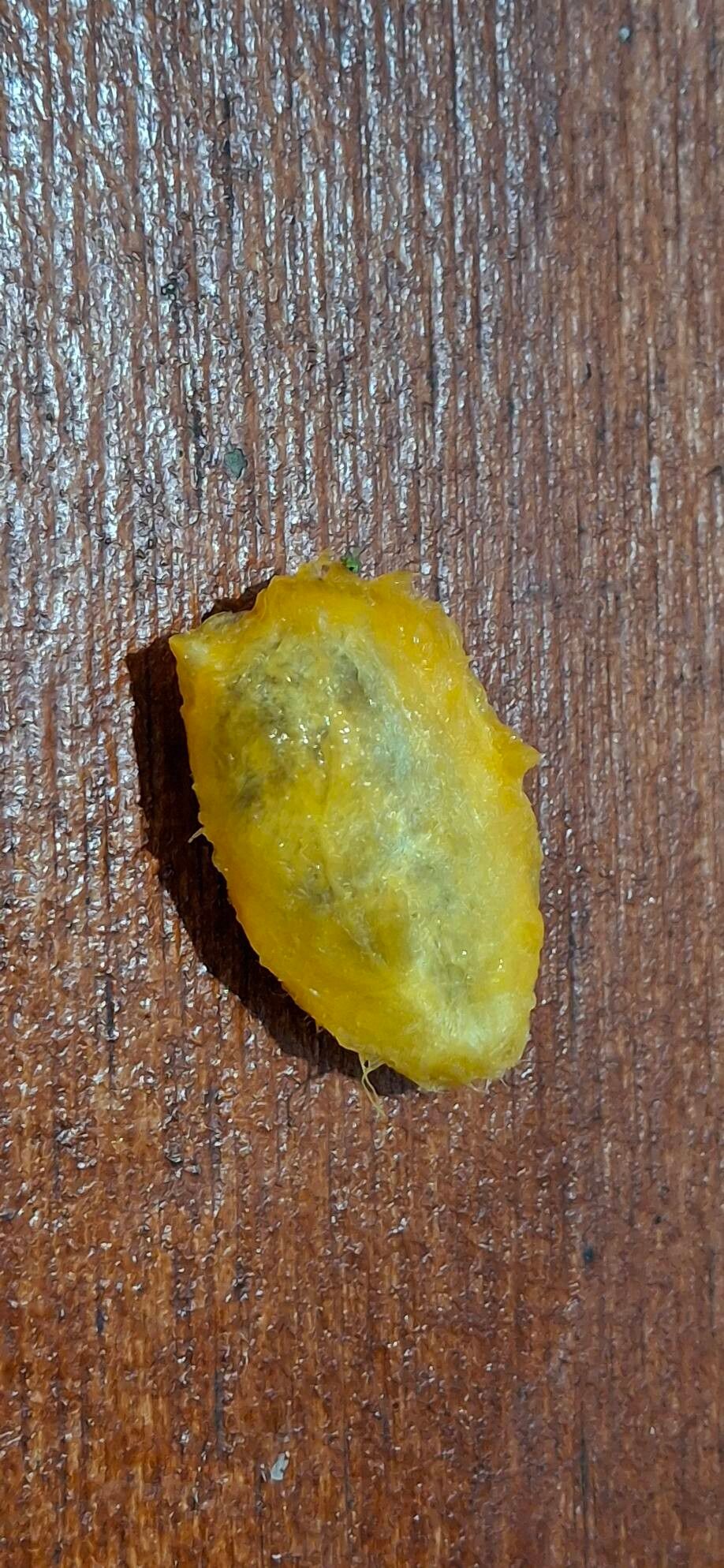
Hello there, fellow garden enthusiasts! I’m so glad you’ve stopped by. Today, we’re going to dive into something truly special: propagating Bouea oppositifolia. You know, that gorgeous plant with its attractive, glossy leaves and, for some of us lucky ones, those delicious, mango-like fruits! Growing it from scratch is such a rewarding experience, like unlocking a little bit of horticultural magic. And the best part? It’s not as daunting as you might think.
The Best Time to Start
The golden rule for propagating most woody-stemmed plants, including Bouea oppositifolia, is to take cuttings from semi-hardwood. This usually occurs in late spring to early summer, after the plant has finished its vigorous spring growth but before the new stems have fully hardened. You’re looking for stems that are flexible enough to bend without snapping, but firm enough to hold their shape.
Supplies You’ll Need
Here’s a little checklist to get you prepped. Don’t worry, it’s not much!
- Sharp, clean pruning shears or a sharp knife. Sterilize them with rubbing alcohol before you start!
- A rooting hormone powder or gel. This is like a little boost for your cuttings.
- A well-draining potting mix. I like to use a blend of 50% perlite and 50% coco coir, or a good quality seedling mix.
- Small pots or seedling trays with drainage holes.
- A clear plastic bag or a propagator with a lid to create a humid environment.
- Water, of course!
Propagation Methods
I find the stem cutting method to be the most reliable for Bouea oppositifolia. Here’s how I do it:
- Select Your Cuttings: Choose healthy, vigorous stems that are about 4-6 inches long. Look for stems with at least two sets of leaves.
- Take the Cuttings: Using your clean shears or knife, make a clean cut just below a leaf node (where a leaf attaches to the stem). This is where roots are most likely to form. Remove the bottom set of leaves.
- Apply Rooting Hormone: Dip the cut end of the stem into your rooting hormone, tapping off any excess.
- Plant the Cuttings: Make a hole in your potting mix with a pencil or your finger. Gently insert the cutting, ensuring the leaf node (where you removed the leaves) is below the soil surface. Firm the soil gently around the stem.
- Water Gently: Water the mix thoroughly but gently, so you don’t dislodge the cuttings.
- Create a Humid Environment: Place the pots in a tray and cover them with a clear plastic bag, propped up with sticks so it doesn’t touch the leaves. Or, simply pop them into a propagator. Place them in a warm spot with bright, indirect light.
The “Secret Sauce” (Pro Tips)
Over the years, I’ve learned a few little tricks that seem to make a big difference:
- Don’t Let the Leaves Touch the Water: If you opt for water propagation (though I find it less successful for Bouea), make sure only the stem is submerged. Leaves sitting in water will just rot.
- Bottom Heat is Your Friend: If you can, pop your propagation tray onto a heat mat designed for plants. This gentle warmth from below encourages root development like nothing else. It’s a game-changer, especially if your home is a bit on the cooler side.
- Patience, Young Grasshopper! Seriously, don’t be tempted to pull your cuttings up to check for roots every other day. Give them at least 4-6 weeks. Resist the urge!
Aftercare & Troubleshooting
Once you see tiny roots poking out of the drainage holes or new growth appearing, you know you’re onto a winner! Gradually acclimatize your new baby plants to normal room conditions by opening the bag or propagator lid for longer periods each day over a week. Continue to keep the soil consistently moist but not waterlogged.
If your cuttings look withered, brown, or slimy, they’ve likely rotted. This is often due to too much moisture, poor drainage, or insufficient light. Don’t despair! Just clean your pots, start with fresh mix, and try again. We all have the occasional plant casualty; it’s part of the learning process.
A Encouraging Closing
Propagating plants is a journey, and with Bouea oppositifolia, it’s a particularly beautiful one. Be patient, keep a watchful eye, and celebrate those tiny roots when they appear. Enjoy the process, and soon you’ll have more of these wonderful plants to share or to fill your own garden with! Happy propagating!
Resource:
https://identify.plantnet.org/k-world-flora/species/Bouea%20oppositifolia%20(Roxb.)%20Meisn./data