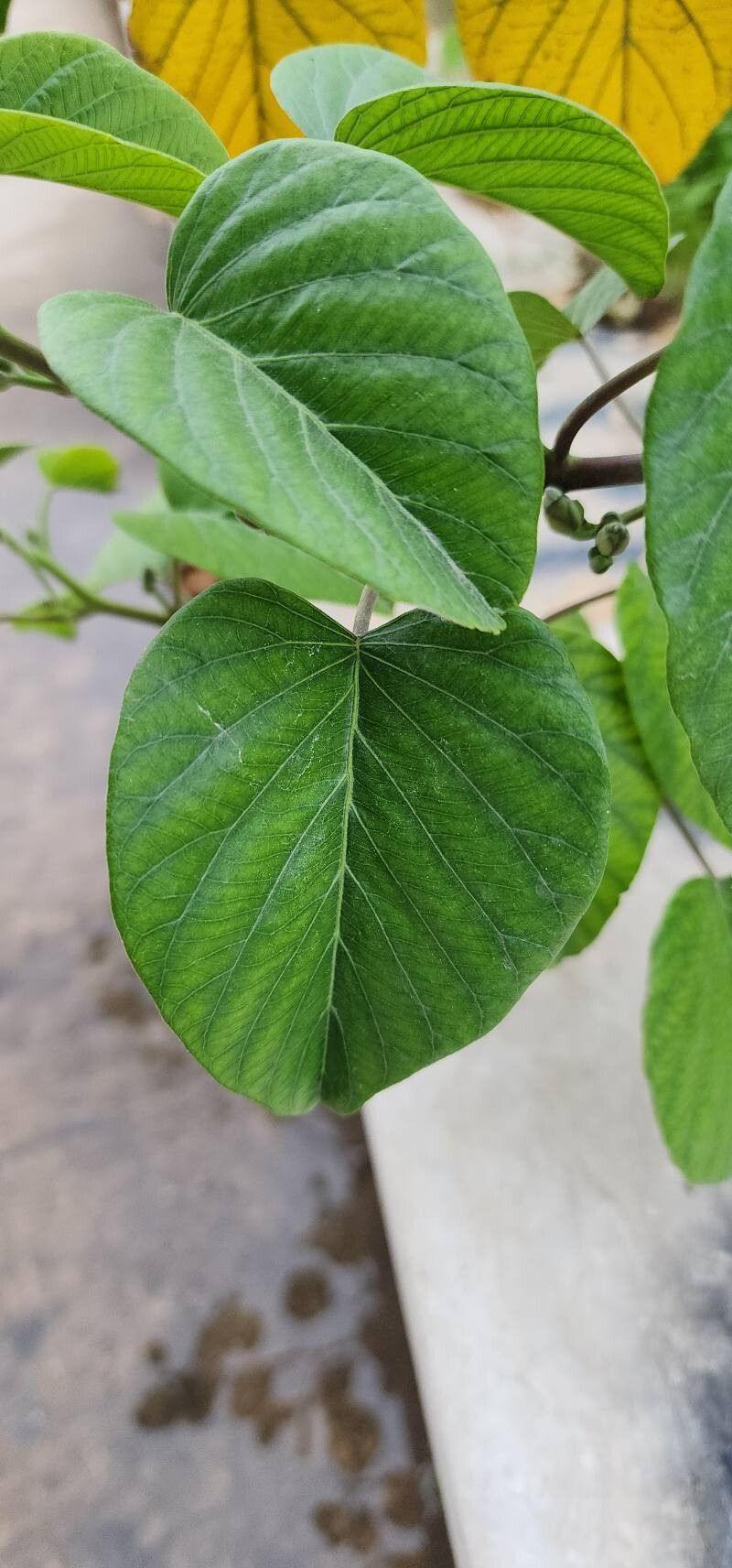
Hello there, fellow plant enthusiasts! Today, we’re diving into the wonderful world of Ipomoea carnea, often called the “Mexican Morning Glory” or “Bush Morning Glory.” If you adore big, beautiful blooms that unfurl each morning and a plant that can really fill out a space with lush greenery, then you’ve come to the right place. I’ve spent years with these beauties, and let me tell you, sharing them with others through propagation is one of the most satisfying gardening joys. The good news? Ipomoea carnea is wonderfully easy to propagate, even for those of you just starting your green-thumb journey. You’ll be amazed at how quickly you can grow a whole new garden filled with these cheerful plants.
The Best Time to Start
For the highest success rate with Ipomoea carnea, the warmer months are your best friend. Think late spring through summer. This is when the plant is actively growing and has plenty of energy to put into developing new roots. If you live in a tropical or subtropical climate, you might be able to propagate year-round, but even then, the growth spurts of summer are ideal. You want to use cuttings from healthy, actively growing stems, not woody old growth.
Supplies You’ll Need
Gathering your supplies beforehand makes the whole process smoother. Here’s what I usually have on hand:
- Sharp pruning shears or a clean knife: For making clean cuts on your stem cuttings.
- Rooting hormone (optional but recommended): A powder or gel that encourages faster root development.
- Well-draining potting mix: A blend of peat moss, perlite, and vermiculite works wonderfully. You can buy a good general-purpose potting mix and add some extra perlite for better drainage.
- Small pots or trays: For your cuttings to root in. Clean yogurt cups with drainage holes poked in the bottom work in a pinch!
- Plastic bags or a propagation dome: To create a humid environment for your cuttings.
- Water: For watering your new plants and potentially for water propagation.
- Labels/markers: To keep track of what you’ve planted and when.
Propagation Methods
Ipomoea carnea is exceptionally versatile, and I often find success with a couple of simple methods.
1. Stem Cuttings: My Go-To
This is my preferred method for Ipomoea carnea because it’s so reliable.
- Select your cutting: Choose a healthy stem that’s about 4-6 inches long. Look for stems that are green and somewhat flexible, not yet woody.
- Make the cut: Using your sharp shears or knife, make a clean cut just below a leaf node. A leaf node is a point on the stem where a leaf grows. This is where the magic happens for root formation.
- Prepare the cutting: Gently remove the lower leaves from the cutting, leaving just a couple of leaves at the top. If the top leaves are very large, you can even cut them in half to reduce water loss through transpiration.
- Apply rooting hormone (optional): Dip the cut end into your rooting hormone, tapping off any excess.
- Plant the cutting: Fill your small pots with the well-draining potting mix. Make a small hole with your finger and insert the cut end of the stem, ensuring at least one leaf node is below the soil surface. Gently firm the soil around the cutting.
- Water and cover: Water the soil thoroughly until it’s evenly moist but not waterlogged. Place a plastic bag over the pot or set it in a propagation dome to create a humid environment. Make sure the leaves aren’t touching the plastic if possible.
- Patience! Place the pots in a warm spot with bright, indirect light. Keep the soil consistently moist. Roots can start to form in as little as 2-3 weeks, but it can sometimes take longer.
2. Water Propagation: A Visual Treat
This method is incredibly satisfying to watch, as you can see the roots forming!
- Prepare the cutting: Follow the same steps for selecting and preparing the stem cutting as above.
- Place in water: Put the cutting in a clean jar or glass of water. Ensure only the lower portion of the stem is submerged, and critically, make sure no leaves are touching the water. Leaves submerged in water will rot and can take down your cutting with them.
- Location: Place the jar in a spot with bright, indirect light.
- Change the water: Change the water every few days to keep it fresh and prevent bacterial growth.
- Watch for roots: Within a few weeks, you should see small white roots emerging from the nodes. Once the roots are about an inch long, it’s time to transplant them into soil.
The “Secret Sauce” (Pro Tips)
Over the years, I’ve picked up a few tricks that seem to make all the difference:
- The Power of Bottom Heat: If you can, using a seedling heat mat under your pots can dramatically speed up rooting. Ipomoea carnea just loves a little warmth reaching its roots, encouraging them to develop much faster.
- Don’t Over-Water Initially: While humidity is key when rooting cuttings, you don’t want to drown them. Ensure your soil is consistently moist but never soggy. Soggy soil is the quickest way to invite rot.
- Cleanliness is Crucial: Always use clean tools and clean pots. This is non-negotiable! Pathogens can quickly take hold of tender, new cuttings and cause them to fail.
Aftercare & Troubleshooting
Once your cuttings have developed a nice root system, it’s time to transition them to their next phase.
- First Signs of Roots: For stem cuttings, you’ll know roots have formed when you gently tug on the cutting and feel resistance. For water-propagated cuttings, you’ll see those lovely white roots!
- Potting Up: Carefully transplant your rooted cuttings into slightly larger pots with fresh, well-draining potting mix. Water them in well.
- Gradual Acclimation: If you’ve had your cuttings under a plastic bag or dome, gradually remove the cover over a few days to allow the plant to adjust to normal humidity levels.
- Watering: Water your new plants thoroughly whenever the top inch of soil feels dry. They’ll be thirsty as they establish themselves.
- Troubleshooting: Rot is the Enemy: The most common issue you’ll encounter is rot. If your cutting turns mushy and black, it’s likely rotted. This is usually due to over-watering, poor drainage, or not cleaning your tools. Try to remove any rotted material immediately and ensure better conditions for other cuttings. If you see mold on the soil surface, it’s another sign of too much moisture and not enough air circulation.
A Small Garden, Big Rewards
Don’t be discouraged if a cutting or two doesn’t take. Gardening is a journey of learning, and every attempt teaches us something new. The joy of seeing those first tiny roots emerge, and then watching your new Ipomoea carnea grow into a beautiful, blooming plant, is so worth it. Be patient, enjoy the process, and soon you’ll be sharing these delightful plants with everyone you know! Happy propagating!
Resource:
https://identify.plantnet.org/k-world-flora/species/Ipomoea%20carnea%20Jacq./data