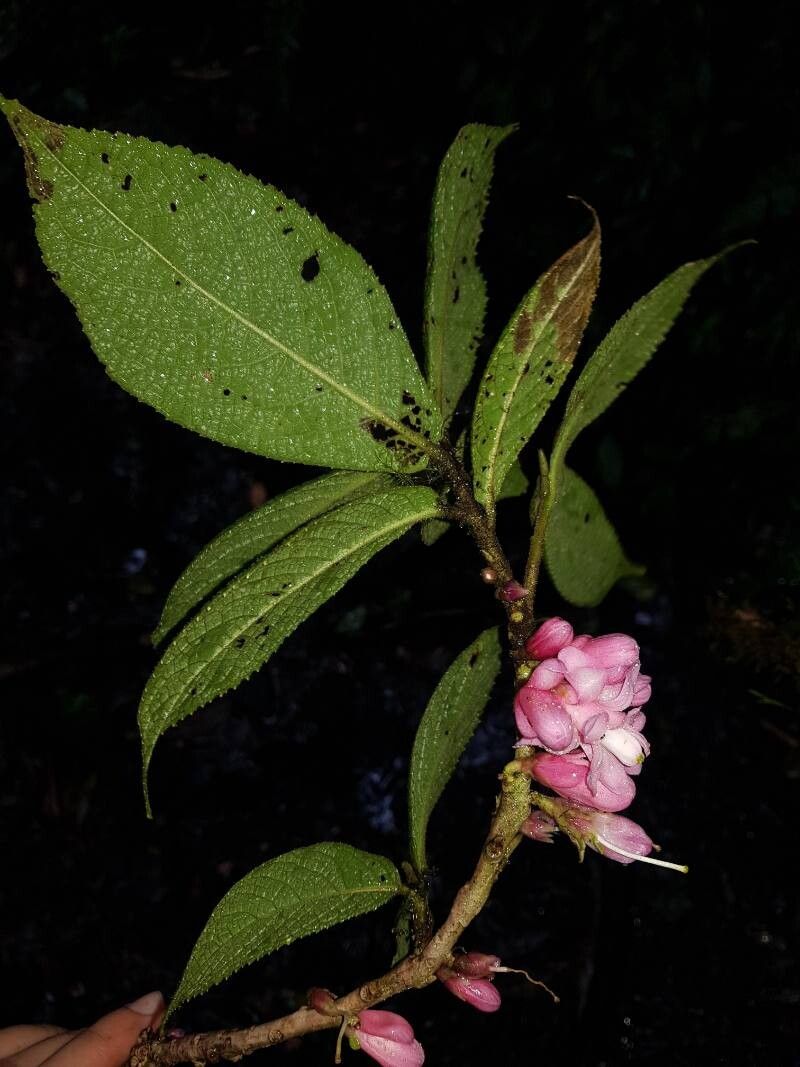
Hey there, fellow plant lovers! I’m so excited to chat with you today about a truly special plant: Symplocos paniculata, often called Sweetleaf or Asiatic Sweetleaf. If you’re dreaming of soft, fluffy white flowers that scent your garden with a delicate perfume in early summer, and you love the idea of creating more of these beauties yourself, then you’re in the right place. Propagating Symplocos paniculata is incredibly rewarding, and while it can be a touch particular, it’s definitely not an insurmountable challenge.
The Best Time to Start
For the best chance of success, I like to take cuttings from my Symplocos paniculata in late spring or early summer. This is when the plant is actively growing and has plenty of soft, new growth that’s more pliable and eager to root. You’re looking for stems that have started to firm up a bit but are still flexible – not woody, but not so floppy that they’ll wilt in a heartbeat.
Supplies You’ll Need
To get your propagation station set up, you’ll want a few essentials on hand:
- Sharp Pruning Shears or a Clean Knife: For making clean cuts.
- Rooting Hormone Powder or Gel: This gives your cuttings a helpful boost.
- A Well-Draining Potting Mix: I like a blend of 50% peat moss and 50% perlite or coarse sand. This ensures good aeration and prevents waterlogged roots.
- Small Pots or Trays: Clean, with drainage holes, of course!
- A Clear Plastic Bag or Dome: To create a humid microclimate.
- Optional: A Heat Mat: Bottom heat can really speed up rooting for some plants, and Symplocos can benefit.
Propagation Methods
My favorite way to increase my Symplocos paniculata collection is through stem cuttings. It’s relatively straightforward and yields healthy new plants.
- Select Your Cuttings: Look for healthy, non-flowering shoots that are about 6-8 inches long.
- Make the Cut: Using your sharp shears, make a clean cut just below a leaf node. This is the point where a leaf attaches to the stem, and it’s where roots are most likely to form.
- Prepare the Cutting: Remove the lower leaves from the cutting, leaving just a few at the top. If the leaves are large, you can even cut them in half to reduce water loss.
- Dip in Rooting Hormone: Dip the cut end of the stem into your rooting hormone powder or gel, tapping off any excess.
- Plant Your Cuttings: Fill your small pots with your prepared potting mix. Make a small hole in the center with your finger or a pencil, and insert the cutting. Gently firm the soil around the base.
- Water Gently: Water the potting mix thoroughly but gently. You don’t want to disturb the cutting.
- Create Humidity: Cover the pot with a clear plastic bag, using a few stakes to keep the bag from touching the leaves, or place it under a clear propagation dome. This traps moisture and mimics the humid environment the cuttings need.
- Place in Bright, Indirect Light: Find a spot that gets plenty of bright light but avoids direct, scorching sun. A sunny windowsill that doesn’t get intense afternoon sun is often perfect.
The “Secret Sauce” (Pro Tips)
After years of playing around with plants, I’ve picked up a few tricks that make a real difference.
- My absolute top tip for cuttings like these is: Don’t let the leaves touch the water when you’re watering them in. Excess moisture on the leaves can encourage fungal diseases, and we want all that energy going into root development, not fighting off rot.
- If you’re using a plastic bag, open it for a few minutes each day to allow for air circulation. This prevents stale air and reduces the risk of mold. It’s like a little breath of fresh air for your baby plants!
- And for Symplocos, bottom heat can be a game-changer. Placing your pots on a gentle heat mat, set to around 70-75°F (21-24°C), can significantly speed up the rooting process. It mimics the warmth of spring soil and gives roots the signal to get growing.
Aftercare & Troubleshooting
Once you start to see roots forming – you might gently tug on a cutting and feel resistance, or even see roots peeking out of the drainage holes – it’s time for a little adjustment. Gradually remove the plastic bag or dome over a few days to acclimate the new plant to lower humidity. Continue to keep the potting mix consistently moist but not soggy.
The most common issue you might encounter is rot. If a cutting turns black and mushy at the base, it’s usually a sign of too much moisture and not enough air circulation. If you see this, remove the affected cutting immediately to prevent it from spreading. Damping off, a fungal disease that causes seedlings and cuttings to collapse at the soil line, is also a risk. Using a sterile potting mix and ensuring good airflow helps prevent this.
A Encouraging Closing
Propagating your own Symplocos paniculata is a journey of patience and observation. Don’t be discouraged if your first attempt isn’t perfect! Each time you try, you learn a little bit more about your plant and your own gardening style. Enjoy the process of nurturing these tiny beginnings, and soon you’ll be rewarded with more of those lovely, sweet-scented blooms. Happy gardening!
Resource:
https://identify.plantnet.org/k-world-flora/species/Symplocos%20povedae%20Almeda/data