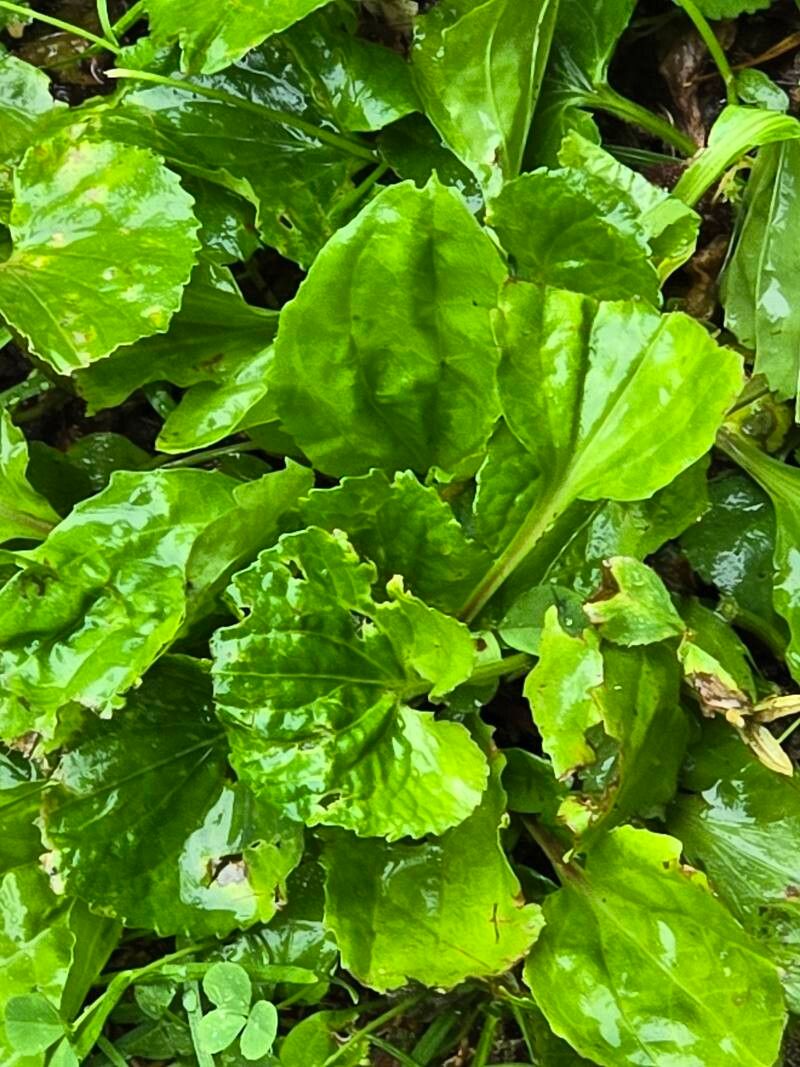
Oh, hello there! It’s so good to have you join me for a chat about getting more of those lovely Plantago rugelii plants. You know, the ones with their broad, inviting leaves that just scream “nature’s own little welcome mat”? I’ve been growing them for ages, and there’s something so deeply satisfying about coaxing a brand new plant into existence from a tiny piece of an existing one. It feels like a little bit of magic, doesn’t it?
The great news is, if you’re thinking about giving propagation a whirl, Plantago rugelii is generally a very forgiving plant. You don’t need to be a seasoned pro to have success. In fact, I’d say it’s a fantastic choice for beginners looking to dip their toes into the wonderful world of multiplying their greenery.
The Best Time to Start
For Plantago rugelii, I find the spring and early summer are absolutely prime time for propagation. This is when the plant is actively growing and has plenty of energy to put into developing new roots. Aim to take cuttings or divide plants when they are neither stressed (like during a heatwave) nor dormant. Look for vigorous, healthy growth – that’s your signal they’re ready to share!
Supplies You’ll Need
Here’s what I usually gather before I get started:
- Sharp pruning shears or a clean knife: The cleaner the cut, the better the plant can heal and start rooting.
- Well-draining potting mix: I love a mix of equal parts peat moss, perlite, and compost. You can also buy a good quality seed-starting mix.
- Small pots or trays: Yogurt cups with drainage holes poked in the bottom work in a pinch!
- Watering can with a fine rose or a spray bottle: Gentle watering is key.
- Rooting hormone (optional but helpful): A little dip in this can speed things up, especially for cuttings.
- Clear plastic bag or a propagator: This helps to keep humidity high initially.
Propagation Methods
Plantago rugelii is a champ at reproducing in a couple of straightforward ways. I typically rely on division and stem cuttings.
Division
This is my go-to for mature plants that are looking a little crowded in their pot, or if I simply want to make more.
- Gently unpot your plant. Loosen the soil from the roots.
- Inspect the root ball. You’ll see where the plant naturally wants to divide into sections.
- Using your hands or a clean knife, carefully separate the plant into smaller clumps. Each clump should have at least a few leaves and a decent amount of roots. Don’t fuss too much if you break a few roots; the plant is resilient.
- Pot up each new division into its own pot with fresh potting mix.
- Water gently and place in a bright spot, out of direct sun.
Stem Cuttings
This method is great for getting many new plants from a single healthy specimen.
- Identify a healthy, non-flowering stem. Look for a stem that’s about 4-6 inches long.
- Make a clean cut just below a leaf node (where a leaf attaches to the stem). Remove the lower leaves, leaving just a few at the very top.
- If you’re using rooting hormone, dip the cut end into the powder.
- Insert the cut end into your prepared potting mix. Make a small pilot hole with a pencil or your finger to avoid rubbing off the hormone.
- Gently water the mix to settle the cutting.
- Cover the pot with a clear plastic bag or pop it into a propagator to maintain high humidity. This is crucial for cuttings!
- Place in a bright location, but avoid direct sunlight, which can scorch the tender cuttings.
The “Secret Sauce” (Pro Tips)
Now, for a couple of little tricks I’ve picked up over the years that can make all the difference:
- Don’t let the leaves touch the water when water propagating. If you choose to root cuttings in water (which can work for Plantago rugelii, though I prefer soil), make absolutely sure that no leaves are submerged. Any submerged foliage will quickly rot and can kill your cutting before it ever has a chance to form roots.
- A little bottom heat can work wonders. If you’re propagating in cooler weather or just want to give your cuttings an extra boost, placing your pots on a seedling heat mat can really encourage root development. It mimics the warmth of spring soil.
Aftercare & Troubleshooting
Once you see new growth appearing, or if you gently tug on a cutting and feel resistance (indicating roots!), it’s time for a little extra care.
Continue to keep the soil consistently moist but not waterlogged. Overwatering is your enemy now and can lead to root rot. Gradually reduce the humidity by opening the plastic bag a bit more each day over a week, allowing the new, more independent plant to acclimatize. Eventually, you can remove the bag entirely.
The most common sign of trouble is wilting and browning or yellowing leaves, which often points to overwatering or insufficient light. If you see mushy stems or a foul smell, that’s likely rot, and unfortunately, that cutting or division might be a goner. Don’t be discouraged, though! Just try again with fresh material and adjusted practices.
A Gentle Encouragement
Growing new plants is a journey, and sometimes it’s a bit of trial and error. Be patient with your Plantago rugelii cuttings and divisions. Enjoy the process of watching them unfurl new leaves and establish themselves. Each successful new plant is a testament to your nurturing hands and a little bit of shared life. Happy propagating!
Resource:
https://identify.plantnet.org/k-world-flora/species/Plantago%20rugelii%20Decne./data