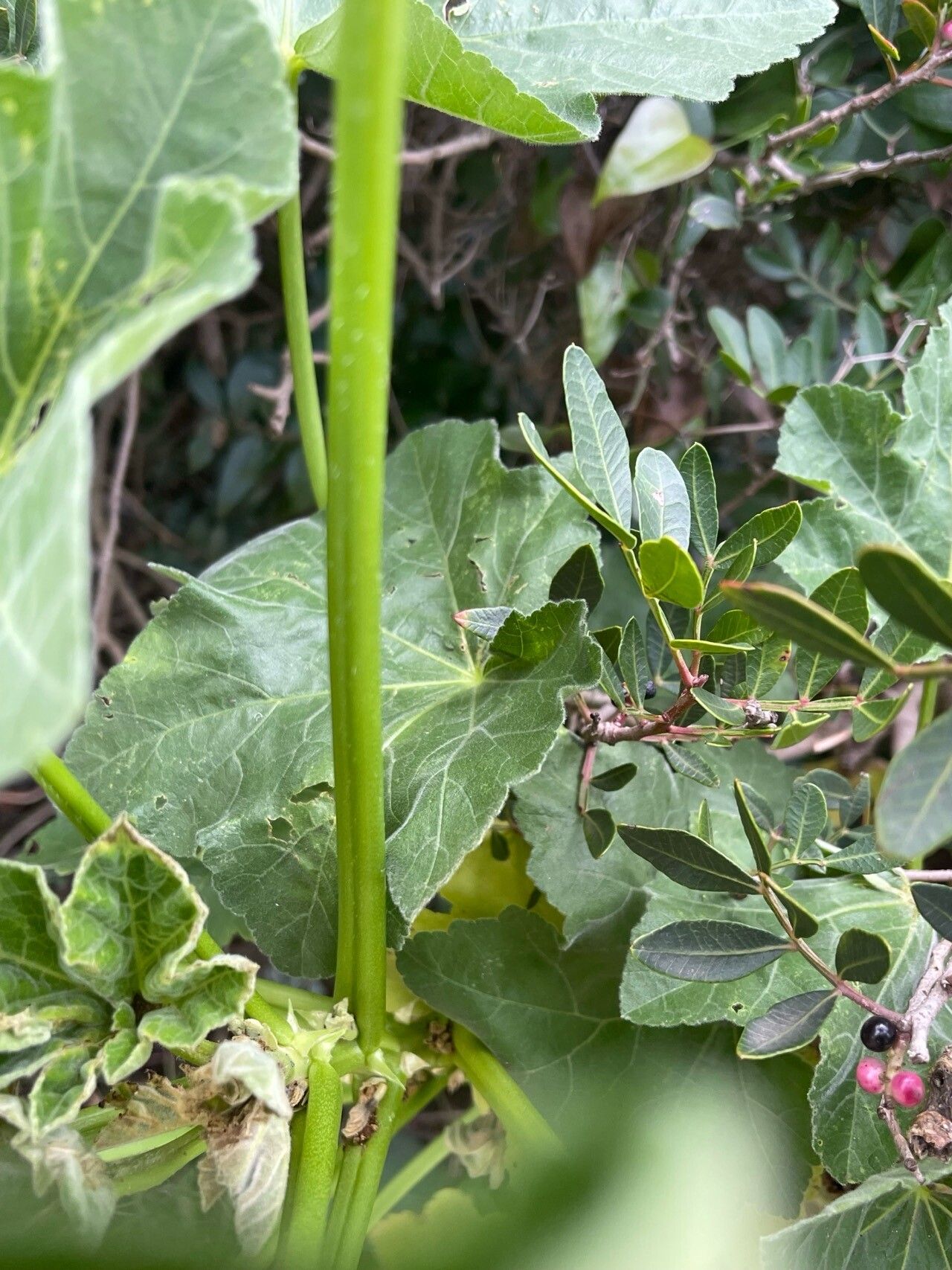
Hey there, fellow garden enthusiasts! Today, we’re diving into the wonderful world of propagating Malva arborea, often called the Tree Mallow. I’ve been growing these beauties for years, and honestly, there’s something incredibly satisfying about taking a little piece of a plant I love and coaxing it into becoming a whole new one. Their lovely, cup-shaped flowers bring such a burst of color and a touch of the Mediterranean to any garden. If you’ve been admiring them and thinking about adding more to your landscape, or sharing them with friends, you’re in the right place. Don’t worry, Malva arborea is quite forgiving, making it a great plant for those just dipping their toes into propagation.
When to Get Your Hands Dirty
The best time to start propagating Malva arborea is in the late spring or early summer. This is when the plant is actively growing and has plenty of fresh, new shoots that are ideal for taking cuttings. You’re looking for stems that are somewhat soft and pliable, but not so young that they wilt instantly. Think of it as reaching for a stem that’s just lost its “baby” tenderness but isn’t yet woody.
Your Propagation Toolkit
To set yourself up for success, you’ll want a few key items:
- Sharp Pruning Shears or a Craft Knife: For clean cuts that heal well.
- Rooting Hormone Powder or Gel: This is a game-changer! It really helps to encourage root development.
- Potting Mix: A well-draining mix is crucial. I like to use a blend of equal parts peat moss (or coco coir), perlite, and a bit of coarse sand. This prevents waterlogging, which is the enemy of new cuttings.
- Small Pots or Trays: Clean containers with drainage holes are a must.
- Clear Plastic Bag or Propagation Dome: To create a humid environment for your cuttings.
- Water: For misting and watering.
Planting a New Beginning: Propagation Methods
Malva arborea can be propagated most successfully through stem cuttings. It’s a straightforward process, and I’ve had excellent results with it.
- Take the Cuttings: In late spring or early summer, select healthy, non-flowering shoots. Using your sharp shears or knife, cut stems that are about 4-6 inches long. Make the cut just below a leaf node – that’s the little bump where a leaf grows from the stem.
- Prepare the Cuttings: Gently remove the lower leaves from the cutting, leaving just 2-3 leaves at the top. This reduces water loss and prevents leaves from rotting in the soil. You can also lightly wound the bottom inch of the stem by scraping off a thin sliver of the outer layer, though this isn’t strictly necessary.
- Apply Rooting Hormone: Dip the cut end of each stem into rooting hormone, tapping off any excess. This step really boosts your chances of success.
- Plant Your Cuttings: Fill your small pots with your prepared, well-draining potting mix. Make a hole in the center of the mix using a pencil or your finger. Insert the prepared cutting into the hole, making sure the leaf nodes that will be below the soil surface are covered. Gently firm the soil around the cutting.
- Create a Humid Environment: Water the soil lightly. Then, cover the pot with a clear plastic bag (making sure the leaves don’t touch the plastic) or place it under a propagation dome. This keeps the humidity high, which is essential for cuttings to root.
The “Secret Sauce” from My Garden
Now, for a couple of little tricks I’ve learned over the years that make a real difference:
- The Mist is Your Friend: Don’t let your cuttings completely dry out, but also don’t drown them. Mist the leaves daily with a spray bottle, especially if you’re not using a plastic bag or dome. This mimics the dew they’d get in nature and keeps them happy.
- Bottom Heat is a Boost: If you have a heat mat designed for seedlings, place your pots on it. Gentle bottom heat encourages root formation much faster than room temperature alone. It’s like giving your little cuttings a warm hug to get them started.
Nurturing New Growth and What to Watch For
Once your cuttings are potted, place them in a bright spot with indirect sunlight. Avoid direct sun, which can scorch those tender new leaves. Keep the soil consistently moist but not soggy.
You’ll know your cuttings have rooted when they start showing new leaf growth or when you gently tug on them and feel a bit of resistance. This usually takes anywhere from 4-8 weeks, sometimes longer.
If you see wilting that doesn’t perk up after watering, or the cutting turns mushy and black at the base, that’s a sign of rot. This usually means the soil is too wet or the environment isn’t airy enough. Don’t be discouraged if a few don’t make it – it happens to all of us! Just try to identify what might have gone wrong and learn from it.
Keep Growing!
Propagating plants is a journey of patience and observation. It’s so rewarding to see those tiny roots emerge and then watch your new Malva arborea plants grow and thrive. Be patient, have fun with the process, and soon you’ll be surrounded by even more of these delightful blooms. Happy gardening!
Resource: