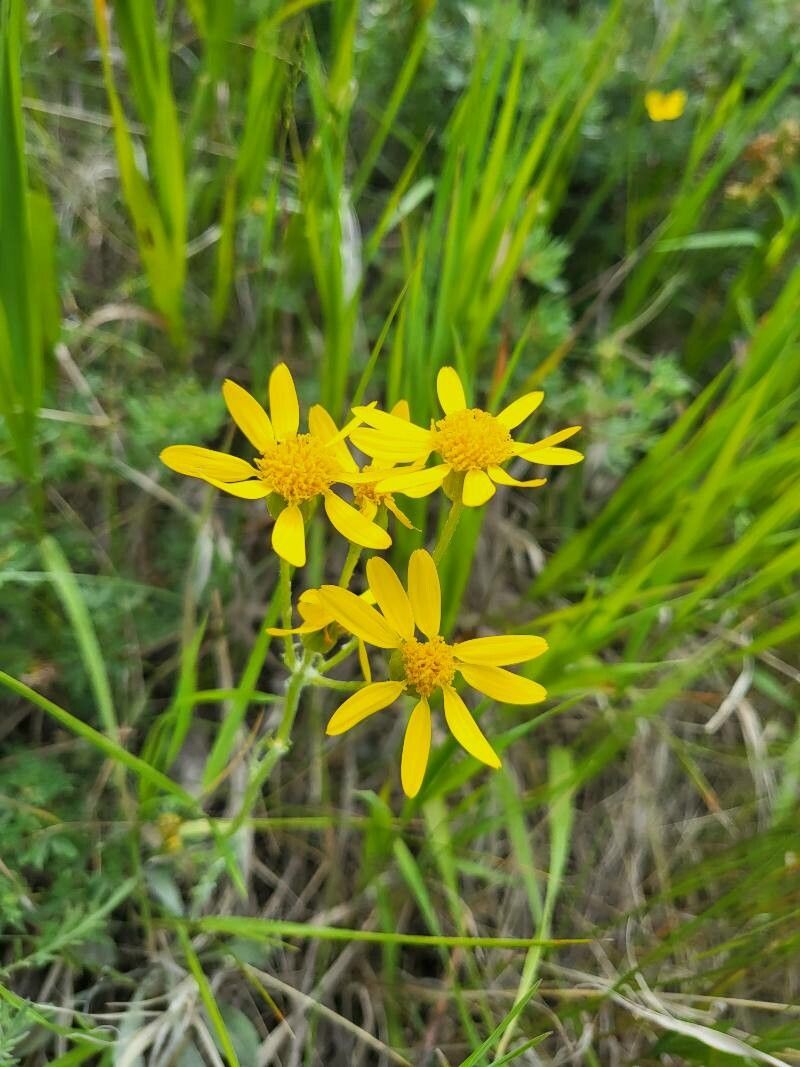
Hey there, fellow garden adventurers! It’s so lovely to have you join me today. I’ve been digging in the dirt for about two decades now, and let me tell you, there’s always something new to learn and a whole lot of joy to be found. Today, we’re going to talk about a plant that’s quickly become one of my favorites for its unique charm and resilience: Senecio ampullaceus.
A Dash of Charm: Why Propagate Senecio ampullaceus?
Senecio ampullaceus, often called “Bottles Senecio” or “String of Dolphins” for its rather delightful, plump foliage, is just a joy to have around. Its trailing stems, dotted with these adorable little leaf “dolphins,” are perfect for hanging baskets or letting cascade from a shelf. Propagating it is not only a fantastic way to increase your collection (or share with friends – we all know gardeners love to share!), but it’s also incredibly rewarding. The satisfaction of watching a tiny cutting transform into a flourishing plant is truly special. And for those of you just starting out? Good news! Senecio ampullaceus is generally quite forgiving and relatively easy to propagate, making it a wonderful project for beginners.
When to Get Started: The Sweet Spot for Success
The best time to tackle propagating your Senecio ampullaceus is during its active growing season. This usually means late spring and early summer. During these warmer months, the plant is buzzing with energy, and cuttings will have the best chance of rooting quickly. You can also have success in early autumn if your climate stays warm enough for a while longer, but spring is generally your safest bet.
Gathering Your Tools: What You’ll Need
Before we get our hands dirty, let’s make sure we have everything ready. It’s always better to be prepared!
- Sharp Pruning Shears or a Clean Knife: For making clean cuts on your parent plant and cuttings.
- Well-Draining Potting Mix: A cactus or succulent mix is ideal. You can also create your own by mixing potting soil with perlite or pumice, aiming for about a 50/50 ratio.
- Small Pots or Trays: Clean pots, about 3-4 inches in diameter, or a propagation tray with individual cells.
- Rooting Hormone (Optional but Recommended): A powder or gel form can significantly speed up the rooting process.
- Watering Can or Spray Bottle: For gently moistening the soil.
- Labels (Optional): To keep track of your cuttings if you’re propagating multiple varieties.
- A Sunny Spot: A bright location, but not in direct, harsh midday sun, especially for newly propagated plants.
Let’s Get Growing: Propagation Made Simple
Senecio ampullaceus is a champion at propagation, and the easiest way to go is with stem cuttings. It’s quick, it’s clean, and it works like a charm.
- Take Your Cuttings: Using your clean shears or knife, select healthy, mature stems from your parent plant. Look for sections that are at least 3-4 inches long. Make a clean cut just below a leaf node (the point where leaves attach to the stem).
- Prepare the Cuttings: Gently remove the lower leaves from the bottom inch or so of each cutting. This exposes the nodes where roots will emerge and prevents leaves from rotting when placed in the soil.
- Let Them Callus (Important Step!): This is crucial for preventing rot. For a succulent like Senecio ampullaceus, you want the cut end to dry out and form a callus before planting. Leave your cuttings in a dry, well-ventilated spot for 2-7 days. You’ll see the cut end turn a bit dry and slightly firm.
- Apply Rooting Hormone (Optional): Once callused, dip the cut end into your rooting hormone powder or gel. Tap off any excess.
- Plant Your Cuttings: Fill your small pots or propagation tray with your well-draining potting mix. Make a small hole in the center of each pot with your finger or a pencil. Gently insert the callused end of the cutting into the hole, ensuring at least one leaf node is below the soil surface.
- Water Lightly: After planting, water the soil very lightly. You want it to be just barely moist, not soggy. A spray bottle is excellent for this initial watering.
- Provide the Right Environment: Place your pots in a bright location that receives indirect sunlight. Avoid intense, direct sun, which can scorch the delicate cuttings.
The “Secret Sauce”: My Insider Tips
After years of fiddling, I’ve picked up a few tricks that seem to make all the difference with these little guys.
- Don’t Overwater, Ever: I cannot stress this enough. For succulents, overwatering is the quickest way to kiss your propagation dreams goodbye. Err on the side of too dry rather than too wet. The callused ends and well-draining soil are your first lines of defense, but consistent light watering is key.
- A Bit of Bottom Heat Helps: If you have a seedling heat mat, using it can be a game-changer. Placing your pots on a gentle heat source (around 70-75°F or 21-24°C) can encourage roots to form much faster. It mimics that lovely warmth of spring soil.
- Humidity Can Be Your Friend, But Be Cautious: While Senecio ampullaceus doesn’t need high humidity like some tropicals, a little bit of extra moisture in the air can be beneficial in the very early stages. I sometimes cover the pot loosely with a clear plastic bag, making sure none of the leaves are touching the plastic. Lift the bag daily for airflow to prevent any fungal issues.
Nurturing New Life: Aftercare and What to Watch For
Once your cuttings have started to show signs of life – usually new growth emerging from the tips or a gentle tug revealing resistance (meaning roots have formed!) – it’s time to transition them to a slightly more normal routine.
- Watering: Begin watering slightly more regularly, but still allow the soil to dry out between waterings. A good rule of thumb is to water when the top inch or so of soil feels dry to the touch.
- Light: Gradually introduce them to brighter light. They can eventually handle more direct sun than very young cuttings.
- Transplanting: Once your new plants are well-rooted and have developed a good amount of growth, you can transplant them into their own slightly larger pots.
- Watch for Rot: The most common problem is rot. If you see your cuttings turning mushy, black, or limp, especially from the cut end upwards, it’s a sign of too much moisture. Unfortunately, if rot sets in, it’s often difficult to save. Prevention through proper watering and drainage is your best strategy.
- Slow Growth: Sometimes, cuttings just take their sweet time. If you see no progress after a few weeks, don’t despair! They might just be establishing a strong root system before putting on visible growth. Patience is truly a virtue in the garden.
Keep Digging, Keep Growing!
Propagating Senecio ampullaceus is a wonderfully accessible way to expand your plant family and experience the magic of creation. Be patient with your little sprouts, trust your instincts, and don’t be afraid to experiment. Every gardener has their own unique way of nurturing their plants, and witnessing that first tiny root emerge is a reward all its own. Happy propagating!
Resource:
https://identify.plantnet.org/k-world-flora/species/Senecio%20ampullaceus%20Hook./data