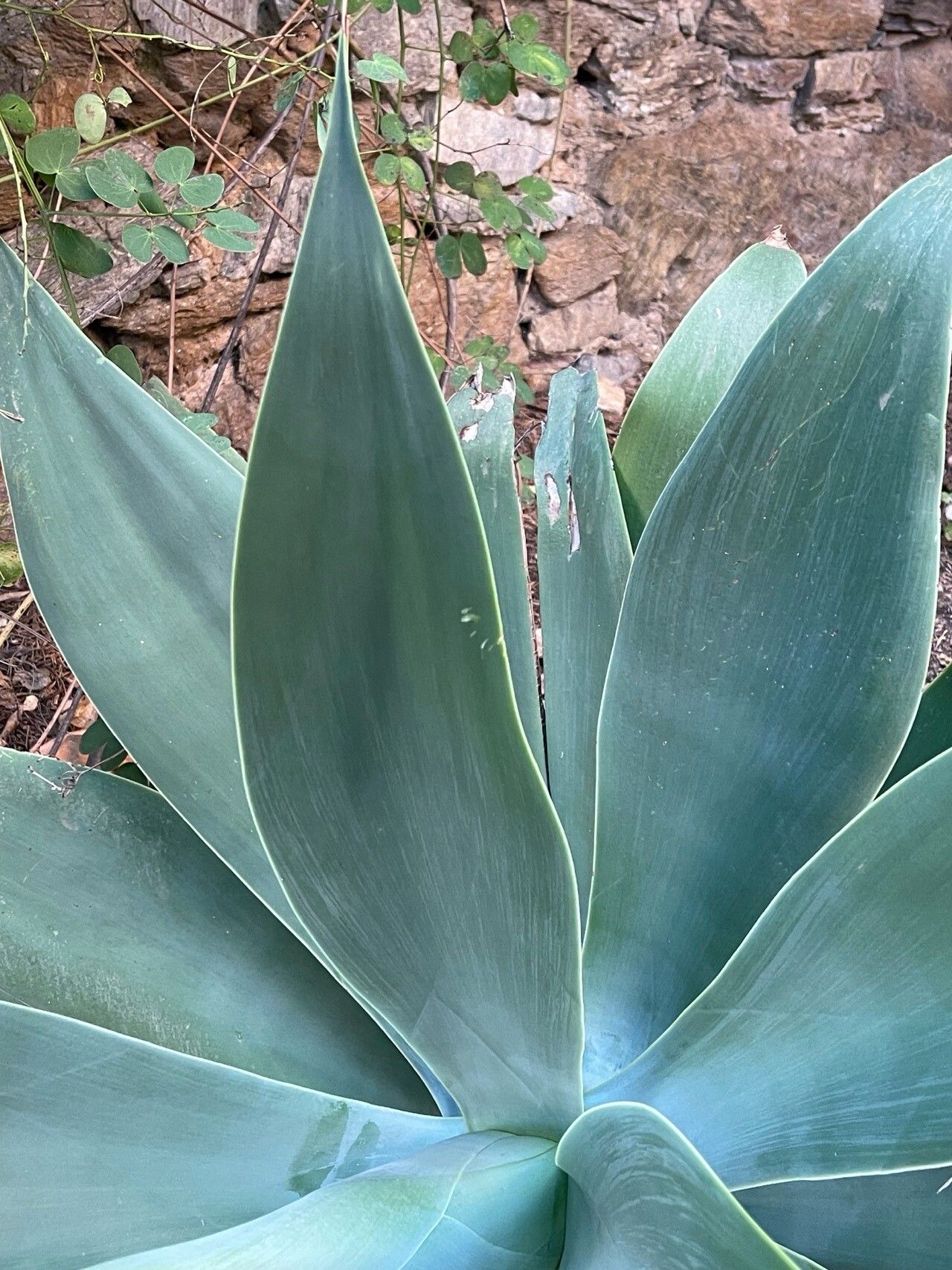
Oh, Agave attenuata! Isn’t it just a stunner? With those elegant, arching leaves and that signature, almost swan-like flower stalk, it brings a touch of the exotic to any garden. And the best part? You can easily multiply this beauty yourself! Propagating agaves, especially the Foxtail Agave as it’s often called, is a deeply satisfying process, kind of like nurturing a little piece of your garden into being all over again. And for beginners? You’ll be happy to know this is a fairly forgiving plant, making it a great starting point for your propagation adventures.
When to Get Your Hands Dirty
The absolute sweet spot for propagating Agave attenuata is spring. As the weather warms up and the plant enters its active growing season, it’s much more receptive to new beginnings. Early to mid-spring is ideal, giving your cuttings plenty of time to establish before any potential cooler weather rolls in. You’re looking for a plant that’s healthy and vigorous – signs of new growth are always a good indicator.
Your Propagator’s Toolkit
Before we dive in, let’s gather our supplies. Having everything ready makes the process smooth sailing.
- Sharp, clean pruning shears or a knife: For making clean cuts.
- Well-draining potting mix: A cactus and succulent mix is perfect. If you don’t have that, you can mix regular potting soil with perlite or coarse sand (about a 50/50 ratio).
- Small pots or containers: With drainage holes, of course! Yogurt cups with holes poked in the bottom work in a pinch.
- Rooting hormone (optional but recommended): This can give your cuttings a helpful boost.
- Gloves: Agave sap can be a bit sticky and can irritate some skin.
- A watering can or spray bottle.
Bringing Your Agave Babies to Life
Agave attenuata is most commonly propagated through offsets (also called pups) and stem cuttings. Let’s break down how to do each.
Propagating from Offsets (Pups)
This is arguably the easiest method. As your mature agave grows, it will often produce little baby plants, or offsets, at its base.
- Look for the pups: Gently brush away some soil from the base of your mature agave to see if any small plantlets are emerging. They’ll have their own small leaves.
- Separate them carefully: Using your sharpest tool, gently sever the offset away from the mother plant, trying to get as much of its own root system as possible. If they are large enough, they might already have established roots.
- Let them callous over: This is crucial! Place the separated offset in a dry, shaded spot for a few days, or even up to a week. You want the cut surface to dry out and form a protective callus. This prevents rot when you plant it.
- Plant them up: Once calloused, plant the offset in your well-draining potting mix. Don’t water it immediately. Wait at least a week before giving it its first light watering.
Propagating from Stem Cuttings
This is a great way to propagate if your plant has become leggy or if you want to start multiple plants from a larger specimen.
- Identify a healthy stem: Look for a sturdy, leaf-producing stem section on your agave. You can also use the top rosette if you’re “topping” your plant.
- Make a clean cut: Using your sharp, sanitized pruning shears or knife, cut a section of the stem, ideally about 4-6 inches long. Remove any lower leaves that might end up below the soil line.
- Allow it to callous: Just like with the offsets, this is super important. Place the cutting in a dry, well-ventilated area away from direct sunlight for 1-2 weeks. The cut end needs to dry and form a protective scab. This step can’t be stressed enough to prevent rot.
- Plant the cutting: Once calloused, insert the cut end about an inch or two into your well-draining potting mix. You can use a bit of rooting hormone at this stage if you like. Do not water yet. Wait at least a week, maybe two, for the initial watering.
- Water sparingly: After the waiting period, water very lightly. The goal is to keep the soil just barely moist, not wet.
My “Secret Sauce” Tips
Over the years, I’ve learned a few tricks that really help.
- The Power of Bottom Heat: For stem cuttings especially, giving them a little gentle warmth from below can significantly speed up root development. A seedling heat mat placed under their pots provides this perfectly. It really encourages those roots to get moving!
- Don’t Drown Them: This is the number one mistake I see new propagators make. Agaves are desert plants; they abhor wet feet. When watering new cuttings, err on the side of too dry rather than too wet. It’s much easier to revive a slightly dry plant than one suffering from root rot.
- Be Patient with Callousing: I know it’s tempting to plant them right away, but resisting that urge and allowing those cuttings to properly callus over is the single best thing you can do to prevent rot. That dried-out surface is their natural defense mechanism.
Aftercare and What to Look For
Once your offset or cutting has been planted and you’ve started a very gentle watering schedule, it’s time to wait and watch. Keep them in a bright spot with indirect sunlight. Direct sun can scorch fragile new plants.
You’ll know roots are forming when you feel a slight resistance when you very gently tug on the plant. You might also see new leaf growth starting. This can take anywhere from a few weeks to a couple of months, so patience is key!
Signs of trouble usually involve rot. If the leaves turn mushy and yellow, or if the base of the cutting starts to look dark and feel squishy, it’s likely rot. This is often due to overwatering. If you catch it early, you might be able to salvage the situation by cutting away the rotted parts and letting the healthy section callus again, but sadly, it’s often a sign the plant won’t make it.
Go Forth and Propagate!
There you have it! Bringing more of these gorgeous Agave attenuata into your life is simpler than you might think. Embrace the process, don’t be discouraged if every single one doesn’t make it – that’s part of learning! Enjoy watching those little babies sprout and grow. Happy gardening!
Resource:
https://identify.plantnet.org/k-world-flora/species/Agave%20attenuata%20Salm-Dyck/data