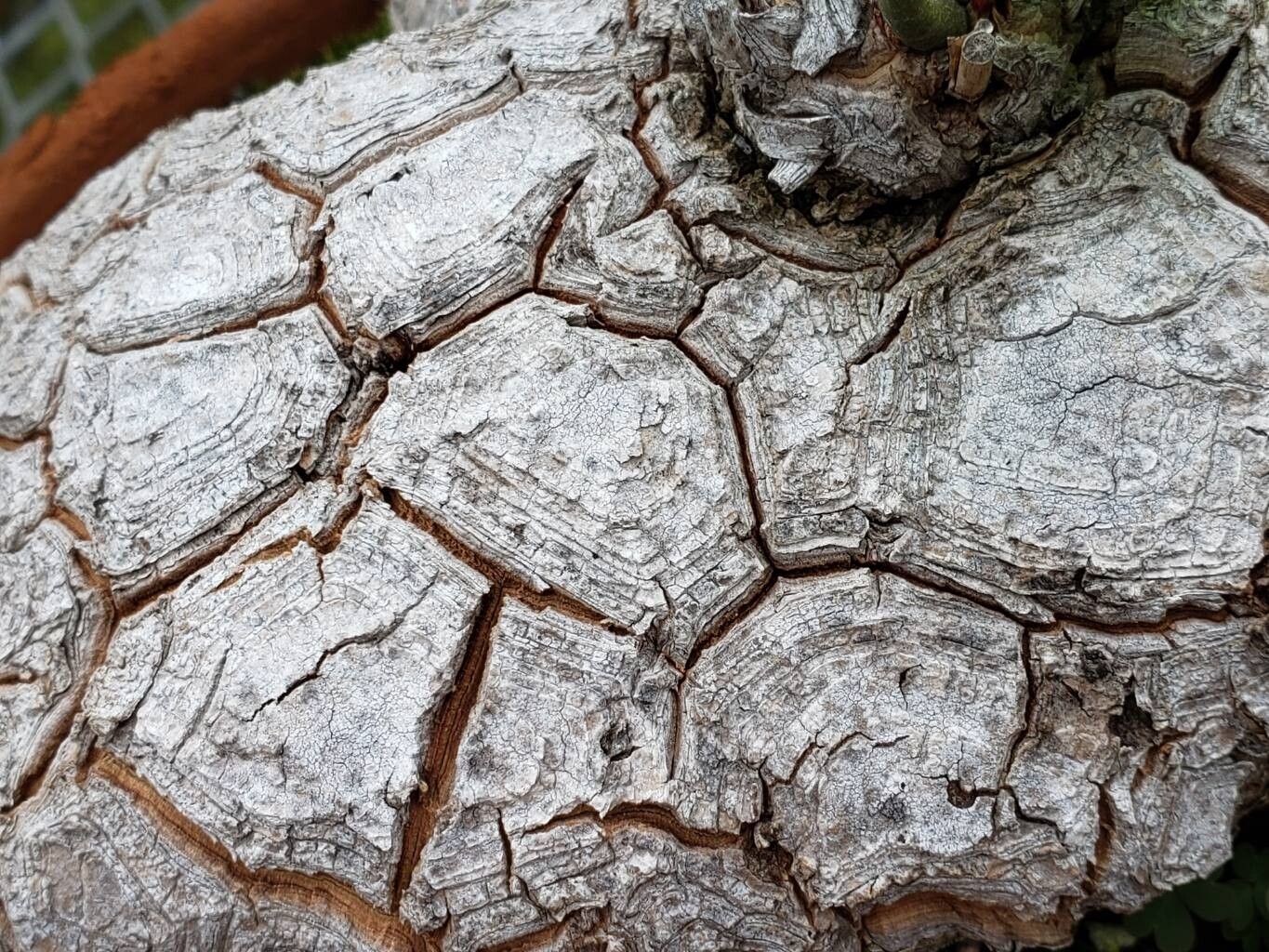
Hey there, fellow plant lovers! Today, we’re diving into something truly special: propagating Dioscorea mexicana, often called the Mexican Yam. If you’re drawn to unique textures and the thrill of bringing new life from existing plants, this one’s for you. Watching a tiny piece of your beloved plant unfurl into its own magnificent form is one of gardening’s greatest joys. Now, Dioscorea mexicana can be a little finicky, so it might not be the absolute easiest plant for a beginner to start with, but with a little patience and the right guidance, you can absolutely succeed!
The Best Time to Start
For the best chance of success, I like to begin propagating Dioscorea mexicana in the late spring or early summer. This is when the plant is actively growing and has plenty of energy stored up for new development. You want to work with healthy, vigorous growth, so avoid trying to propagate from a plant that looks stressed or is just emerging from dormancy.
Supplies You’ll Need
Gathering your supplies ahead of time makes the whole process so much smoother. Here’s what I usually have on hand:
- Sharp Pruning Shears or a Clean Knife: For making clean cuts. Sterilize them with rubbing alcohol before and between cuts.
- Potting Mix: A well-draining, airy mix is crucial. I often use a blend of equal parts peat moss, perlite, and a bit of orchid bark. You can also add some worm castings for a gentle boost.
- Small Pots or Seed Trays: With drainage holes, of course!
- Rooting Hormone (Optional but Recommended): A powdered hormone containing IBA can significantly improve your success rate, especially for trickier propagations.
- Plastic Bags or Dome Covers: To create a humid environment for cuttings.
- Watering Can with a Fine Rose: For gentle watering.
- Labels and a Marker: To keep track of what you planted and when!
Propagation Methods
While Dioscorea mexicana can be propagated from tubers, which is essentially just dividing parts of the underground storage organ, I find stem cuttings to be a slightly more accessible and exciting method for most home gardeners.
Stem Cuttings:
- Select Your Stem: Gently examine your mature Dioscorea mexicana for a healthy, non-flowering stem. Look for a section that has at least two to three sets of leaves and is about 4-6 inches long.
- Make the Cut: Using your sterilized pruning shears or knife, make a clean cut just below a leaf node. This is where roots are most likely to form.
- Prepare the Cutting: Carefully remove the lower leaves, leaving just the top one or two. If a leaf is very large, you can even cut it in half to reduce water loss.
- Apply Rooting Hormone (Optional): If you’re using rooting hormone, dip the cut end into the powder. Tap off any excess.
- Plant Your Cutting: Fill your small pot with your well-draining potting mix. Make a small hole with your finger or a pencil and gently insert the cut end of your stem, ensuring the node with the removed leaves is below the soil surface. Firm the soil gently around the stem.
- Water Gently: Water lightly until the soil is evenly moist but not soggy.
- Create Humidity: Cover the pot with a clear plastic bag or a dome to trap humidity. You can use stakes to keep the bag from touching the leaves. Place the pot in a warm spot with bright, indirect light.
The “Secret Sauce” (Pro Tips)
Over the years, I’ve learned that a few little tricks can make a big difference.
- Avoid Waterlogging the Roots: This is probably the most critical tip for Dioscorea cuttings. They hate sitting in soggy soil, which can lead to root rot very quickly. If you’re unsure about your watering, err on the side of slightly drier rather than too wet. My go-to is to check the soil moisture by feel; if the top inch feels dry, it’s time to water.
- Bottom Heat is Your Friend: While not strictly necessary, placing your pots on a gentle seedling heat mat can dramatically speed up root development. The warmth encourages those cells to get working! Just make sure it’s on a low setting; you don’t want to cook them.
- Be Patient with Leaf Formation: Don’t panic if you don’t see new leaf growth right away. Sometimes, the plant is busy developing roots underground before anything visible happens. Keep an eye out for tiny new shoots emerging from the leaf axils or the top of the cutting.
Aftercare & Troubleshooting
Once your cuttings show signs of rooting, which you might see as new leaf growth or a gentle tug on the stem revealing resistance, you can slowly start to acclimate them to lower humidity. Gradually remove the plastic bag or dome over a week or so. Continue to water when the top inch of soil is dry.
The most common sign of failure is rotting at the base of the cutting. This usually happens due to overwatering or a soil mix that’s too heavy. If you see a mushy, dark stem, unfortunately, that cutting is likely lost. Don’t get discouraged! Just clean up the pot and start again with a fresh one.
A Encouraging Closing
Propagating Dioscorea mexicana is a wonderful way to expand your collection and share these unique plants with friends. It might take a bit of practice, and not every attempt will be a roaring success, but that’s part of the gardening journey! So, take a deep breath, enjoy the process of nurturing these new life forms, and celebrate every little green shoot that emerges. Happy propagating!
Resource:
https://identify.plantnet.org/k-world-flora/species/Dioscorea%20mexicana%20Scheidw./data