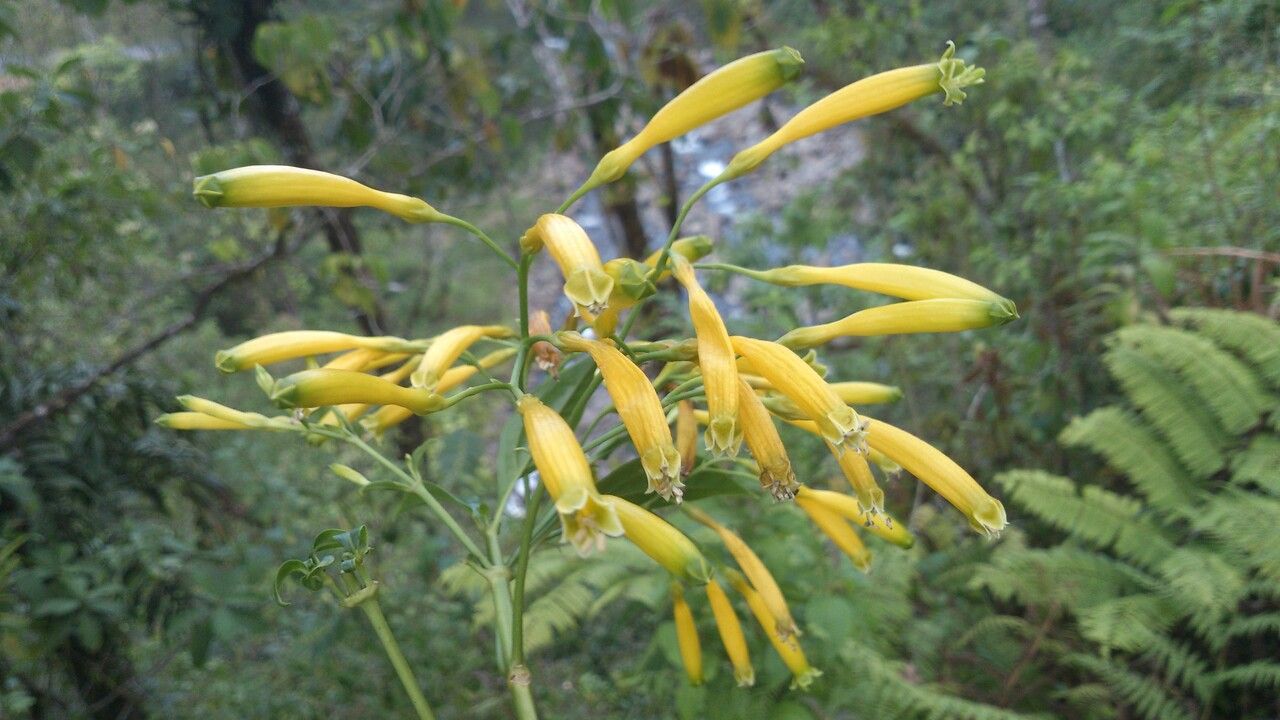
Hello, fellow plant lovers! Today, we’re diving into the wonderful world of Lisianthus skinneri, often called the Texas Bluebell. If you’re drawn to its delicate, bell-shaped blooms in vibrant shades of blue, purple, and pink, you’re in for a treat. Growing them from seed can be a bit of a journey, but propagating mature plants is a fantastic way to bring more of that garden magic into your life. It’s a rewarding process, though I’ll be honest, it’s better suited for those who’ve had a little practice with plant propagation. Beginners might find it a touch trickier, but with a little patience and these tips, you can absolutely succeed!
The Best Time to Start
For the highest chance of success, late spring to early summer is your golden window. This is when Lisianthus are actively growing and have plenty of energy to put into healing and rooting. Look for plants that are well-established and showing robust, healthy foliage.
Supplies You’ll Need
To get started on your Lisianthus propagation adventure, gather these essentials:
- Sharp, clean pruning shears or a sharp knife: essential for precise cuts.
- Rooting hormone powder or gel: a little boost can make a big difference!
- Well-draining potting mix: a good equal blend of perlite and potting soil works wonderfully. Avoid heavy garden soil.
- Small pots or seed trays: clean ones are a must to prevent disease.
- Plastic bags or a propagator lid: to create a humid environment.
- Spray bottle: for gentle misting.
- Permanent marker and labels: so you don’t forget what’s what!
Propagation Methods
Lisianthus skinneri is most successfully propagated through stem cuttings. While division is sometimes possible, cuttings tend to give a more reliable result.
Here’s how to take stem cuttings:
- Select Your Cuttings: Choose healthy, non-flowering stems from your mature Lisianthus. Look for stems that are about 4-6 inches long. Avoid anything that’s woody or has flower buds.
- Make the Cut: Using your sharp, sterile pruning shears or knife, make a clean cut just below a leaf node. A leaf node is where a leaf emerges from the stem. This is where roots are most likely to form.
- Prepare the Cutting: Gently remove the lower leaves from the cutting. You want to expose the leaf nodes along the bottom inch or so of the stem. You can leave the top few leaves on to help the cutting photosynthesize.
- Apply Rooting Hormone: Dip the cut end into your rooting hormone powder or gel. Tap off any excess. This step is optional but highly recommended for Lisianthus.
- Plant Your Cuttings: Fill your small pots or seed trays with your prepared well-draining potting mix. Make a small hole in the center with your finger or a pencil.
- Insert the Cuttings: Carefully insert the prepared cutting into the hole, ensuring the leaf nodes are below the surface of the soil. Gently firm the soil around the base of the stem.
- Water Gently: Water the potting mix thoroughly but gently. You don’t want to disturb the cuttings.
- Create Humidity: This is crucial! Cover the pots with a clear plastic bag or place them in a propagator with a lid. This will create a humid environment, preventing the cuttings from drying out before they can root. Make sure the leaves don’t touch the plastic.
The “Secret Sauce” (Pro Tips)
Now, for a couple of tricks I’ve learned over the years that really make a difference, especially with plants like Lisianthus that appreciate a bit of care:
- Bottom Heat is Your Friend: If you have a heating mat, placing your pots on it can significantly speed up rooting. Lisianthus roots love a bit of warmth from below.
- Don’t Over-Water the Cuttings: While humidity is key, soggy soil can lead to rot. The goal is moist, not waterlogged. I often check the soil by gently pressing it – if it springs back, it’s good. If your potting mix feels too wet, air out the propagator for a while.
- Patience with Your Cuttings: Lisianthus can be a little slow to show new growth. Don’t be tempted to yank them out to check for roots too early! Give them at least 4-6 weeks. You’ll know they’re rooting when you see new leaves emerging or feel a gentle resistance when you tug lightly.
Aftercare & Troubleshooting
Once you see signs of life – new leaves or growth – it’s time for a slight adjustment.
- Gradual Acclimation: Slowly reduce the humidity by opening the plastic bag or propagator a little each day. This helps the new plant get used to normal room conditions.
- Light and Water: Move your new Lisianthus to a location with bright, indirect light. Continue to water when the top inch of soil feels dry. Avoid letting it dry out completely, but also avoid waterlogging.
- Signs of Trouble: The most common problem you’ll encounter is rot. This usually shows up as a black, mushy stem at the soil line, or the cutting simply wilting and turning brown without any sign of rooting. This is almost always due to over-watering or poor drainage. If a cutting rots, sadly, it’s usually beyond saving. Just discard it and try again! Another sign of stress can be yellowing leaves, which might indicate too much direct sun or inconsistent watering.
A Encouraging Closing
See? Propagating Lisianthus skinneri might take a little patience, but the reward of seeing those first tiny leaves unfurl and knowing you grew them yourself is just incredible. Don’t get discouraged if your first attempt isn’t perfect. Gardening is all about learning and experimenting. Embrace the process, enjoy the connection with your plants, and soon you’ll have a whole collection of these gorgeous blooms to admire. Happy propagating!
Resource:
https://identify.plantnet.org/k-world-flora/species/Lisianthius%20skinneri%20(Hemsl.)%20Kuntze/data