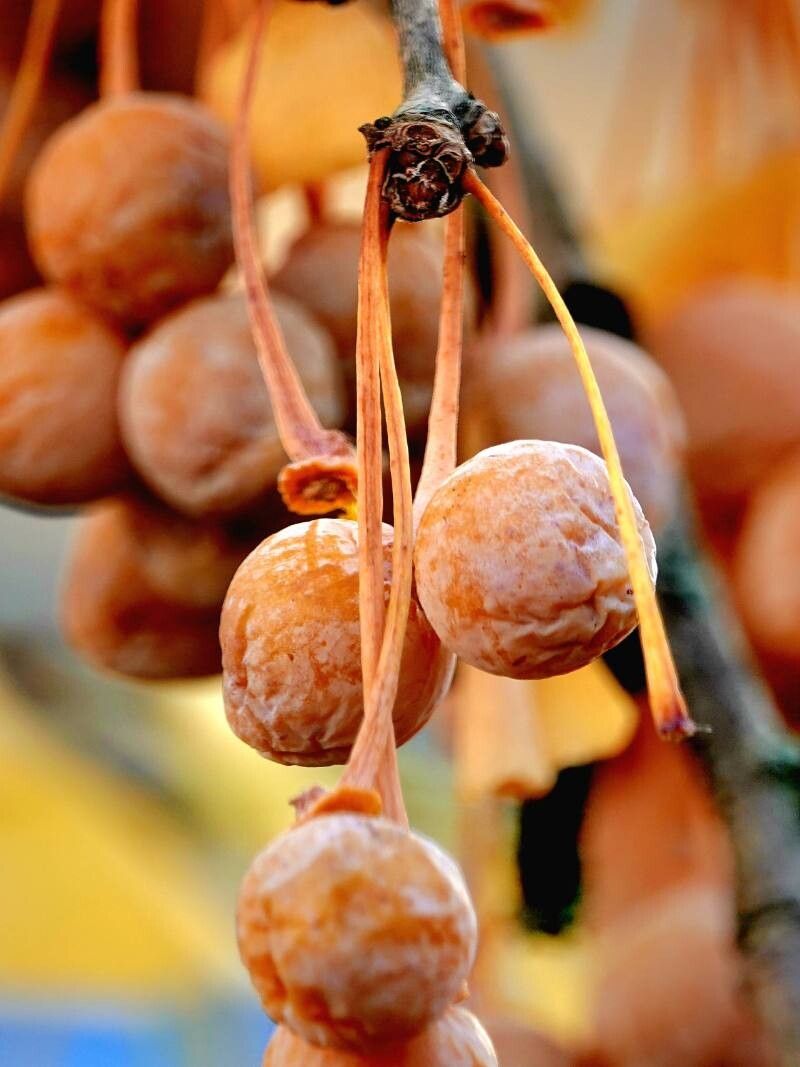
Oh, hello there! It’s so lovely to have you visit my little corner of the internet. Today, we’re diving into the fascinating world of Ginkgo biloba, a tree that truly stands the test of time. With its unique, fan-shaped leaves that put on a spectacular golden show in autumn, it’s no wonder so many of us are captivated by this ancient beauty.
I know what you’re thinking: “Can I actually grow my own Ginkgo?” The answer is a resounding yes! While Ginkgo isn’t the most effortless plant to propagate, especially from scratch, it’s a deeply rewarding endeavor. Think of it as a slow-burn project, something that yields a beautiful, living legacy. It’s certainly a challenge that keeps even seasoned gardeners on their toes, but oh SO worth it.
The Best Time to Start
When it comes to timing, late spring to early summer is your sweet spot. This is when the Ginkgo is in its active growth phase, meaning those woody stems are more pliable and primed for rooting. Look for new growth that’s beginning to firm up a bit – not the super soft, bright green tips, but not the fully hardened, mature wood either. That in-between stage is perfect.
Supplies You’ll Need
Gathering your tools is half the fun, isn’t it? Here’s what you’ll want to have on hand:
- Sharp, clean pruning shears or a sharp knife: Essential for making clean cuts, which helps prevent disease.
- Rooting hormone powder or gel: This is your secret weapon for encouraging root development.
- A well-draining potting mix: I love a 50/50 blend of perlite and peat moss. You can also buy a good quality seed-starting mix.
- Small pots or propagation trays: Make sure they have drainage holes!
- A clear plastic bag or a propagation dome: To create that humid environment new cuttings adore.
- Optional: A heat mat: This can really speed things up.
Propagation Methods
Now, let’s get our hands dirty! While Ginkgo can be grown from seed, it’s notoriously slow and can produce variable results. For a more predictable outcome, we’ll focus on stem cuttings.
Stem Cuttings: The Most Common Path
- Take Your Cuttings: Using your clean pruning shears, select healthy, one-year-old shoots from your Ginkgo. Aim for pieces about 6-8 inches long. Make your cut just below a leaf node (where a leaf attaches to the stem).
- Prepare the Cuttings: Gently remove the leaves from the bottom half of the cutting. If you have large leaves, you can cut them in half to reduce water loss.
- Dip in Rooting Hormone: Dip the cut end of the stem into your rooting hormone, tapping off any excess. This is a crucial step for encouraging robust root growth.
- Plant Your Cuttings: Fill your pots or trays with your well-draining potting mix and moisten it slightly. Make a small hole in the center of the mix, deep enough for the treated end of the cutting. Insert the cutting into the hole and gently firm the soil around it.
- Create a Humid Environment: Water the soil gently. Then, cover the pots with a clear plastic bag or a propagation dome. This traps moisture and mimics the humid conditions that cuttings need to thrive. You can secure the bag with a rubber band around the pot’s rim.
- Provide Indirect Light: Place your cuttings in a bright location that receives indirect sunlight. Direct sun will scorch those tender cuttings.
The “Secret Sauce” (Pro Tips)
Here are a few things I’ve learned over the years that can make all the difference:
- Bottom Heat is Your Friend: Ginkgo cuttings can be a bit stubborn, and sometimes they just need a little warmth to get those roots going. Placing your pots on a heat mat set to a gentle temperature (around 70-75°F) can significantly speed up the rooting process and increase your success rate.
- Don’t Let Those Leaves Drip! If you’re using a propagation dome or plastic bag, make sure the leaves of your cutting aren’t touching the condensation that forms. If they do, it can lead to rot. A quick shake of the dome or snipping a leaf or two can solve this.
- Patience is Key (Seriously): Ginkgo roots slowly. We’re talking weeks, sometimes even a couple of months, before you see significant root development. Don’t be tempted to pull them out to check too often – resist that urge!
Aftercare & Troubleshooting
Once you start to see signs of growth – new leaves unfurling or the stem feeling resistant when gently tugged (a sign of roots anchoring it) – you’re on the right track!
Caring for Your Rooted Cuttings:
- Gradual Acclimation: Slowly begin to acclimate your new plants to drier air. This means gradually increasing the amount of time the plastic bag or dome is off each day over a week or two.
- Watering: Water when the top inch of soil feels dry. Avoid overwatering, as this can lead to root rot.
- Transplanting: Once your cuttings have a good root system (you might see roots emerging from the drainage holes), you can carefully transplant them into individual pots with a slightly richer potting mix.
Common Signs of Failure:
- Wilting and Browning: This can be a sign of too much direct sun, underwatering, or disease.
- Rotting at the Base: This is the most common issue, usually caused by overwatering and poor drainage. If you see black, mushy stems at the soil line, sadly, that cutting is likely lost.
A Little Encouragement
Propagating Ginkgo might feel like a bit of a challenge, and you might have a few failures along the way. That’s perfectly normal, and it’s how we learn! Celebrate every small success, and remember that you’re nurturing a truly remarkable tree. Be patient with your little cuttings, give them the right conditions, and enjoy the rewarding journey of growing your own Ginkgo. Happy gardening!
Resource:
https://identify.plantnet.org/k-world-flora/species/Ginkgo%20biloba%20L./data