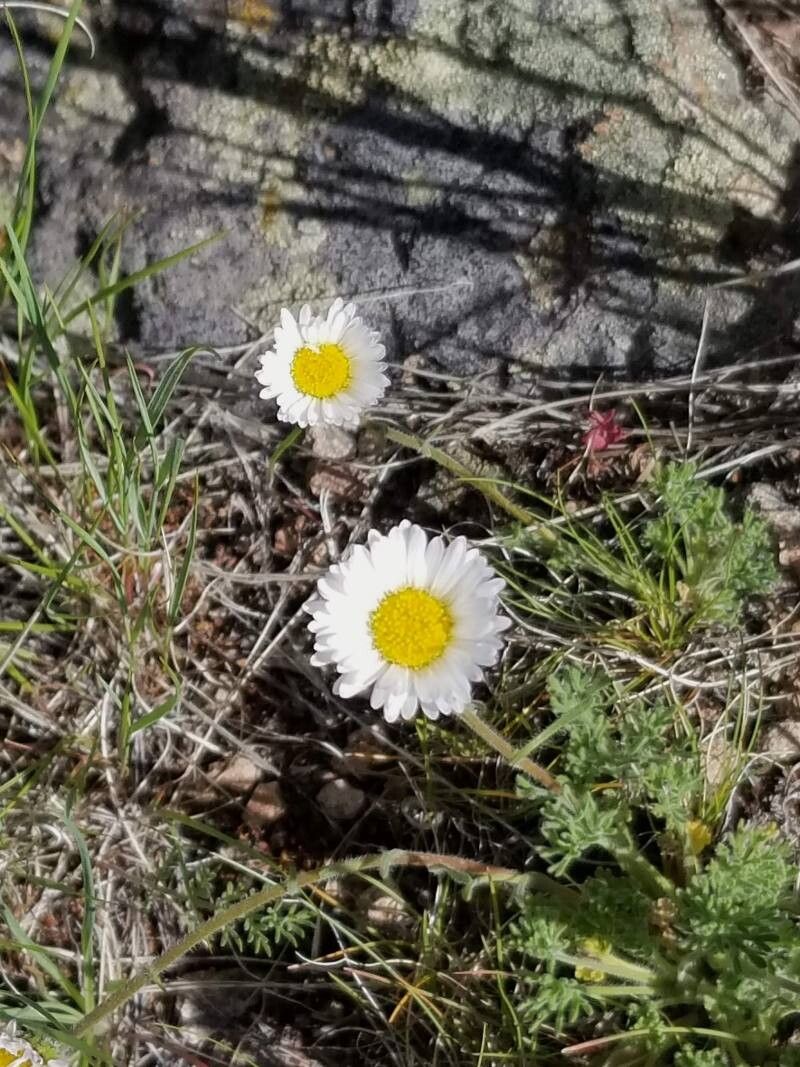
Oh, hello there! Come on in, grab a mug. Let’s chat about Erigeron compositus, or as I like to call them, tiny alpine daisies. Aren’t they just darling? With their delicate little faces peeking out from rocky crevices, they bring such a special charm to any garden. Propagating them can feel a bit like coaxing a shy woodland creature out into the open, but trust me, it’s incredibly rewarding. For those of you just dipping your toes into the propagation pool, I’d say Erigeron compositus falls into the “moderately easy” category. With a little patience and the right touch, you’ll be rewarded with a whole patch of these beauties.
The Best Time to Start
When it comes to getting new Erigeron compositus plants going, late spring to early summer is your golden window. I’ve found that when the plant is actively putting on new growth, its cuttings are most vigorous and eager to root. Harvesting those young, tender shoots right after they’ve unfurled is key. Avoid taking cuttings when the plant is older and woody, or during the intense heat of mid-summer – that’s when things can start to stress.
Supplies You’ll Need
Before we get our hands dirty, let’s make sure you have your tools ready. It’s always good to be prepared!
- A sharp, clean pruning shear or a craft knife. Cleanliness is paramount to prevent disease!
- A well-draining potting mix. I like to use a blend of about 50% peat moss or coco coir and 50% perlite or coarse sand. You could also add a bit of compost.
- A small container or propagation tray with drainage holes.
- Rooting hormone (optional, but it can give you an extra boost). I prefer the powder kind.
- A spray bottle filled with clean water.
- A plastic bag or dome to create a humid environment.
- A small trowel or dibber for making holes.
Propagation Methods
I typically find the stem cutting method to be the most reliable for Erigeron compositus. It’s straightforward and yields good results.
- Take Your Cuttings: Using your clean pruners, snip off several non-flowering stem tips, about 3-4 inches long. Look for stems that are flexible and green, not woody. Remove the lower leaves. You want a clean stem where roots can emerge.
- Prepare the Cuttings: If you’re using rooting hormone, dip the cut end of each cutting into the powder, tapping off any excess. This gives them a little encouragement to start their root journey.
- Plant Your Cuttings: Fill your small pots or tray with your prepared potting mix. Make a small hole with your dibber or finger, then gently insert the cut end of the cutting. Firm the soil gently around the base to ensure good contact.
- Water and Cover: Give your cuttings a light misting with your spray bottle. Then, cover the pots loosely with a plastic bag or place a clear dome over them. This helps maintain high humidity, which is crucial for cuttings that don’t have roots yet to absorb water from the soil.
The “Secret Sauce” (Pro Tips)
Now, for a couple of little tricks I’ve learned over the years that can really make a difference:
- Bottom Heat is Your Friend: If you can, place your propagation tray on a gentle heat mat. This warmth stimulates root development from below, which is like giving your cuttings a warm, cozy bed to grow in. Just a low setting is all you need!
- Air Circulation is Key: While humidity is essential, you don’t want stagnant air, as that can lead to fungal diseases. Periodically lift the plastic bag or dome for a few minutes each day to allow for fresh air exchange. Think of it as them taking a little breath of fresh air.
Aftercare & Troubleshooting
Once your cuttings are planted, the patient waiting game begins! Keep the soil consistently moist but not waterlogged. A little misting every few days, especially if the humidity seems to be dropping, is usually enough. Place them in bright, indirect light. Direct sun will scorch those tender new shoots.
You’ll know your cuttings have rooted when you see new leaf growth starting to appear. This can take anywhere from 3 to 6 weeks, sometimes even longer. Gently tugging on a cutting will also offer resistance if roots have formed.
The most common issue you might run into is rot. If a cutting turns black and mushy, it’s usually a sign of too much moisture and not enough air circulation. Don’t be discouraged! It happens. Just discard the rotted cutting and check your moisture levels and air circulation on the others.
A Encouraging Closing
Gardening, and especially propagation, is a journey of learning and discovery. Some attempts will be more successful than others, and that’s perfectly okay. Be patient with your Erigeron compositus cuttings, offer them consistent care, and celebrate every little bit of progress. Enjoy the process, and soon you’ll have a whole gang of these delightful little daisies to share and enjoy! Happy propagating!
Resource:
https://identify.plantnet.org/k-world-flora/species/Erigeron%20compositus%20Pursh/data