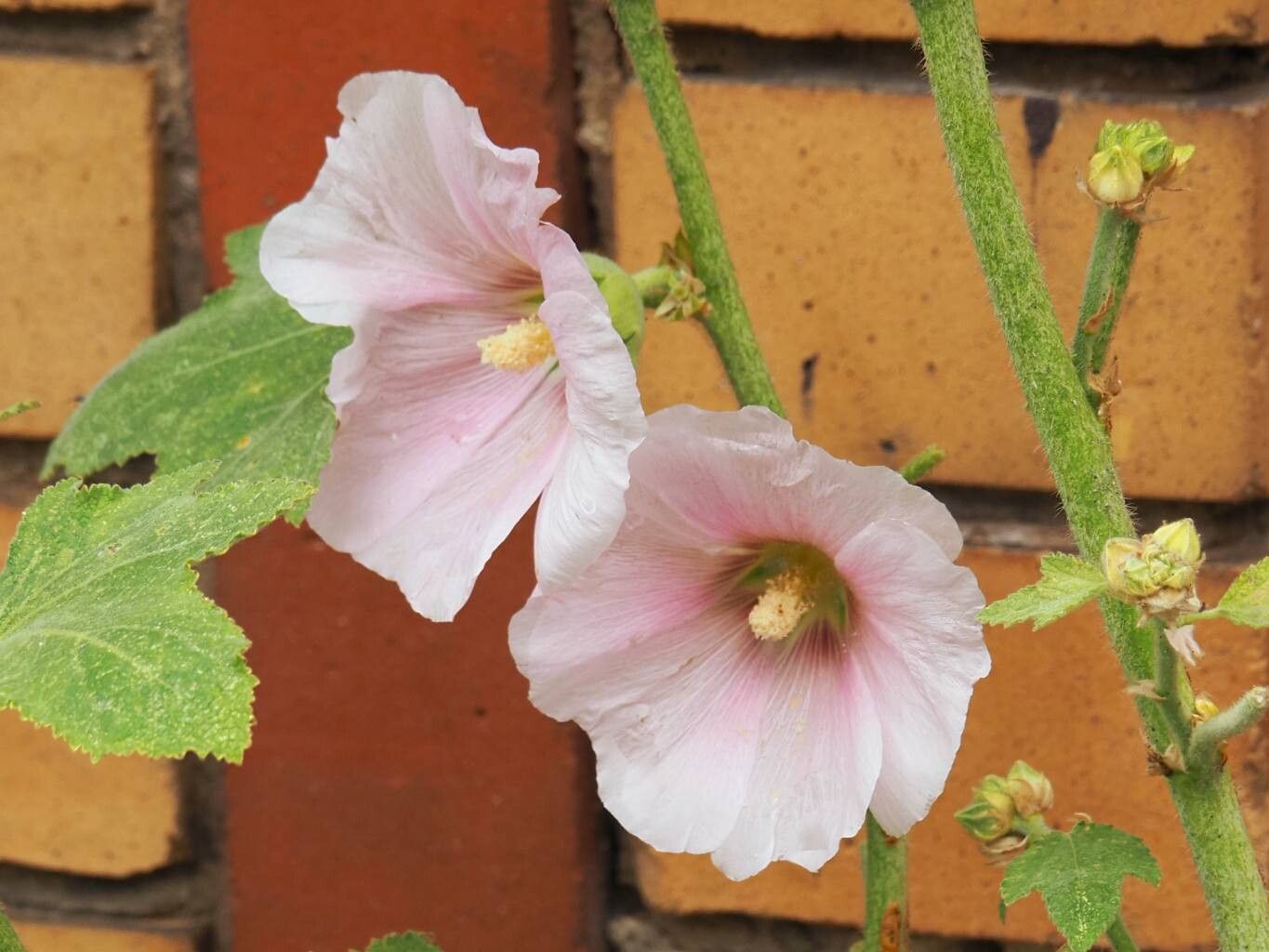
Hello there, fellow garden enthusiasts! I’ve been digging in the dirt for two decades now, and I’m absolutely delighted to chat with you today about one of my favorite blooms: Alcea setosa, often called bristly hollyhock. There’s something so wonderfully old-fashioned and heart-stirring about these tall, cheerful spires reaching for the sky. They bring such a burst of color and a touch of cottage garden romance. And honestly, propagating them? It’s a truly rewarding journey. For beginners dipping their toes into the world of plant propagation, Alcea setosa is a reasonably accessible option, which makes the success even sweeter!
The Best Time to Start
When it comes to getting new Alcea setosa plants going, timing is everything. I find the absolute sweet spot is late spring or early summer. This is when the plant is actively growing, fresh energy is coursing through its stems, and the days are getting longer and warmer. You can also have some success with seeds sown in early spring, but for cuttings, summer is truly your friend.
Supplies You’ll Need
Before we dive in, let’s make sure you’ve got your toolbox ready. Here’s what I always have on hand:
- Sharp Pruning Shears or a Craft Knife: A clean cut is vital.
- Small Pots: Around 4-inch pots work perfectly.
- Well-Draining Potting Mix: I like a blend of peat moss, perlite, and a bit of compost. About a 2:1:1 ratio is a good start.
- Rooting Hormone (Optional but Recommended): This gives your cuttings a helpful boost.
- Plastic Bags or a Small Greenhouse: To create that humid environment new cuttings crave.
- Watering Can or Spray Bottle: For gentle watering.
- Labels: So you remember what you planted where!
Propagation Methods
There are a couple of ways to get more bristly hollyhocks, but my go-to for ease and reliability is stem cuttings.
Stem Cuttings:
- Take Your Cuttings: With your clean shears, snip off a healthy stem tip that’s about 4-6 inches long. Look for younger, non-flowering growth. You want to make the cut just below a leaf node (where a leaf attaches to the stem).
- Prepare the Cutting: Gently remove the lower leaves, leaving just a couple of leaves at the very top. This helps the plant focus its energy on rooting. If your leaves are large, you can even cut them in half horizontally to reduce water loss.
- Apply Rooting Hormone (If Using): Dip the cut end of the stem into your rooting hormone powder or liquid. Tap off any excess.
- Plant Your Cuttings: Fill your small pots with your prepared, moistened potting mix. Make a small hole in the center with your finger or a pencil. Insert the cut end of the stem into the hole, ensuring it’s snug. Gently firm the soil around the base.
- Create a Humid Environment: Water the soil lightly. Then, cover the pot with a clear plastic bag, making sure the bag doesn’t touch the leaves. You can secure it with a rubber band around the rim of the pot. This creates a mini-greenhouse effect. Place these in a bright spot, but out of direct, scorching sun.
The “Secret Sauce” (Pro Tips)
Here’s a little something extra from my years of experience that often makes a big difference:
- Bottom Heat: If you’re really serious about speedy rooting, especially if it’s a bit cooler, place your pots on a gentle heating mat. This encourages root development from below, and it’s a game-changer for many plant types.
- Don’t Overcrowd: Give your cuttings space! If you’re taking multiple cuttings in one pot, ensure they have room to breathe and that the leaves of one cutting don’t touch the leaves of another. This helps prevent fungal issues.
- Air It Out: Even with the plastic bag, it’s a good idea to “burp” your cuttings daily for a few minutes. Just lift the bag to allow for some air circulation. This is crucial for preventing rot.
Aftercare & Troubleshooting
Once your cuttings have been planted, patience is your greatest virtue! Keep the soil consistently moist but not waterlogged. You should start seeing new leaf growth within 3-6 weeks, which is a good sign that roots are forming.
If you notice leaves turning yellow and dropping, don’t panic immediately. It could be shock. However, if the stem turns mushy and black, that’s a sign of rot, and unfortunately, that cutting is likely lost. This usually happens from too much moisture and not enough airflow.
When you see a good amount of new growth, it’s time to carefully check for roots. Gently tug on the cutting; if there’s resistance, you have roots! You can then gradually acclimate your new plants to normal humidity by opening the plastic bag a little more each day before removing it entirely. Once they are well-established, you can transplant them into their own individual pots.
A Encouraging Closing
It’s such a joy to watch a new plant emerge from a simple cutting. Remember, not every attempt will be a roaring success, and that’s perfectly okay. Nature has her own schedule! Just keep experimenting, keep learning, and most importantly, enjoy the process of nurturing these beautiful Alcea setosa into being. Happy gardening!
Resource:
https://identify.plantnet.org/k-world-flora/species/Alcea%20setosa%20(Boiss.)%20Alef./data