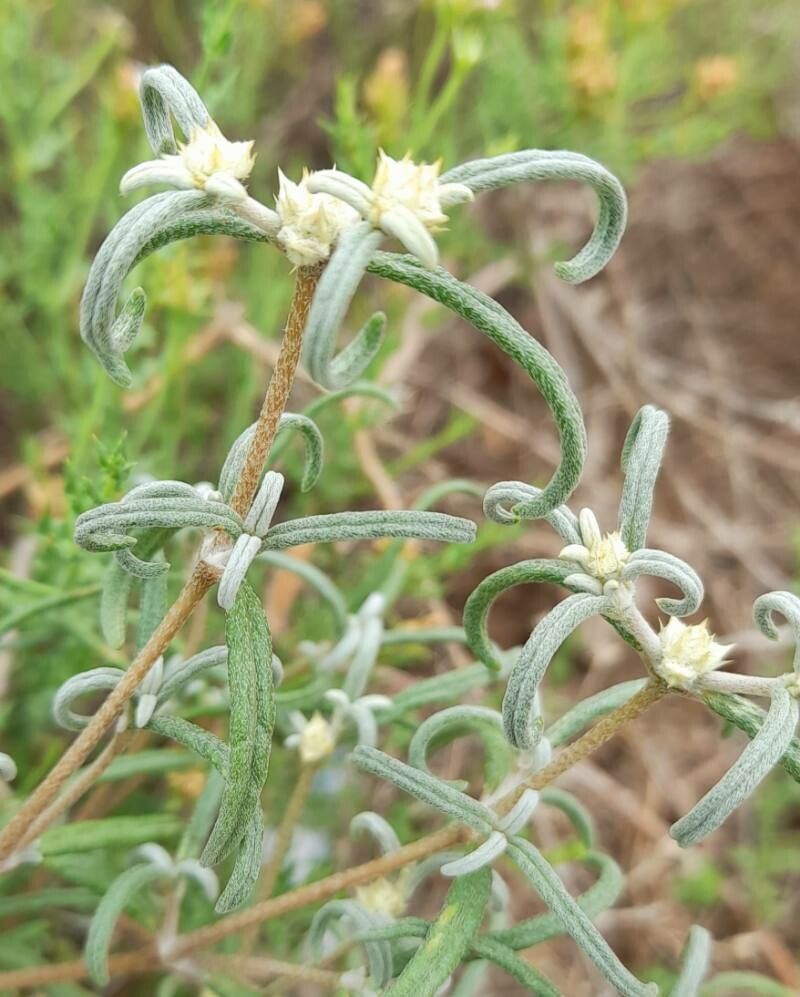
Hey there, fellow plant lovers! Today, we’re diving into the wonderful world of Alternanthera nodifera, also known as joyweed or dwarf joyweed. If you haven’t met this little charmer yet, imagine a plant bursting with vibrant colors – often fiery reds, oranges, or deep purples – that adds such a dazzling pop to any garden bed or container. It’s a fantastic annual that brings so much life, and I find propagating it to be incredibly rewarding. For beginners? I’d say it’s quite forgiving, making it a great project to start with!
When’s the Best Time to Get Started?
The sweet spot for propagating Alternanthera nodifera is generally in late spring or early summer. This is when the plant is actively growing and has plenty of energy to put into developing new roots. You’re looking for healthy, vigorous stems that aren’t flowering excessively. Think of it as catching the plant at its peak!
Gathering Your Arsenal: What You’ll Need
To set yourself up for success, here’s what I recommend having on hand:
- Sharp Pruning Shears or Scissors: Clean, sharp tools are crucial for making clean cuts that heal well.
- Small Pots or Seed Starting Trays: Something around 3-4 inches deep works beautifully.
- Well-Draining Potting Mix: A good seed starting mix or a combination of potting soil and perlite is ideal. We want to avoid waterlogged roots!
- Rooting Hormone (Optional but Recommended): This is like an extra boost for those cuttings.
- Plastic Bag or Dome: To create a mini-greenhouse environment.
- Watering Can with a Fine Rose: For gentle watering.
- Small, Sharp Knife or Blade: For potentially trimming off lower leaves.
Let’s Get Propagating! Stem Cuttings
This is my favorite and most reliable method for Alternanthera nodifera.
- Select Your Cuttings: Look for healthy, non-flowering stems. You want to take cuttings that are about 4-6 inches long. Using your sharp shears, make a clean cut just below a leaf node (where a leaf attaches to the stem).
- Prepare the Cuttings: Gently strip off the lower leaves from the bottom half of the cutting. You want to expose the leaf nodes, as this is where the roots will emerge. If the leaves are very large, you can even cut them in half to reduce water loss.
- Apply Rooting Hormone (if using): Dip the cut end of the stem into your rooting hormone, tapping off any excess powder.
- Plant Your Cuttings: Fill your small pots or trays with your prepared potting mix. Make a small hole in the center of the soil with your finger or a pencil. Insert the prepared cuttings into the holes, ensuring at least one or two leaf nodes are buried in the soil. Gently firm the soil around the base of the cuttings.
- Water Gently: Water the soil thoroughly but gently, so you don’t dislodge the cuttings.
- Create a Humid Environment: Cover the pots with a clear plastic bag, making sure it doesn’t touch the leaves (to prevent rot!), or use a propagation dome. This traps humidity, which is key for cuttings to root. Place the pots in a bright location, but out of direct, intense sunlight.
My “Secret Sauce” Tips for Extra Success
After years of trying different things, I’ve picked up a couple of tricks that really make a difference:
- Bottom Heat is Your Friend: If you have a heated propagation mat, placing your pots on it can significantly speed up root development. It mimics the warmth of summer soil wonderfully.
- Don’t Overcrowd: Give your cuttings a bit of space. Packing them too tightly can lead to air circulation issues and increase the risk of fungal diseases.
- Mist, Mist, Mist (but let it dry slightly): While a humid environment is important, I’ve found that it’s best to mist the leaves lightly every day or two, but let the soil surface dry out slightly between waterings. This helps prevent damping off, a common problem with new cuttings.
Aftercare and What to Watch For
Once your cuttings have been potted up, keep that plastic bag or dome on. Check them regularly. You’ll know they’re rooting when you see new leaf growth forming at the top. This usually takes about 3-6 weeks, depending on the conditions.
Once roots have formed and you see new growth, it’s time to acclimate them to the outside air. Gradually remove the plastic bag or dome over a few days, starting with an hour or two each day. Continue to water them when the topsoil feels dry.
If you notice your cuttings becoming limp and yellowing, or if you see fuzzy white mold on the soil or stems, it’s likely rot. This is usually a sign of too much moisture and not enough air circulation. In this case, sadly, you might have to discard those affected cuttings and try again, perhaps using slightly drier soil or improving air circulation.
Go Forth and Grow!
Propagating Alternanthera nodifera is a truly satisfying experience. It’s a fantastic way to get more of those beautiful plants you love for free! Be patient with the process. Each cutting is a little experiment, and even if some don’t make it, the ones that do will bring you so much joy. Happy propagating!
Resource:
https://identify.plantnet.org/k-world-flora/species/Alternanthera%20nodifera%20(Moq.)%20Griseb./data