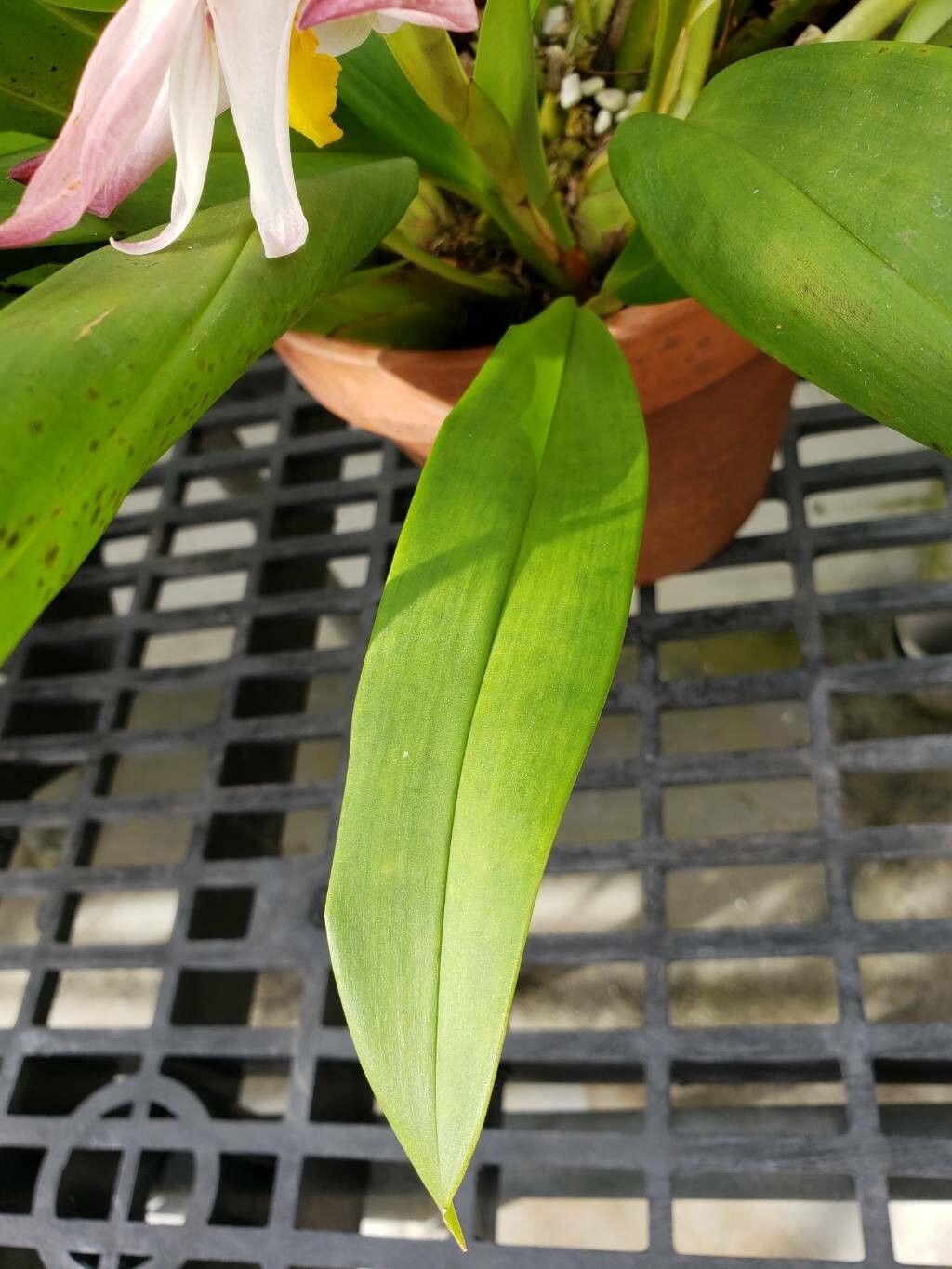
Hello there, fellow plant lovers! It’s so lovely to have you join me today. If you’ve had the pleasure of encountering a Maxillaria molitor, I’m sure you understand the allure. These beauties often boast charming, delicate blooms that bring a whisper of the tropics right into our homes. And let me tell you, coaxing a new life from an existing plant? There’s a special kind of magic in that. Propagating these fascinating orchids might sound a bit daunting at first, but trust me, with a little know-how and patience, you’ll find it incredibly rewarding.
The Best Time to Start
For Maxillaria molitor, the sweet spot for propagation is generally in the spring, as new growth begins to emerge. You’ll often see those little pseudobulbs starting to swell and unfurl new leaves. This is when the plant has the most energy stored up and is ready to put it towards creating new life. Trying to propagate when the plant is dormant or stressed just won’t yield the best results, and who wants to waste precious energy?
Supplies You’ll Need
Gathering your tools before you begin makes the whole process smoother, I’ve found. Here’s what I usually have on hand:
- Sharp, sterile pruning shears or a clean knife: For making clean cuts. Sterilize with rubbing alcohol or a bleach solution.
- Orchid potting mix: A well-draining blend is crucial. I often use a mix of bark chips, perlite, and sphagnum moss.
- Small pots or trays: Whatever you’ll be potting your divisions into. Make sure they have drainage holes!
- Rooting hormone (optional but helpful): A powder or liquid that can encourage root development.
- Watering can or spray bottle: For gentle watering.
- A label and marker: To keep track of what you’ve propagated and when.
Propagation Methods
The most effective way to propagate Maxillaria molitor is through division. This is essentially separating your established plant into smaller, viable sections.
- Gently remove the plant from its pot. If it’s been in the same pot for a while, the roots might be quite entangled. You might need to carefully loosen the pot edge or even gently break the old pot if it’s plastic and very stubborn.
- Clean off excess potting medium. You want to be able to see the rhizomes (the creeping stems that connect the pseudobulbs) and where natural divisions occur. You can do this by rinsing gently with water.
- Identify potential divisions. Look for sections of the plant that have at least two or three pseudobulbs and some healthy-looking roots. The rhizome connecting these sections is your guide.
- Make the cut. Using your sterilized pruning shears or knife, carefully cut through the rhizome to separate the divisions. Try to make a clean cut. Don’t be afraid to be decisive, but do be gentle with the existing roots.
- Prepare the new divisions. If a division has a lot of old, tattered leaves, you can trim those away to reduce stress on the new plant. Make sure any cut surfaces have a chance to dry for a few hours to callus over. This helps prevent rot.
- Pot them up! Plant each division in its own pot with your fresh orchid mix. Bury the roots gently and ensure the base of the pseudobulbs is just at or slightly above the surface of the mix.
The “Secret Sauce” (Pro Tips)
Here are a couple of things I’ve learned over the years that make a difference:
- When you’re potting your new divisions, don’t pack the potting mix too tightly. Orchids need air circulation around their roots. Think of it like giving them space to breathe.
- If you’re concerned about rot or want to give your new divisions an extra boost, I’ve found that a light dusting of cinnamon on any cut surfaces before potting can act as a natural fungicide. It’s an old trick that works wonders!
Aftercare & Troubleshooting
Once your Maxillaria molitor divisions are potted, give them a gentle watering. Keep them in a spot with bright, indirect light and high humidity. Avoid direct sunlight, which can scorch those delicate new leaves. They’ll appreciate consistent, but not soggy, moisture. Water thoroughly when the potting mix starts to feel dry to the touch.
The biggest challenge you might face is rot. If you see a pseudobulb turning mushy and dark, it’s a sign of too much moisture and poor air circulation. If this happens, try to remove the affected part, let it dry, and ensure your watering habits are a bit more on the drier side. Patience is key here; it can take several months for new roots to become well-established.
A Word of Encouragement
Propagating orchids is a journey, and not every attempt will be perfectly successful right out of the gate. But each time you try, you’re learning and growing. Don’t get discouraged if you have a setback. Celebrate the victories, be patient with the process, and most importantly, enjoy the wonderful experience of nurturing new life. Happy growing!
Resource:
https://identify.plantnet.org/k-world-flora/species/Maxillaria%20molitor%20Rchb.f./data