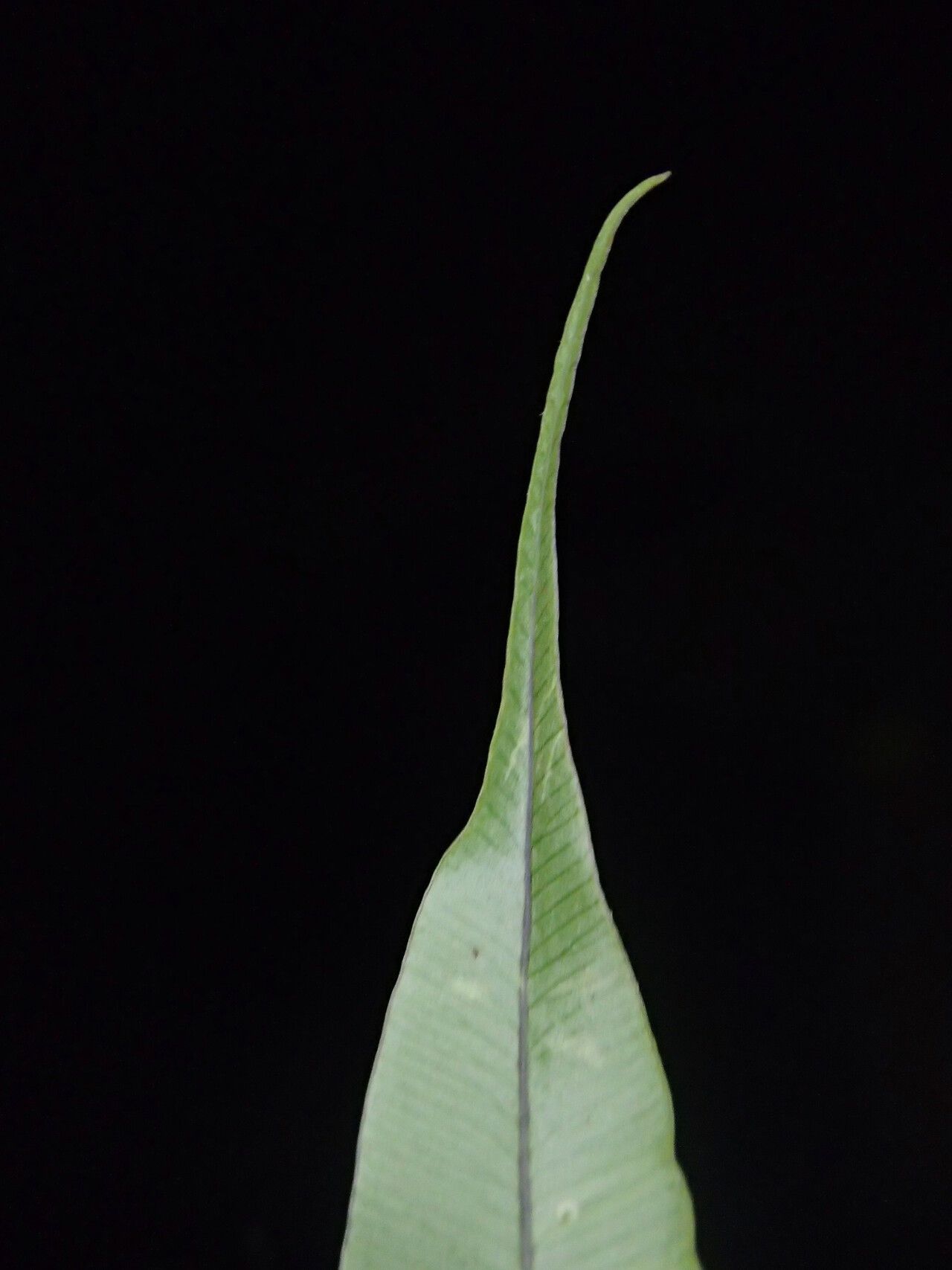
Hello, fellow plant lovers! Today, we’re diving into the wonderful world of propagating Oleandra distenta, also known as the Asian Staggerbush. If you’ve ever admired the lush, delicate foliage of this fern and wished you could have more of it gracing your home, you’re in luck! Propagating this beauty is a truly rewarding experience, and while it might seem a tad intimidating at first, I promise, with a little guidance, you’ll be well on your way to a whole new collection. For beginners, it’s a moderately easy plant to propagate, so don’t let that deter you!
The Best Time to Start
When it comes to getting the most bang for your buck with propagation, spring is absolutely your golden ticket. This is when your Oleandra distenta is likely at its peak growth phase, brimming with energy. New shoots are emerging, and the plant is ready to put out those new roots. Aim for when the plant is actively growing, not stressed or dormant.
Supplies You’ll Need
To get your propagation party started, here’s a handy list of what you’ll need:
- Sharp Pruning Shears or a Clean Knife: For making those crucial cuts. Sterilize them before you begin!
- Well-Draining Potting Mix: A good blend for ferns usually includes peat moss, perlite, and a bit of orchid bark.
- Small Pots or Seedling Trays: Clean ones, of course!
- Rooting Hormone (Optional but Recommended): Especially for stem cuttings, this can give your new plant a helpful boost. Look for one formulated for herbaceous plants.
- Spray Bottle: For keeping things moist.
- Clear Plastic Bag or Dome: To create a humid environment.
- Watering Can or Gentle Stream Source: For watering.
Propagation Methods
Oleandra distenta is generally easy to propagate through division and stem cuttings. Let’s break them down:
1. Division – The Most Straightforward Approach
This is my favorite method for Oleandra distenta because it’s so forgiving. You’re essentially splitting larger, established plants into smaller ones.
- Gently Remove from Pot: Carefully take your Oleandra distenta out of its current container. You might need to tap the sides or gently loosen the soil around the edges.
- Identify Natural Divisions: Look for areas where the rhizomes (those thick, creeping stems) have naturally branched or where distinct crowns (where the fronds emerge) are clustered together.
- Separate Carefully: Using your fingers or a clean trowel, carefully tease apart the sections. If they are very dense, you might need to use a very sharp, clean knife to cut through tougher rhizomes, but try to avoid this if possible to minimize stress. Each division should have healthy rhizome and some visible roots.
- Pot Up Your New Plants: Pot each division into its own small pot filled with your well-draining potting mix. Make sure the rhizome is just at or slightly below the soil surface.
- Water Gently: Water thoroughly until water drains from the bottom, then allow the excess to drain away.
2. Stem Cuttings – For When You Want to Expand Quickly
This method involves taking a piece of the actively growing stem, often called a rhizome cutting.
- Select Healthy Rhizome: Look for a healthy, vigorous section of the rhizome that has a few small leaf buds or emerging fronds. It should be at least a few inches long.
- Make a Clean Cut: Using your sterilized shears or knife, make a clean cut. You want a section that has at least one or two leaf buds and a bit of length to it.
- Prepare the Cutting: You can optionally dip the cut end into rooting hormone. Gently remove any very old or yellowing fronds, but keep the healthy ones.
- Plant the Cutting: Press the cut end of the rhizome gently into your prepared potting mix. Ensure the buds are pointing upwards.
- Create a Humid Environment: Water lightly, then place the pot inside a clear plastic bag or cover it with a dome. This traps humidity, which is crucial for rooting.
The “Secret Sauce” (Pro Tips)
Here are a few little tricks I’ve learned over the years that can really make a difference:
- Rhizome Hug: When planting stem cuttings, don’t bury the entire rhizome. Just press the cut end into the soil, leaving the top part exposed so it doesn’t rot. Think of it as the rhizome “hugging” the soil for support.
- Bottom Heat is Your Friend: For stem cuttings especially, placing your pots on a gentle heated propagation mat can significantly speed up root formation. It mimics the cozy, warm earth that encourages growth. Keep the temperature around 70-75°F (21-24°C).
- Don’t Over-Water, Ever: This is probably the most common pitfall. Ferns like moisture, yes, but not soggy feet! Ensure your potting mix is slightly damp, not waterlogged. Overwatering is the fastest route to rot, and nobody wants that.
Aftercare & Troubleshooting
Once you’ve potted up your divisions or cuttings, keep them in a bright, indirect light location. Avoid direct sun, which can scorch delicate new growth.
- Watering: Water when the top inch of soil feels dry to the touch. Continue to keep them in that humid environment for the first few weeks.
- Signs of Progress: You’ll know you’re successful when you start to see new fronds unfurling! This can take anywhere from a few weeks to a couple of months, so patience is key.
- Troubleshooting: The most common issue is rot. If you see mushy, black stems or rhizomes, it’s almost always due to overwatering. If this happens, try to salvage any firm parts, reduce watering immediately, and improve air circulation. Wilting can also occur, either from lack of water (check the soil!) or from the shock of being transplanted.
A Little Encouragement
There you have it! Propagating Oleandra distenta is a journey that’s as enjoyable as it is rewarding. Don’t be discouraged if your first attempt isn’t picture-perfect. Every plant is a learning opportunity. Be patient with your new babies, give them a little love, and soon you’ll be surrounded by their beautiful, feathery fronds. Happy propagating!
Resource:
https://identify.plantnet.org/k-world-flora/species/Oleandra%20distenta%20Kunze/data