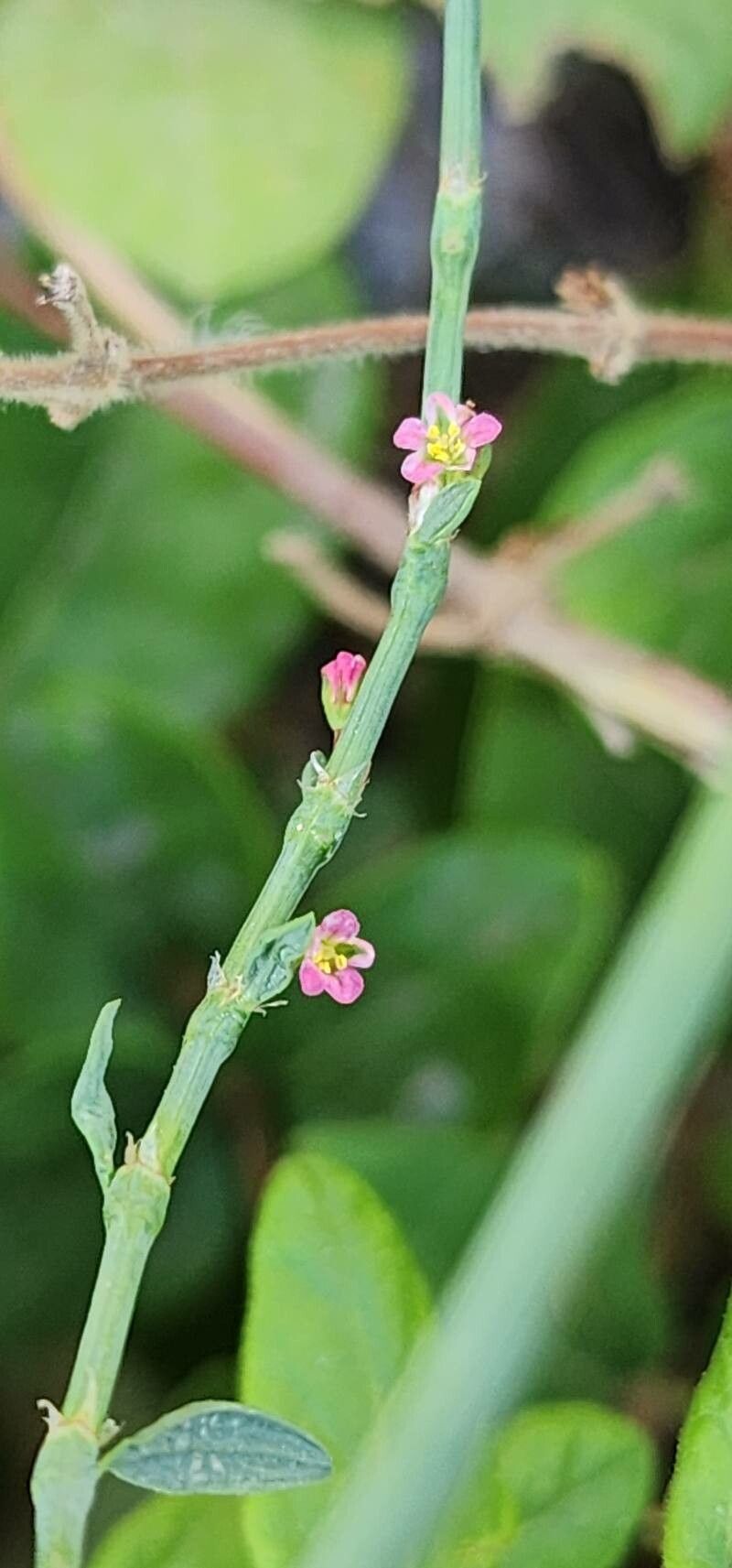
Hello fellow garden lovers! It’s so good to have you here. Today, I want to talk about a plant that has really captured my heart over the years: Polygonum iranicum. Its delicate, often vibrantly colored foliage and charming habit make it a real showstopper. Plus, there’s something incredibly fulfilling about nurturing a new life from a tiny piece of the mother plant. If you’re curious about giving propagation a go, you’ll be happy to hear that Polygonum iranicum is quite forgiving, even for those just dipping their toes into the world of plant multiplication.
The Best Time to Start
For Polygonum iranicum, the sweet spot for propagation is generally late spring to mid-summer. This is when the plant is actively growing and has plenty of energy to put into developing new roots. You’ll want to look for stems that are firm but not woody – think of them as young, energetic shoots rather than old, tired branches.
Supplies You’ll Need
Gathering your tools before you start makes the whole process much smoother. Here’s what I usually have on hand:
- Sharp pruning shears or a clean knife: For making nice, clean cuts.
- Potting mix: A well-draining mix is crucial. I often use a blend of equal parts potting soil, perlite, and peat moss.
- Small pots or trays: Clean containers are essential to prevent disease.
- Rooting hormone (optional but recommended): This can give your cuttings a helpful boost.
- Watering can or mister: For gentle watering.
- Plastic bag or propagation dome: To create a humid environment.
Propagation Methods
Let’s get our hands dirty! Here are the methods I find most successful for Polygonum iranicum:
Stem Cuttings
This is my go-to method, and I find it yields excellent results.
- Take your cuttings: Using your sharp shears, take 4-6 inch cuttings from healthy, non-flowering stems. Make your cut just below a leaf node (where a leaf attaches to the stem).
- Prepare the cuttings: Gently remove the lower leaves, leaving just a couple at the very top. If your cuttings are particularly long, you can cut them in half.
- Apply rooting hormone (optional): Dip the bottom inch of each cutting into your rooting hormone powder, tapping off any excess.
- Plant your cuttings: Make small holes in your prepared potting mix with a pencil or your finger. Insert the cuttings, ensuring the leaf nodes that were removed are below the soil line. Gently firm the soil around them.
- Water gently: Water thoroughly but be careful not to dislodge the cuttings.
- Create humidity: Cover the pots or tray with a plastic bag or a propagation dome. This traps moisture and helps the cuttings root. Make sure the leaves don’t touch the plastic.
Division
If your Polygonum iranicum has gotten a bit large and bushy, division is a fantastic way to get multiple new plants.
- Gently unpot: Carefully remove the entire plant from its pot.
- Inspect the root ball: Look for natural divisions where the plant can be pulled apart. You might see distinct sections with their own roots.
- Separate the sections: Gently pull the root ball apart with your hands. If it’s a bit stubborn, you can use a clean knife to help. Each section should have several stems and a good amount of roots.
- Pot up: Replant each division into its own pot with fresh, well-draining soil. Water well.
The “Secret Sauce” (Pro Tips)
Here are a couple of things I’ve learned over the years that can often make the difference:
- Don’t let the leaves touch the water: Whether you’re doing water propagation (which I tend to avoid for Polygonum iranicum as it’s more prone to rot) or have your cuttings in soil, it’s crucial that the leaves aren’t sitting in excess moisture. This can encourage fungal diseases and rot. For stem cuttings in soil, if the humidity is very high and condensation is forming on the plastic, open the bag for a few minutes each day to allow for air circulation.
- Bottom heat is your friend: If you’re propagating in a cooler environment or during a slightly less ideal time, placing your pots on a gentle heating mat can significantly speed up root development. It mimics the warmth of spring soil and gives those roots a real push.
Aftercare & Troubleshooting
Once you start to see new growth on your cuttings, that’s a good sign that roots are forming!
- Acclimatize: Slowly begin to remove the plastic bag or dome over a few days. This allows the new plant to adjust to lower humidity.
- Gradually increase light: Move your new plants to a spot with bright, indirect light. Avoid direct sun initially.
- Water as needed: Keep the soil consistently moist but not waterlogged.
- Watch for rot: The most common issue is stem rot, which looks like a mushy, dark base. This usually happens due to overwatering, poor drainage, or lack of air circulation. If you spot it, unfortunately, that cutting can’t be saved. Remove it immediately to prevent it from spreading. Yellowing leaves can sometimes indicate too much water or not enough light.
A Encouraging Closing
Propagating Polygonum iranicum is a journey, and like all gardening endeavors, it’s about patience and observation. Don’t be discouraged if every single cutting doesn’t make it – that’s part of the learning curve! Embrace the process, celebrate the successes, and enjoy the little victories. Happy growing!
Resource:
https://identify.plantnet.org/k-world-flora/species/Polygonum%20iranicum%20Mozaff./data