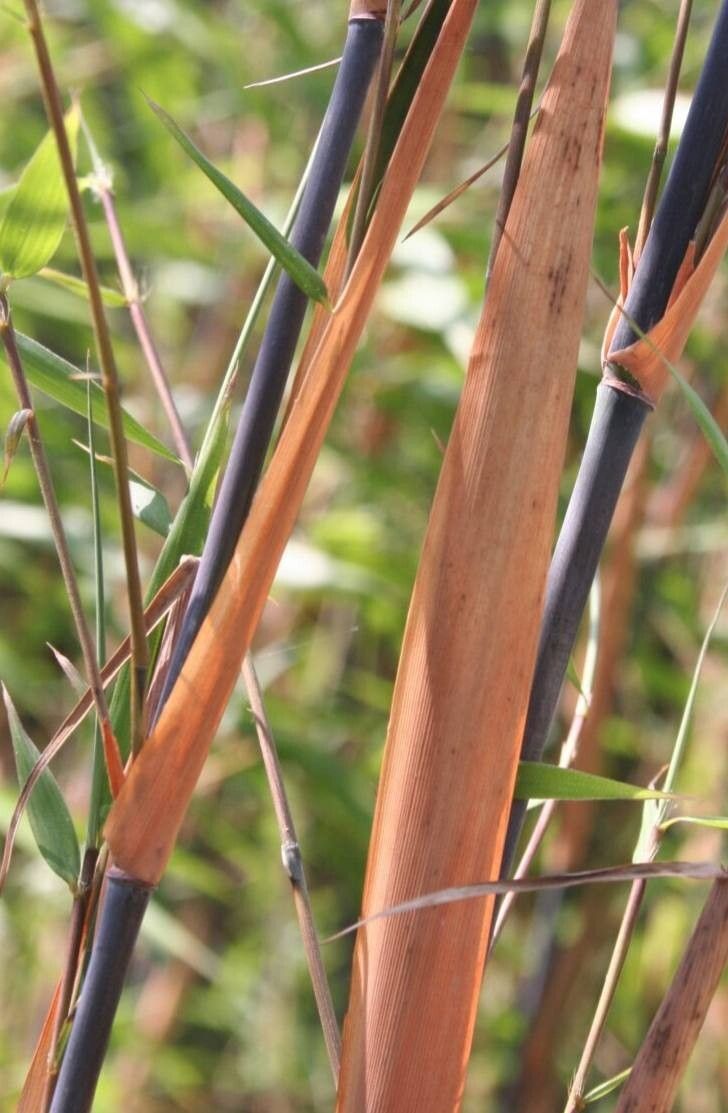
Hello fellow garden enthusiasts! Today, I want to gush about a plant that’s stolen a little piece of my heart: Fargesia scabrida, or as many of us affectionately call it, the Asian walking stick bamboo. It’s not one of those thugs that spreads aggressively; instead, it forms beautiful, upright clumps with those wonderfully textured, scabrid (that’s a fancy word for rough!) leaves. Growing your own bamboo is incredibly satisfying, and propagating Fargesia scabrida is well within reach for most gardeners. Don’t be intimidated; while it takes a little patience, it’s not a fussy plant to get started with. Sharing this beauty with friends or simply expanding your own collection is such a rewarding part of gardening.
The Best Time to Start
My favorite time to begin propagating Fargesia scabrida is late spring or early summer. This is when the plant is in its most vigorous growth phase. The new shoots, called culms, are actively pushing upwards, and there’s plenty of energy flowing through the plant, making it more receptive to rooting. You’re looking for culms that are actively growing but aren’t yet woody.
Supplies You’ll Need
Before we get our hands dirty, let’s gather our tools:
- Sharp, sterile pruning shears or a sharp knife: Crucial for clean cuts that prevent disease.
- A rooting hormone powder or gel: While not strictly essential for division, it can give cuttings a helpful boost.
- Pots or trays: With drainage holes, of course! Small nursery pots are perfect for cuttings.
- A good quality, well-draining potting mix: I like a blend of peat moss, perlite, and a little bit of compost for cuttings. For division, the native soil or your regular garden soil is fine.
- A spray bottle: For misting your cuttings.
- A plastic bag or propagation dome: To create a humid environment.
- Labels (optional but recommended): To keep track of what you’ve planted.
Propagation Methods
There are two main ways I like to propagate Fargesia scabrida: division and stem cuttings.
Division: The Easiest Route
This is my go-to method, especially for established clumps.
- Dig it up: In late spring, when the soil is moist, carefully dig around the perimeter of your Fargesia scabrida clump. You want to lift the entire plant. Try to disturb the roots as little as possible.
- Tease apart: Gently shake off excess soil. Now, the fun part! Using your hands, a spade, or even two sturdy forks back-to-back inserted into the center of the clump, gently pry the clump apart. You’re looking for sections that have healthy roots and at least a few shoots or canes. Don’t worry if you can’t get perfectly neat sections; a bit of rough and tumble is okay for bamboo.
- Replant: Immediately replant your choicest divisions into their new homes. Water them thoroughly.
Stem Cuttings: For the Adventurous
This method takes a bit more finesse, but it’s rewarding to see that tiny shoot transform.
- Select your culms: Choose healthy, semi-hardwood culms that are about 6-12 inches long. These will be the current season’s growth, but they should have lost their bright green, herbaceous look and have a slightly woody feel. Remove any leaves from the bottom half of the cutting.
- Take your cut: Make a clean cut just below a node (where a leaf emerges). This is where roots are most likely to form. You can take multiple cuttings from a single culm.
- Dip and plant: Dip the cut end into your rooting hormone. Gently tap off any excess. Then, insert the cutting into your prepared potting mix. Make sure at least one node is buried beneath the soil.
- Mist and cover: Generously mist the cuttings and the soil. Then, cover the pot with a plastic bag or propagation dome to create a humid microclimate.
The “Secret Sauce” (Pro Tips)
Here are a few things I’ve learned over the years that really help give your propagation efforts a boost:
- Don’t drown your cuttings: When water propagating (which I generally avoid for Fargesia scabrida as it can lead to rot), make sure no leaves are submerged in the water. Only the cut stem should be in contact with the water. But for stem cuttings in soil, focus on consistent moisture – not sogginess.
- Warmth is key for cuttings: If you’re doing stem cuttings, bottom heat can make a huge difference. A gentle heat mat placed underneath your pots will encourage root development. It doesn’t need to be scorching, just a consistent, gentle warmth.
- Patience is a virtue for division: When dividing, sometimes the pieces look a little sad initially. Don’t give up! As long as you have healthy roots and some green shoots, they’ll perk up with good watering and a bit of time.
Aftercare & Troubleshooting
Once your new Fargesia scabrida has rooted (you might see new shoot growth or feel some resistance when gently tugging on a cutting), it’s time to transition them.
- For divisions: Keep them well-watered, especially during their first growing season. Protect them from harsh sun and wind until they are established.
- For cuttings: Gradually acclimate them to the outside air over a week or two by opening the plastic bag or dome a little each day. Once they’re used to ambient humidity, you can pot them into larger containers.
The most common problem I see is rot, especially with cuttings that are kept too wet. If your cuttings start to turn black and mushy, it’s usually a sign of overwatering and insufficient air circulation. For divisions, if they don’t seem to be growing after a few weeks, double-check their watering – they might be too dry or sitting in soggy soil.
Happy Gardening!
So there you have it! Propagating Fargesia scabrida is a journey, and like all good gardening endeavors, it requires a little patience and a lot of love. Don’t be discouraged if your first attempt isn’t perfect. Each plant you propagate is a little victory, a testament to your green thumb and your growing connection with nature. Go ahead, give it a try, and enjoy the beauty of multiplying your bamboo!
Resource:
https://identify.plantnet.org/k-world-flora/species/Fargesia%20scabrida%20T.P.Yi/data