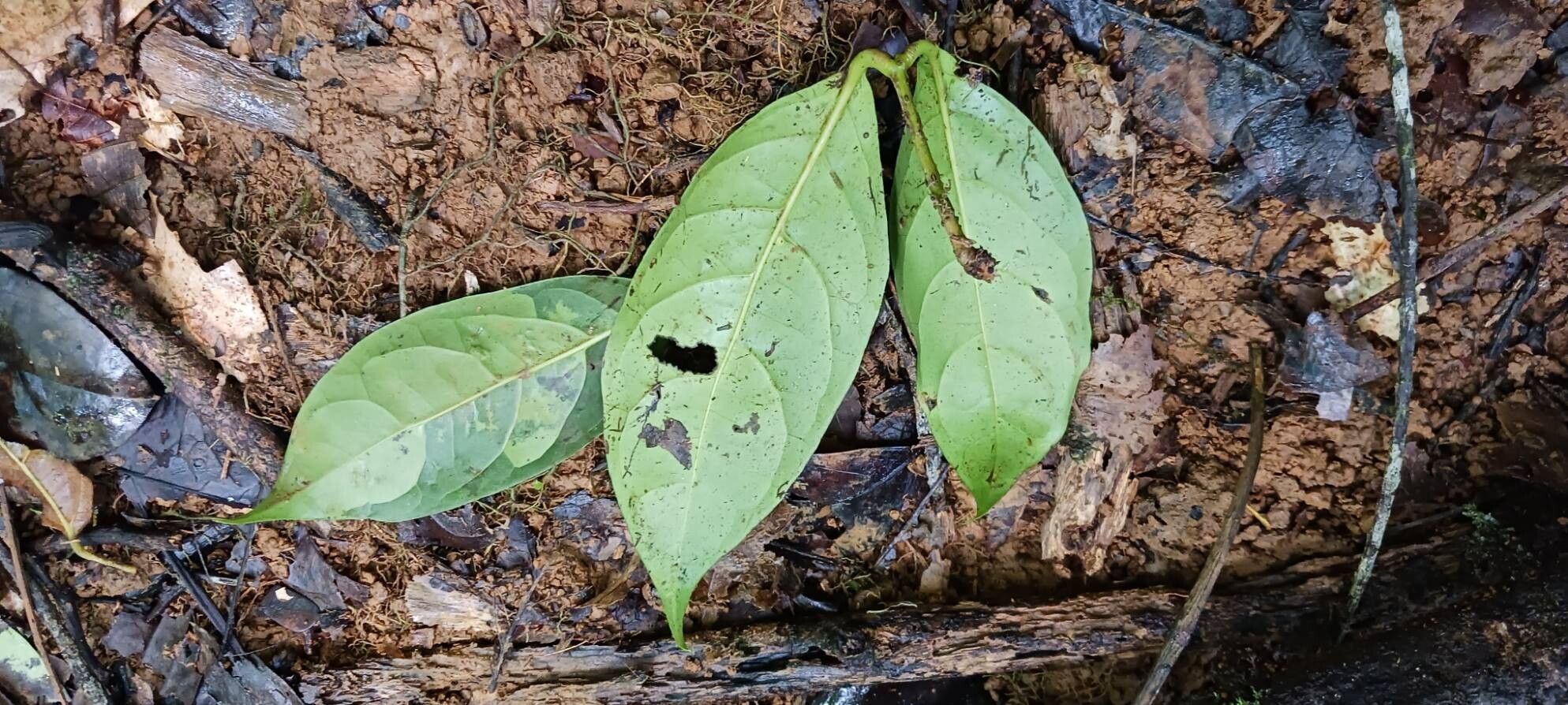
Hello, fellow garden enthusiasts! Today, we’re diving into the wonderful world of propagating Neea floribunda. If you’ve ever marveled at this plant’s delicate, bell-shaped flowers and lush foliage, you’re in for a treat. Sharing the joy of a plant you’ve grown from scratch is one of gardening’s greatest pleasures, and Neea floribunda is a lovely candidate to try.
For beginners, I’d say Neea floribunda falls into the “moderately easy” category. It’s not a fuss-pot by any means, but it does appreciate a little attention to detail. With a few key steps, you’ll be well on your way to a whole new collection!
The Best Time to Start
When it comes to propagating Neea floribunda, spring and early summer are your golden windows. This is when the plant is actively growing and has plenty of energy reserves. Look for stems that are semi-hardwood – they’ve finished their initial flush of vigorous new growth but aren’t yet woody and old. You’re aiming for that perfect “bendability” – firm, but not brittle.
Supplies You’ll Need
Gathering your tools before you begin makes the whole process smoother. Here’s what I recommend having on hand:
- Sharp, clean pruning shears or a sterile knife/razor blade: For making clean cuts.
- Rooting hormone (optional, but recommended): A powder or gel to encourage root development.
- Well-draining potting mix: I like a blend of perlite, peat moss, and a little bit of coarse sand. You can also find pre-made succulent or cactus mixes.
- Small pots or propagation trays: With drainage holes, of course!
- Clear plastic bags or a propagation dome: To create a humid environment.
- Watering can or spray bottle: For gentle watering.
- Labels and a marker: To keep track of what you’ve planted and when.
Propagation Methods
Let’s get our hands dirty! The most reliable method for Neea floribunda is stem cuttings.
- Select your stem: Choose a healthy, non-flowering stem preferably about 4-6 inches long.
- Make the cut: Using your clean shears or knife, make a cut just below a leaf node (where a leaf attaches to the stem). This is where new roots are most likely to form.
- Prepare the cutting: Gently remove the lower leaves, leaving just 2-3 leaves at the top. If the remaining leaves are very large, you can even cut them in half to reduce water loss.
- Apply rooting hormone (optional): Dip the cut end into your rooting hormone powder or gel, tapping off any excess.
- Pot it up: Fill your small pots with your well-draining mix. Make a pilot hole with a pencil or your finger, and gently insert the cutting, ensuring the nodes where you removed the leaves are buried. Firm the soil gently around the stem.
- Water gently: Water thoroughly until you see water drain from the bottom.
The “Secret Sauce” (Pro Tips)
Here are a few tricks I’ve picked up over the years that really seem to make a difference:
- My absolute favorite tip is to use bottom heat. Placing your pots or trays on a seedling heat mat (set to a gentle warmth, not scorching) can significantly speed up root formation. It mimics the warmth of spring soil and really gives those roots a nudge.
- When you cover your cuttings with a plastic bag or dome, make sure the leaves don’t touch the plastic. Condensation forming on the leaves can lead to fungal issues and rot. You can use stakes or clip the bag to tent it upwards.
- I also swear by using distilled or rainwater for your propagation. Tap water can sometimes contain minerals that are harmful to sensitive new roots.
Aftercare & Troubleshooting
Once your cuttings are potted and covered, patience is key!
- Placement: Keep them in a bright spot, but out of direct sunlight. Too much sun will scorch those delicate leaves.
- Humidity: Check the humidity daily. If the plastic bag isn’t showing condensation, lightly mist the soil and leaves. Avoid overwatering. A consistently soggy environment is the fastest way to invite rot.
- Rooting: You’ll know your cutting has rooted when you feel a slight resistance when you gently tug on it. This can take anywhere from 4 to 8 weeks, or even longer. You might also see new leaf growth.
If you notice your cutting becoming slimy, turning black, or falling over completely, it’s likely succumbing to rot. This is often due to too much moisture and poor air circulation. Unfortunately, rotted cuttings can’t be saved, but don’t get discouraged! Learn from it and try again, perhaps with slightly less watering or better ventilation.
A Little Encouragement
Propagating plants is a beautiful dance with nature. Some tries will be more successful than others, and that’s perfectly okay. The real magic is in the attempt, the learning, and the anticipation of nurturing a new life from a tiny piece of your beloved plant. So, grab your shears, get your hands in the soil, and enjoy the rewarding journey of growing your own Neea floribunda. Happy propagating!
Resource:
https://identify.plantnet.org/k-world-flora/species/Neea%20floribunda%20Poepp.%20&%20Endl./data