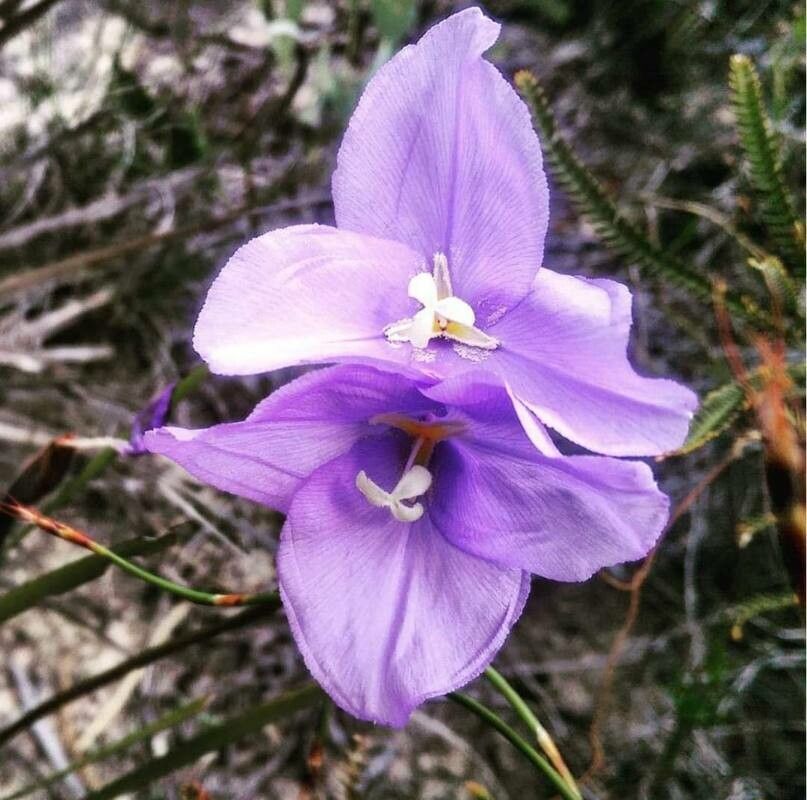
Oh, the beauty of Patersonia occidentalis! Those delightful purple blooms, like little splashes of royalty gracing our gardens. I’ve spent many happy hours admiring them, and let me tell you, there’s a special kind of joy in growing your own from scratch. It’s a process that connects you directly to the life cycle of these wonderful plants. For those of you just starting out, I’d say propagating Patersonia occidentalis is moderately easy. It requires a little attention to detail, but it’s far from impossible, and the rewards are truly worth it!
The Best Time to Start
When it comes to getting the most bang for your buck with propagation, I find that the late spring and early summer are absolutely prime time for Patersonia occidentalis. The plant is usually in a strong growth phase then, which means it’s more vigorous and better equipped to handle the stresses of being divided or having cuttings taken. You’re essentially working with a plant that’s already feeling full of life and ready to reproduce.
Supplies You’ll Need
Gathering your tools beforehand makes the whole process much smoother. Here’s what I usually have on hand:
- Sharp pruning shears or a clean knife: For making clean cuts.
- Well-draining potting mix: A mix of coir, perlite, and a bit of compost works wonders. You can also buy specific succulent or cactus mixes.
- Small pots or punnets: Clean ones, please!
- Rooting hormone powder (optional but recommended): This can give your cuttings a helpful boost.
- A watering can or spray bottle: For gentle watering.
- Labels and a marker: To keep track of what you’ve planted and when.
- A shallow tray or saucers: For holding pots and catching excess water.
Propagation Methods
For Patersonia occidentalis, I’ve found that the most successful method is division. It’s like giving your established plant a little haircut and creating new babies at the same time!
Method: Division
- Prepare your plant: First, if your Patersonia occidentalis is in a pot, gently slide it out of its container. This is easier if the soil is slightly moist, not bone dry or soaking wet. If it’s in the ground, carefully dig around the root ball.
- Inspect the root system: Gently shake off excess soil so you can see the rhizomes (those thick, woody underground stems) clearly. You’re looking for sections of the plant that have their own distinct roots and shoots.
- Make the cuts: Using your sharp pruning shears or knife, carefully divide the plant into smaller sections. Each section should have at least one or two shoots and a decent amount of healthy roots. Don’t be afraid to be firm with the cut, but try to be precise.
- Pot up your divisions: Fill your clean pots with your well-draining potting mix. Make a little hole in the center and place each division in its own pot, spreading out the roots a bit. Backfill with the soil, pressing down gently to remove air pockets. The top of the rhizome should be just at or slightly below the soil surface.
- Water gently: Give your newly potted divisions a light watering. You want the soil to be moist but not soggy.
The “Secret Sauce” (Pro Tips)
Here are a few little tricks I’ve learned over the years that can make a big difference:
- Don’t overcrowd: When dividing, resist the urge to make the pieces too small. Larger divisions with more established root systems have a significantly better chance of survival. Think of it as giving them a better head start.
- Let divisions breathe (briefly): After you’ve divided the plant and made your cuts, I sometimes let the divisions sit out for a day or two in a shady, dry spot. This allows any cut surfaces to callus over, which can help prevent rot before they’re replanted.
- Bottom heat is your friend: If you have the option, placing your pots on a heated propagator mat can really speed up root development. It mimics the warmth of spring and encourages those roots to get moving.
Aftercare & Troubleshooting
Once your Patersonia occidentalis divisions are in their new homes, keep an eye on them.
- Watering: Water consistently but avoid waterlogging. Let the top inch of soil dry out slightly between waterings. In very hot weather, you might need to water more frequently, but always check the soil moisture first.
- Light: Place them in a spot with bright, indirect light. Direct, harsh sun can scorch their young leaves.
- Signs of success: You’ll know they’re happy when you see new leaf growth appearing. This could take a few weeks to a couple of months.
- Troubleshooting: The most common issue is rot, often due to overwatering or poor drainage. If you notice your division becoming mushy or discolored, it’s usually a sign of rot. You might be able to salvage a healthy part if you catch it early, but often it’s unfortunately a loss. Ensure your soil drains well and you’re not keeping the soil constantly wet.
A Encouraging Closing
So there you have it! Propagating Patersonia occidentalis is a beautiful way to expand your collection and share the joy of these plants with others. Be patient with your new babies, give them a little TLC, and don’t be discouraged if not every attempt is a roaring success. Gardening is always a learning journey, and each experience, good or bad, teaches you something valuable. Happy propagating!
Resource:
https://identify.plantnet.org/k-world-flora/species/Patersonia%20occidentalis%20R.Br./data